
Last updated October 15, 2026
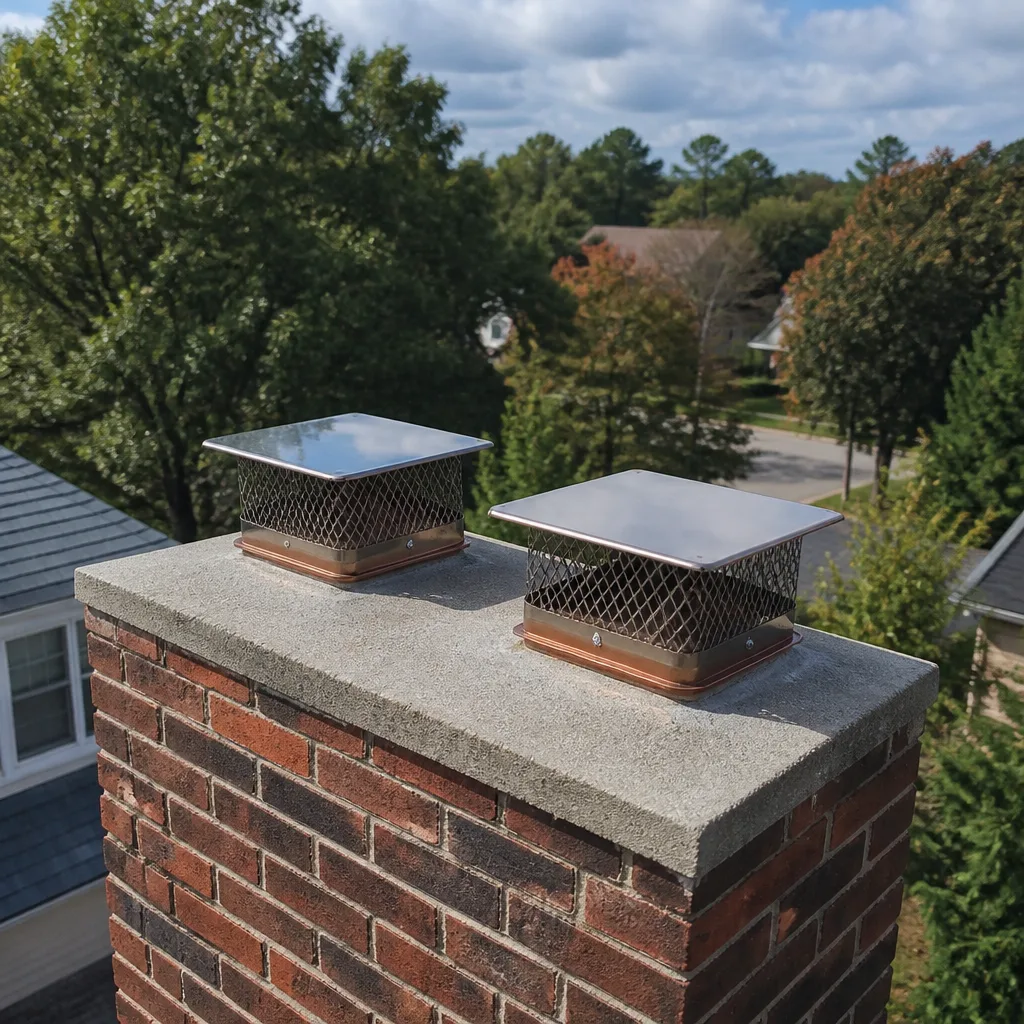 Sweep & inspection
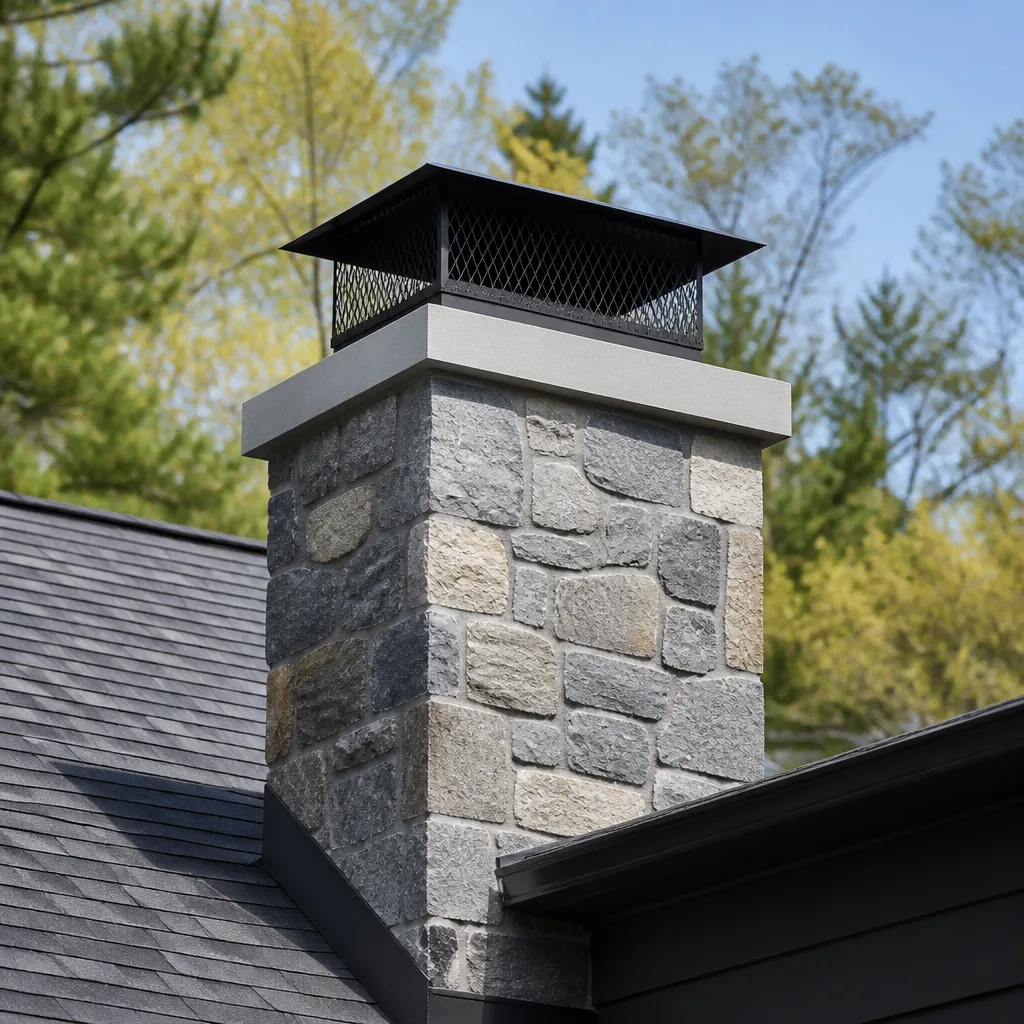 Caps & crowns
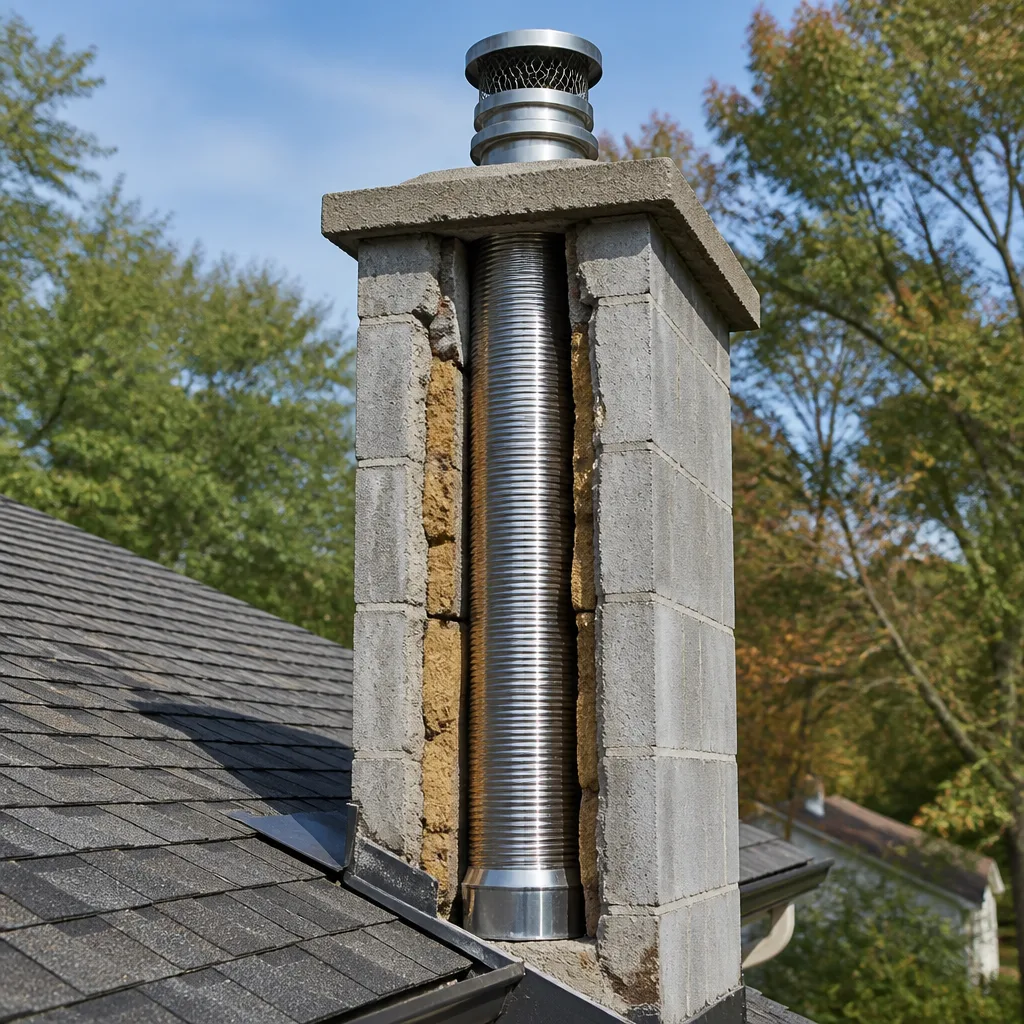 Flue relining
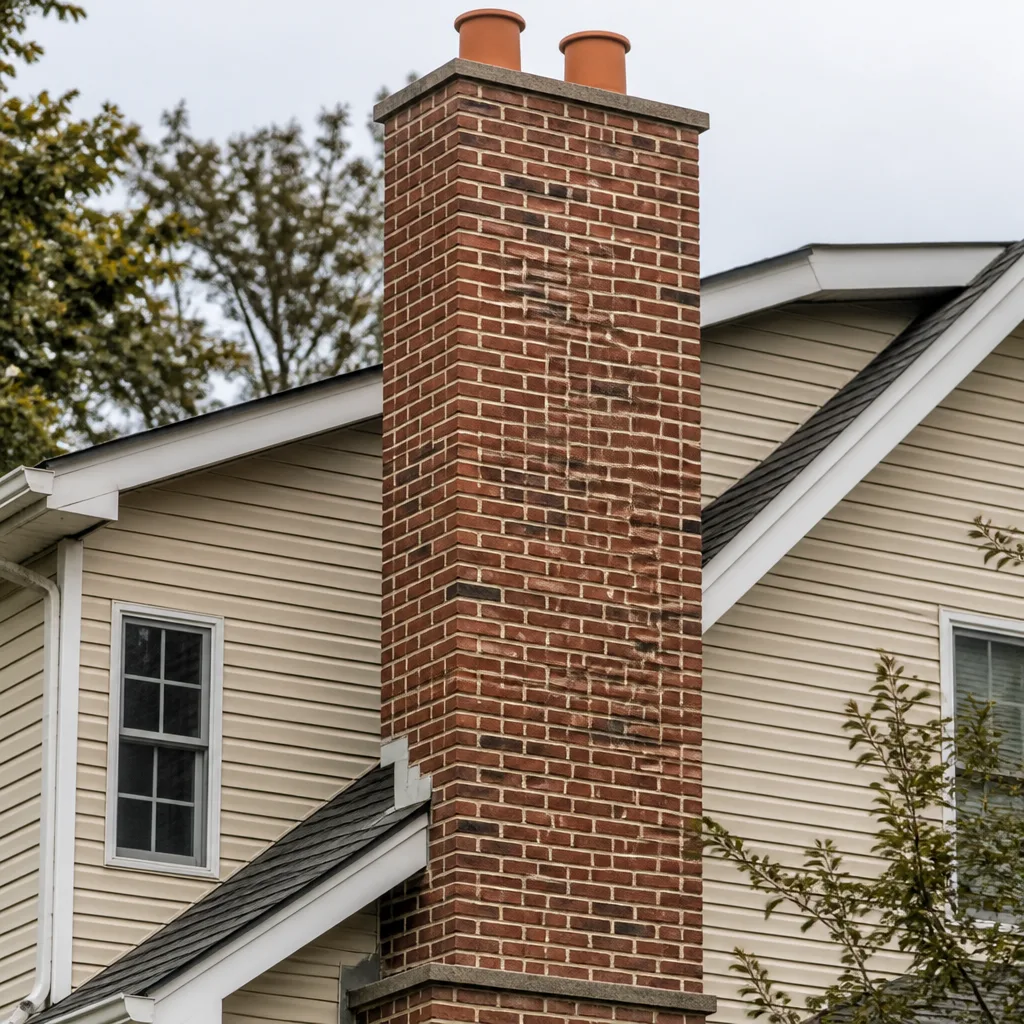 Masonry repair
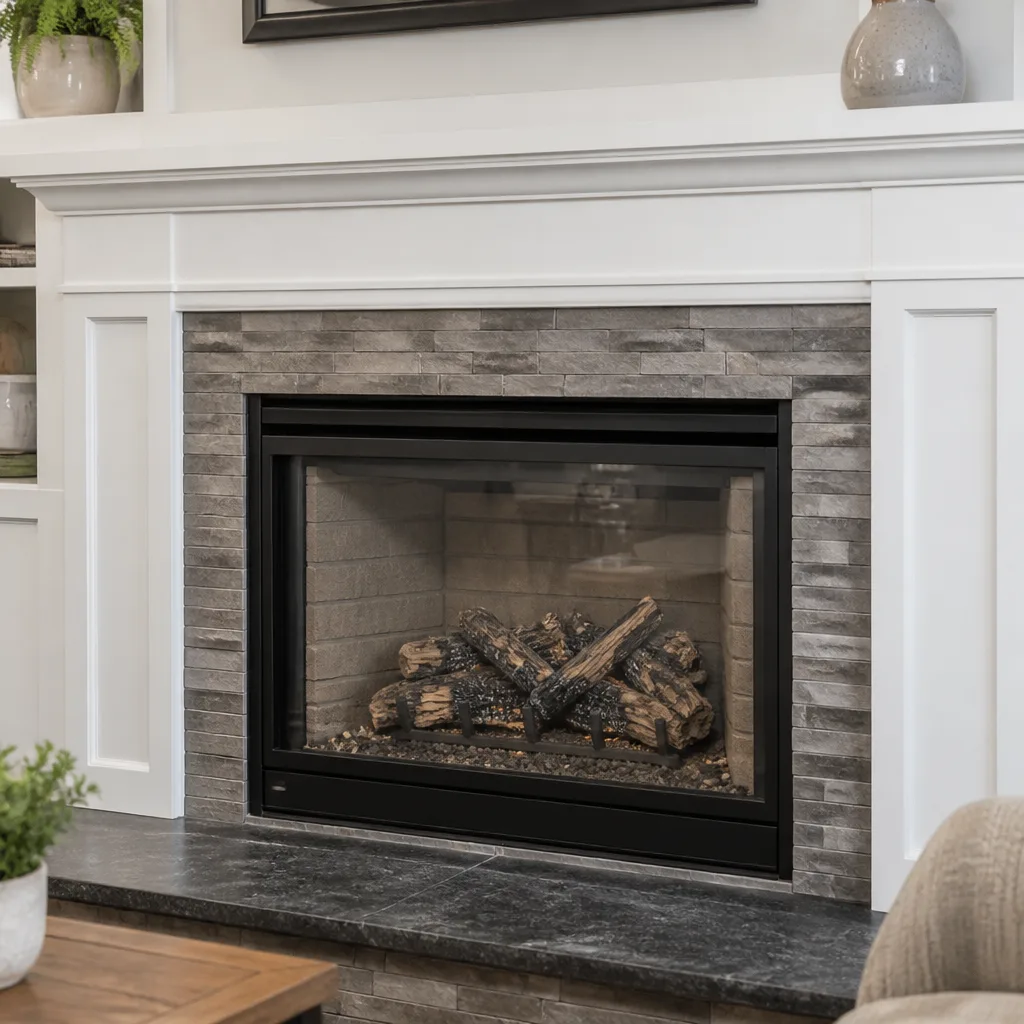 Gas fireplace service
Level 1 sweep and inspection to the NFPA 211 annual standard - flue, crown, cap, and flashing checked and photographed
Chimney sweep logs do not sweep chimneys. They loosen some creosote - which then falls where a brush and vacuum still have to collect it.
DIY vs Professional Chimney Cleaning: The Pasadena Homeowner’s Decision Guide
You can buy the same brush kit a professional uses for $60 on Amazon. What you can’t buy is the camera that shows whether the liner cracked after last winter’s cold snap, which is the reason the brush kit alone is only half the job. This guide walks through the real line between what a careful Pasadena homeowner can do with a brush and a Saturday afternoon, and what genuinely needs a trained technician with inspection equipment, or see our How to Hire a Chimney Cleaning Contractor in Pasadena: A Step-by-Step Guide if you’re ready to call a pro. We’ll price out both paths honestly, name the specific conditions where DIY brushing is defensible, and tell you plainly when it isn’t.
Styles & brands we work with
Quick Answer
DIY chimney cleaning is reasonable for a narrow scenario: a fireplace used fewer than 10 times in the past year, with first-degree creosote only, a straight single-flue liner, and no visible mortar damage. If any of those four conditions fails, hire a professional who can run a camera through the flue before and after. In Pasadena, a professional sweep with inspection typically runs $189 to $349, and that price includes the one thing a $60 brush kit never will: documented evidence of the liner’s actual condition.
Table of Contents
- What DIY Chimney Cleaning Can Actually Do
- What DIY Cannot Assess: The Four Specific Gaps
- The True Cost of DIY When Equipment Is Factored In
- How Much Does a Professional Chimney Sweep Cost in Pasadena?
- Creosote Explained: First, Second, and Third Degree
- How Pasadena’s Climate Affects Chimney Buildup
- The California Insurance Angle: What a DIY Sweep Can Complicate
- The Decision Tree: Four Questions That Route Your Choice
- Common Mistakes to Avoid
- When to Call a Professional
- Frequently Asked Questions
- The Bottom Line
What DIY Chimney Cleaning Can Actually Do
A chimney brush removes loose creosote and soot from the flue walls. That’s the entire scope of what the tool was designed to do, and when the conditions are right, it does that job fine. The conditions are specific, and we’ll name them precisely, because the honest answer to “can I do it myself” is “sometimes, and here’s exactly when.”
In our experience with Pasadena homes, the DIY-appropriate chimney looks like this: a single-flue masonry or factory-built chimney, straight vertical run without offset elbows, fireplace used fewer than 10 times since the last cleaning, and only first-degree creosote present. First-degree creosote is the flaky, sooty deposit that brushes off as powder. You can identify it by touch: it crumbles easily and doesn’t coat the flue in a shiny, tar-like glaze.
The mechanical process of a DIY sweep is straightforward. You attach a wire brush to flexible fiberglass rods, extend them down the flue from the roofline (or up from the firebox for bottom-up kits), and scrub in short pushes and pulls. Then you vacuum the fallen debris from the firebox with a HEPA-rated vacuum. Done correctly, you’ve removed the combustible material that causes chimney fires.
What a brush does not do: it does not remove second or third-degree creosote, it does not reveal cracks in the clay tile liner, it does not tell you whether your damper is sealing, and it does not explain why the creosote accumulated faster than expected. Those are inspection findings, not cleaning findings, and they’re where Pasadena homeowners get into trouble.
What DIY Cannot Assess: The Four Specific Gaps
Every DIY chimney cleaning ends at the same wall: you’ve scrubbed what you can reach, and now you’re guessing about what you can’t see. A professional chimney sweep in Pasadena brings a borescope camera that documents the flue from the firebox to the chimney cap. Here are the four specific things that camera reveals and a brush never will.
1. Liner condition behind the smoke shelf. The smoke shelf is the flat ledge just above the firebox opening, designed to deflect downdrafts and collect soot. The flue section directly above it runs hot and is a common site of cracked clay tile liners. A crack there allows heat and combustion gases to reach the surrounding masonry, and later, the house framing. No brush touches it. You need a camera.
2. Damper seal integrity under load. A damper that doesn’t close tightly costs you heating and cooling money year-round in Pasadena, where summer air conditioning loses pull through a leaky flue. More importantly, a damper that has warped from years of heat no longer controls the draft properly when you light a fire. Checking it means looking at the seat from the firebox with a light and feeler gauge.
3. Cap flashing condition at the roofline. The metal flashing that seals the chimney where it meets the roof is the first place water intrusion starts in Pasadena’s winter rains. A rusted flashing or lifted cap lets moisture drip down the masonry, which accelerates liner deterioration and can lead to staining on interior ceilings. You have to inspect it from the roof, not the ground.
4. Second-story roof access. Many Pasadena neighborhoods, from the Craftsman homes of Bungalow Heaven to the larger properties in San Rafael Hills, have chimneys that exit at steep pitches or above second stories. Getting to the cap safely requires proper fall protection, roof ladders with ridge hooks, and experience reading shingle conditions. This isn’t a cleaning limitation, it’s an access limitation, and it’s the first reason we tell owners of two-story Pasadena homes to skip the ladder entirely.
The True Cost of DIY When Equipment Is Factored In
The $60 Amazon brush kit is the first purchase, not the last. Here is what an honest DIY chimney cleaning in Pasadena actually costs when you buy tools that won’t shred on the first use.
- Chimney brush and rod kit: $45 to $80 for a poly brush with fiberglass rods rated for a 6-inch to 8-inch flue. The $60 kit is fine for a straight liner.
- HEPA-rated shop vacuum with fine-dust filter bag: $90 to $140. A standard shop vac without a HEPA bag will blow fine ash and creosote dust back into the room. The filter bag alone often costs $25, and you’ll replace it.
- Drop cloth and tape system: $20 to $35. You need plastic sheeting and painter’s tape to seal off the firebox opening and surrounding hearth.
- Disposal bags rated for ash: $10 to $15. Pasadena waste collection requires creosote and ash to be double-bagged and cool before going in the bin.
- Safety gear: $25 to $45 for an N95 or P100 respirator (creosote dust is a respiratory irritant) and safety goggles.
- Roof access equipment: $40 to $180 if you need a roofing ladder with a ridge hook, or a second person to steady a standard extension ladder on uneven ground.
Total honest equipment cost: $230 to $495 for a first-time DIY sweep, assuming you already own none of it. The next year’s cost drops to just the replacement filter bag and disposal bags, roughly $35 to $50. The comparable professional sweep in Pasadena runs $189 to $349 and includes the camera inspection, cap and flashing check, damper operation test, and documentation of creosote type and liner condition.
We’ve done this math with homeowners before. The financial case for DIY only really works if you’ll clean the chimney yourself for multiple years, and only if the chimney stays in the simple, low-use condition where brushing is sufficient. The moment liner damage or heavy creosote enters the picture, the DIY path costs more than the professional one, because you’ve bought the tools and you still need the sweep.
How Much Does a Professional Chimney Sweep Cost in Pasadena?
A standard chimney sweep in Pasadena typically runs $189 to $349 for a single-flue, single-fireplace home. That price includes the sweep itself, a visual inspection of the accessible flue, damper operation check, and cap and flashing review. Homes with two fireplaces or a furnace flue in the same chase typically run $299 to $479. That’s the honest range we see across Pasadena’s market, from South Pasadena to Altadena and the neighborhoods around the Arroyo Seco.
| Service | Typical Range in Pasadena |
|---|---|
| Standard chimney sweep (single fireplace) | $189 to $279 |
| Sweep with Level 1 inspection and camera check | $249 to $349 |
| Two-fireplace sweep | $299 to $449 |
| Furnace flue sweep (separate from fireplace) | $129 to $199 |
| Chimney cap replacement (materials and labor) | $180 to $400 |
| Flue relining with DuraFlex stainless liner (typical 25 to 35 foot run) | $3,500 to $7,500 |
The variables that move the price inside that range: flue height, creosote degree, whether the chimney serves one appliance or two, and roof pitch. Homes in Pasadena’s hillside neighborhoods, like Hastings Ranch or Linda Vista, often have steep roof access that adds labor time. Homes with flat or shallow-pitch roofs, common in the mid-century tracts around Eaton Blanche Park, typically price at the lower end of the range.
Whatever quote you get, it should be in writing before the work starts. Flint Chimney Co Pasadena operates under The Garrison Standard, which means every job gets a written price before a single tool comes off the truck. The number you approve is the number on the invoice. No exceptions, no add-on surprises at the door. If you’re comparing sweep quotes in Pasadena, ask each company whether the camera inspection is included or a separate line item. That one question separates total $250 quotes from “$250 plus $95 inspection” quotes.
For a more detailed breakdown of what’s included in a professional cleaning, see our Chimney Sweep in Pasadena page.
Creosote Explained: First, Second, and Third Degree
Creosote is the residue left behind when wood smoke condenses on the flue walls. It’s not one substance but a family of compounds, and the difference between its three degrees is the single biggest factor in deciding whether DIY brushing is safe or irrelevant. Here’s the breakdown in plain terms.
- First-degree (soft, flaky): Soot mixed with light creosote, brown or black, crumbles between your fingers. It forms from hot fires with dry wood and good airflow. This is the only degree a brush can reliably remove.
- Second-degree (crusty, granular): Harder deposits that look like cracked tar or flaky bark. It forms from cooler fires, restricted airflow, or wood that isn’t fully seasoned. A brush will remove some of it, but not the bonded layer underneath. Removal usually requires rotating loop attachments or chemical treatment.
- Third-degree (glazed, tar-like): A dense, shiny coating that resembles baked-on enamel. It forms from smoldering fires, burning unseasoned wood, or compromised chimney draft. A brush skips across its surface. Removing third-degree creosote requires mechanical rotary tools or chemical removal followed by a sweep, and it’s always a professional job.
You can rough-assess your own creosote level with a flashlight from inside the firebox, but the upper flue is where the degree is typically worse. Smoke cools as it rises, so creosote concentrates near the top third of the chimney. That’s exactly the section you can’t reach from the ground to inspect, and exactly why the camera matters.
How Pasadena’s Climate Affects Chimney Buildup
Pasadena’s climate creates a creosote profile different from what a homeowner in wetter climates might expect. We get roughly 20 inches of rain a year, concentrated between November and March, with long dry stretches in between. That dry air means faster creosote ignition thresholds, not slower buildup.
What accelerates creosote formation here is the nightly temperature swing. Pasadena’s typical winter pattern, daytime highs near 70 and overnight lows in the low 40s or 30s, means chimneys cool quickly between fires. A cool flue condenses smoke faster when the next fire starts, which produces exactly the incomplete combustion that leaves creosote behind. Homeowners who burn a quick evening fire and let it smolder to sleep are manufacturing second-degree creosote without realizing it.
The Santa Ana winds add a second Pasadena-specific factor. When wind gusts reverse the chimney draft, the result is a smoldering, low-oxygen burn inside the firebox, which generates heavy creosote in a single evening. Homes in the wind-prone corridors below the San Gabriels, particularly in northern Pasadena and Altadena, see this more than most. A cap designed for downdraft prevention helps, but the buildup still has to be removed.
Finally, Pasadena’s housing stock matters. Most of the fireplaces we service are in homes built between 1910 and 1965, masonry chimneys with clay tile liners. A clay tile liner absorbs heat unevenly, and decades of Pasadena’s dry heat followed by winter moisture have left many of them hairline-cracked. Hairline cracks hold creosote in places a brush can’t reach, and they leak heat into the masonry. This is the pattern behind a lot of the Chimney Repair in Pasadena work we do.
The California Insurance Angle: What a DIY Sweep Can Complicate
We’re not attorneys and this is not legal advice, but in our experience, the insurance question is one Pasadena homeowners should understand before they decide to skip the professional route.
Here’s the relevant fact: insurance is a contract, and California insurers scrutinize maintenance history when a claim follows a known, preventable cause. A chimney fire is a known, preventable cause. If a homeowner files a fire damage claim and the insurer determines the fire began in the chimney, the first request is usually for records of the last cleaning. A receipt from a licensed chimney sweep with a documented inspection date provides that record. A homeowner who says “I cleaned it myself last month with a brush” has no third-party verification, no documentation, and no professional assessment of the flue’s condition before the fire.
That doesn’t automatically void a claim. But it gives the insurer a legitimate reason to investigate, delay, or contest, and the homeowner is left proving a negative: that the flue was clean and sound at the time of the fire. A professional sweep gets you a dated report. That report is your documentation.
There’s a secondary issue more specific to California. A homeowner who climbs onto a second-story roof to clean a chimney is performing work in a situation the homeowners policy expects to be handled by a licensed contractor with fall protection. If the homeowner falls, the homeowners policy may cover the medical claim, but the claim history follows the property. In our years serving Pasadena, we’ve seen enough close calls on wet tile roofs in January to say plainly: the roof access alone justifies the professional in many cases, safety aside from everything else.
The Decision Tree: Four Questions That Route Your Choice
We’ve put the entire decision into four yes-or-no questions. Work through them in order. Where you land is your answer.
- Has the fireplace been used fewer than 10 times since the last cleaning? If yes, continue. If no, the flue has had enough fires to accumulate second-degree creosote, and a brush won’t reliably remove it. Book a professional sweep.
- Can you see and touch the flue from inside the firebox, and does the creosote crumble as powder when scraped? If you can reach in, run a screwdriver edge along the flue wall just above the firebox. Powder that falls away is first-degree. A crusty or shiny surface is second or third-degree and needs a professional.
- Is this a straight, single-flue chimney with no bends, no second appliance, and no visible cracks or missing mortar in the firebox? If you can see a crack in the firebox brick or missing mortar, the air leakage has already altered combustion, and the flue needs an inspection, not just a sweep.
- Can you safely access the full chimney from your roof without exceeding one story and without steep pitch? If the chimney exits a second-story roofline, or you’re not confident on your roof, stop. The cleaning isn’t worth the fall. A single-story, low-pitch Pasadena ranch whose owner has roof experience is the workable DIY profile.
If you answered yes to all four, a careful DIY sweep with the right equipment is defensible. It’s not what we’d recommend for most, but it’s honest to say it can work. If you answered no to any one of them, the professional route is the correct call, and it’s cheaper than the worst-case alternative.
Common Mistakes to Avoid
- Buying the brush kit and skipping the HEPA vacuum. Creosote dust is an irritant that settles into carpet, upholstery, and lungs. A standard shop vac without a HEPA-rated filter bag will circulate fine particles back into the room through the exhaust. This is the most common DIY failure we see in Pasadena homes.
- Assessing creosote from the firebox only. The firebox looks cleaner than the upper flue because the firebox runs hottest. The dangerous glazed creosote is at the top, where you can’t see it from the hearth. You’re checking the wrong end of the chimney.
- Cleaning on a wet or windy Pasadena day. A damp clay tile roof is less forgiving than dry tile, and the Santa Anas can make ladder placement unpredictable. Pick a calm, dry morning, and never go on the roof after rain.
- Assuming a clean flue means a safe chimney. The brush removed visible soot. It didn’t check the liner for cracks, the cap for rust, or the flashing for lifted seams. These are the things that silently fail and cause the expensive damage.
- Dumping warm ash into a plastic bag. Ash can hold heat for 24 hours or more. Double-bag only after the residue has sat overnight in a metal container, and never place it in a plastic bin at the curb. Pasadena’s fire season is real, and this is an avoidable ignition source.
- Using chemical creosote logs as a substitute for sweeping. A creosote-sweeping log changes the chemical composition of the creosote, making it easier to brush off, but it does not remove it. The debris still needs to be physically swept and vacuumed. Skipping the sweep after the log is worse than doing nothing, because the loosened creosote flakes are now sitting in the flue waiting for the next fire.
- Assuming the previous owner maintained the chimney. Pasadena’s older homes frequently change hands with no chimney history at all. A house you’ve lived in for two years may not have been swept for ten. The first season in a new Pasadena home is the wrong time to assume anything.
When to Call a Professional
Call a professional if you found second or third-degree creosote, if you can see cracks in the firebox brick or missing mortar, if you haven’t had the flue camera-inspected in the last three years, if your chimney exits a second-story or steep roofline, if you smell smoke inside the house after a fire, or if this is your first season in a home where you don’t have the chimney’s maintenance history. These aren’t “consider a professional” situations; they’re the exact scenarios where the brush alone gives false confidence.
Flint Chimney Co Pasadena offers free estimates in Pasadena and operates under The Garrison Standard: a written price before the work starts, background-checked uniformed technicians, and a 365-Day Done Right Promise on every repair. Call (626) 657-5513 for a quote. You’ll get a live person on the phone, any time of day.
Frequently Asked Questions
A standard chimney sweep in Pasadena typically costs $189 to $349 for a single fireplace, and $299 to $479 for homes with two fireplaces. The price varies based on flue height, roof access, and creosote degree. Flint Chimney Co Pasadena provides a written price before any work starts, so the quote you approve is the exact amount on the invoice. For a precise number on your home, call (626) 657-5513 for a free estimate.
The National Fire Protection Association standard, NFPA 211, says chimneys should be swept and inspected at least once a year, and that applies in Pasadena regardless of how often you use the fireplace. If you burn more than two cords of wood in a season, or notice a crumbly black deposit forming quickly, schedule a second sweep. Pasadena’s dry climate and cool overnight temperatures create heavier creosote than many homeowners expect from moderate fireplace use. For a full schedule of what to do each season, see our Seasonal Chimney Cleaning Care for Pasadena: Year-Round Homeowner’s Guide.
Only if the existing liner has failed, and the only way to know is a camera inspection. We never recommend a liner like DuraFlex relining without showing you the footage that justifies it. If the camera shows hairline cracks, gaps at the tile seams, or spalling tile, the liner is compromised and the fix is real. If it doesn’t, you’ve just saved yourself thousands of dollars, and a reputable Pasadena chimney company should tell you that plainly.
Creosote continues to accumulate, and since it’s combustible at 451 degrees Fahrenheit, a hot fire can ignite it, producing a chimney fire that can reach 2,000 degrees inside the flue. That heat cracks clay tile liners, melts flashing, and can spread fire to the roof framing. Even without a chimney fire, heavy creosote restricts the draft, pushing smoke and carbon monoxide back into the living space. The stakes are real, and the fix is a $189 to $349 service call.
We don’t recommend it. The risk isn’t the cleaning, it’s the access. Working on a second-story or steeply pitched Pasadena roof without fall protection and ridge-hook ladders is where injuries happen, and a chimney brush doesn’t come with a safety harness. If your chimney exits above a second story, book a professional. The cost is far less than an ER visit, and the professional can also check the cap and flashing while they’re up there.
Coverage depends on your policy and the specifics of the claim, but in practical terms, a dated receipt from a professional sweep with documented creosote and liner findings gives your insurer a maintenance record. A homeowner-performed cleaning that precedes a fire often triggers closer claims investigation because there’s no third-party verification of the flue’s condition. We’re not attorneys, but we’ve seen enough claims processed in Pasadena to know documentation matters.
The Bottom Line
DIY chimney cleaning has a place, and that place is narrow: first-degree creosote, a straight single-flue liner, fewer than 10 fires in the past year, and safe single-story roof access. Every other scenario, which is most of them, belongs in professional hands. The professional isn’t charging you $249 just to push a brush; the fee purchases camera documentation of the liner, a damper and cap check, and a written report that matters to your insurance company. In Pasadena’s climate, with its nightly temperature swings and older masonry stock, the chimney is a system that fails silently more often than it fails loudly. The discipline of scheduling the professional isn’t overpaying; it’s buying the information a brush can never give you. For more guides & resources on keeping your chimney safe, explore our blog.
If you’ve read this far, you’re already doing what most homeowners don’t: thinking about the chimney before something goes wrong. For a Chimney Inspection in Pasadena or to schedule a sweep with a written price before the work starts, call Flint Chimney Co Pasadena at (626) 657-5513. A live person answers, any time, any day. We’ve been serving Pasadena since 2002 as part of the Garrison Partners family, and every repair we perform carries a 365-Day Done Right Promise in writing. If a covered repair fails within a year, we return at no charge. That’s the standard, and it’s non-negotiable.
Written by Hank Delano, Owner at Flint Chimney Co Pasadena, serving Pasadena since 2002.
See the difference
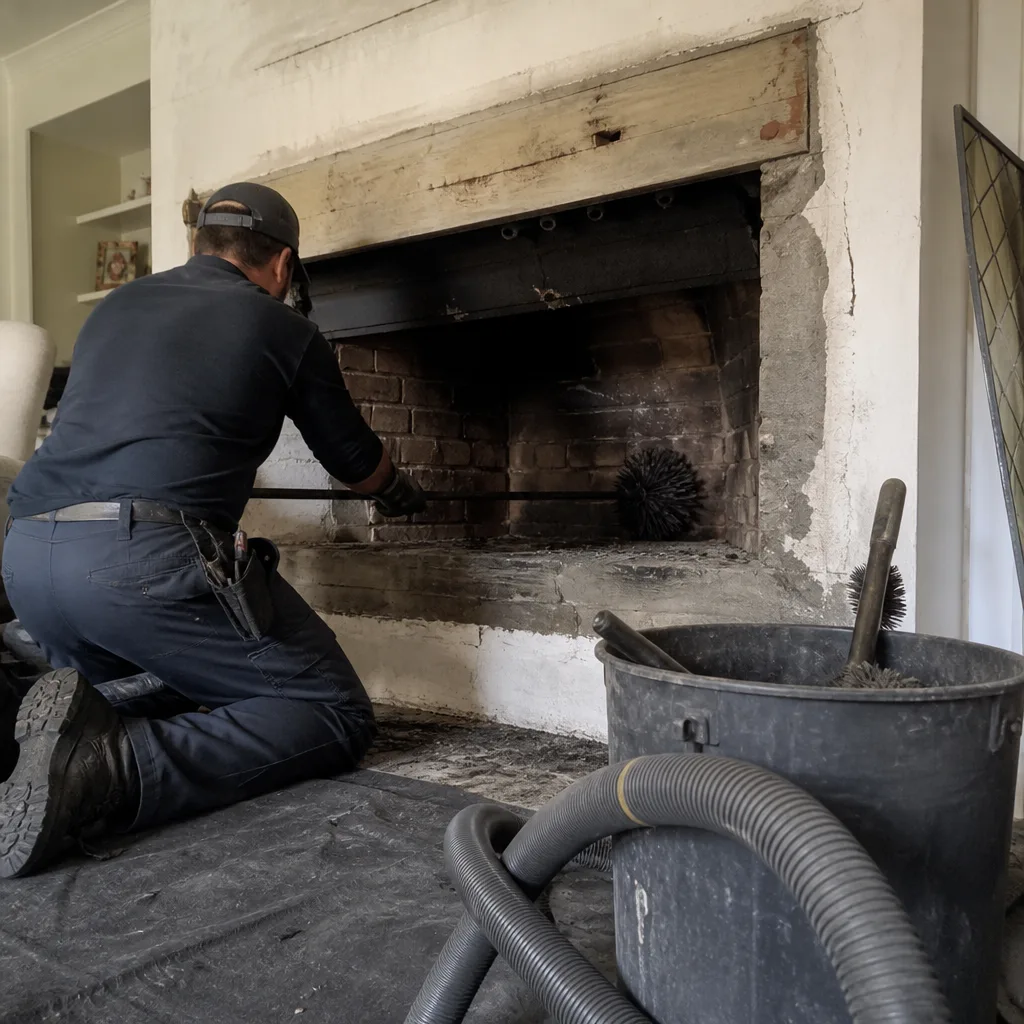 Before
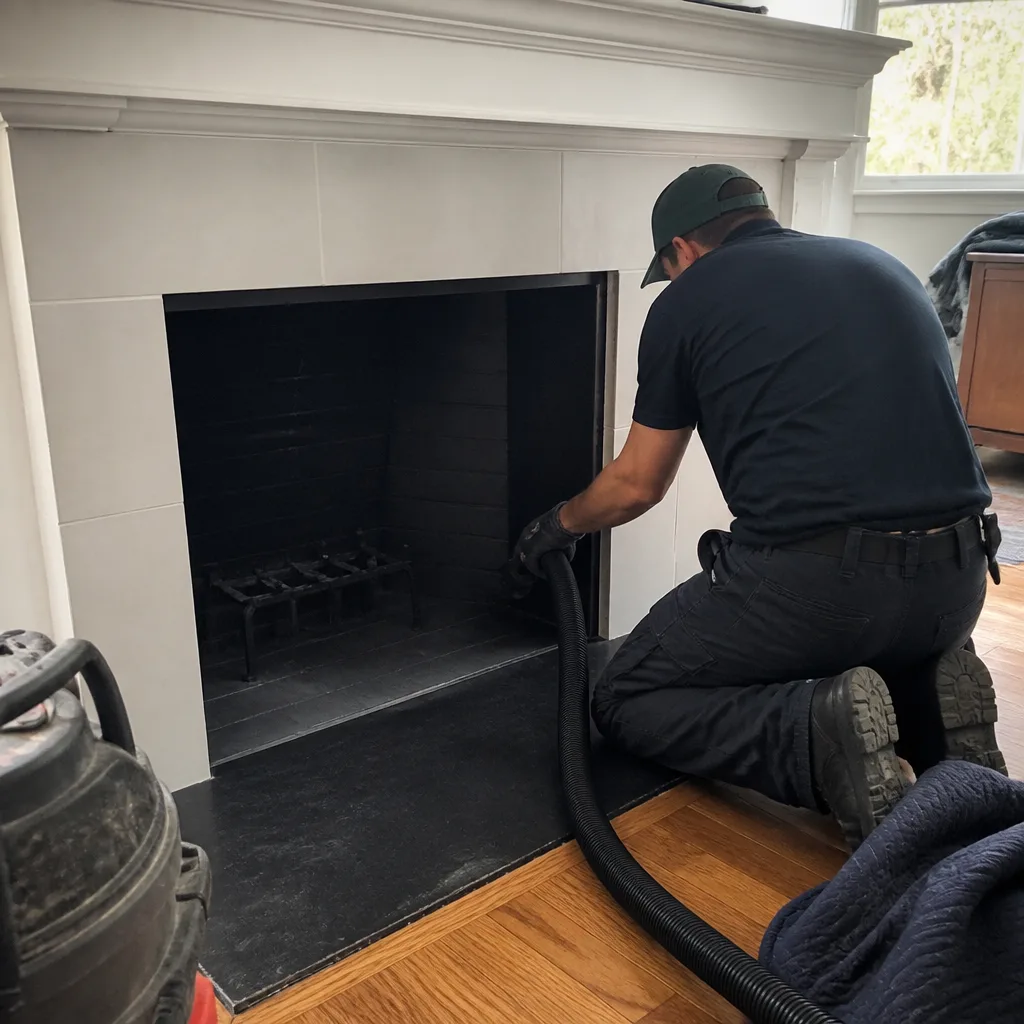 After
After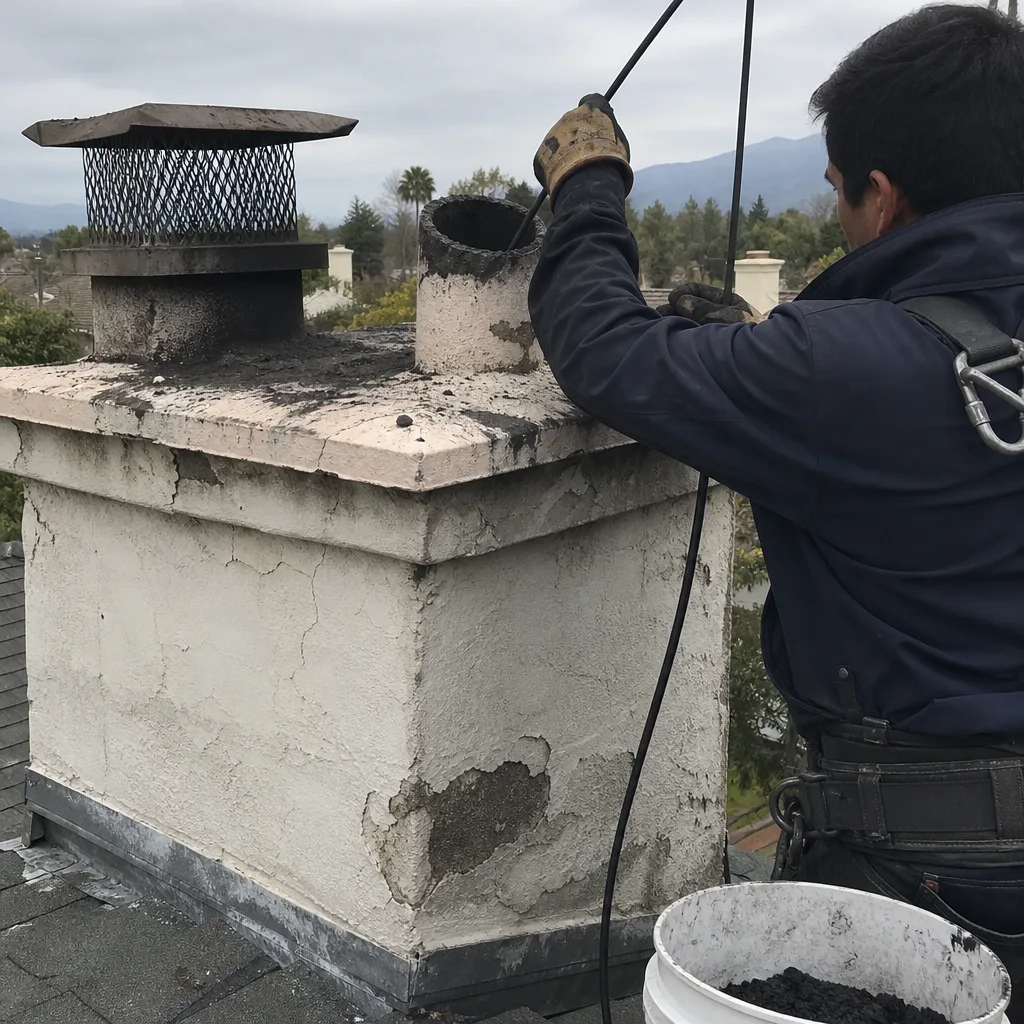 Before
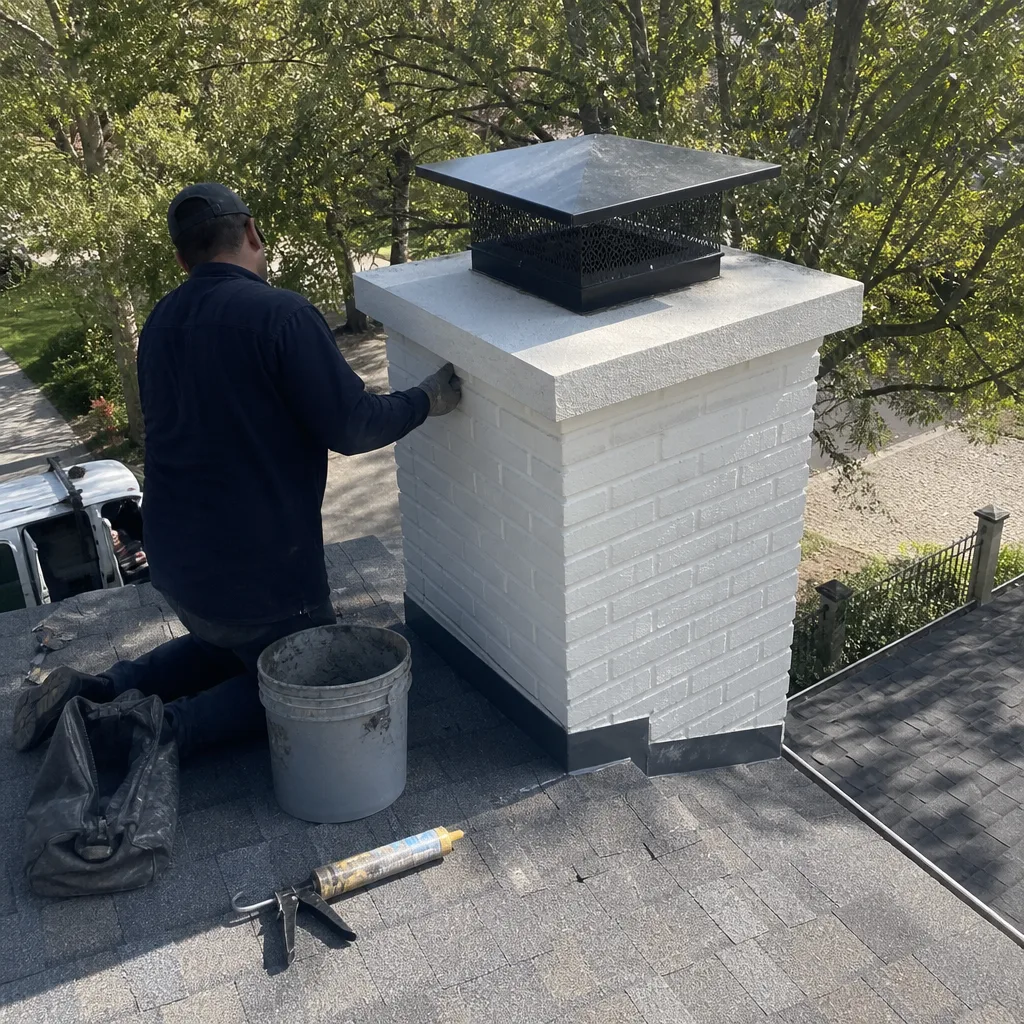 After
After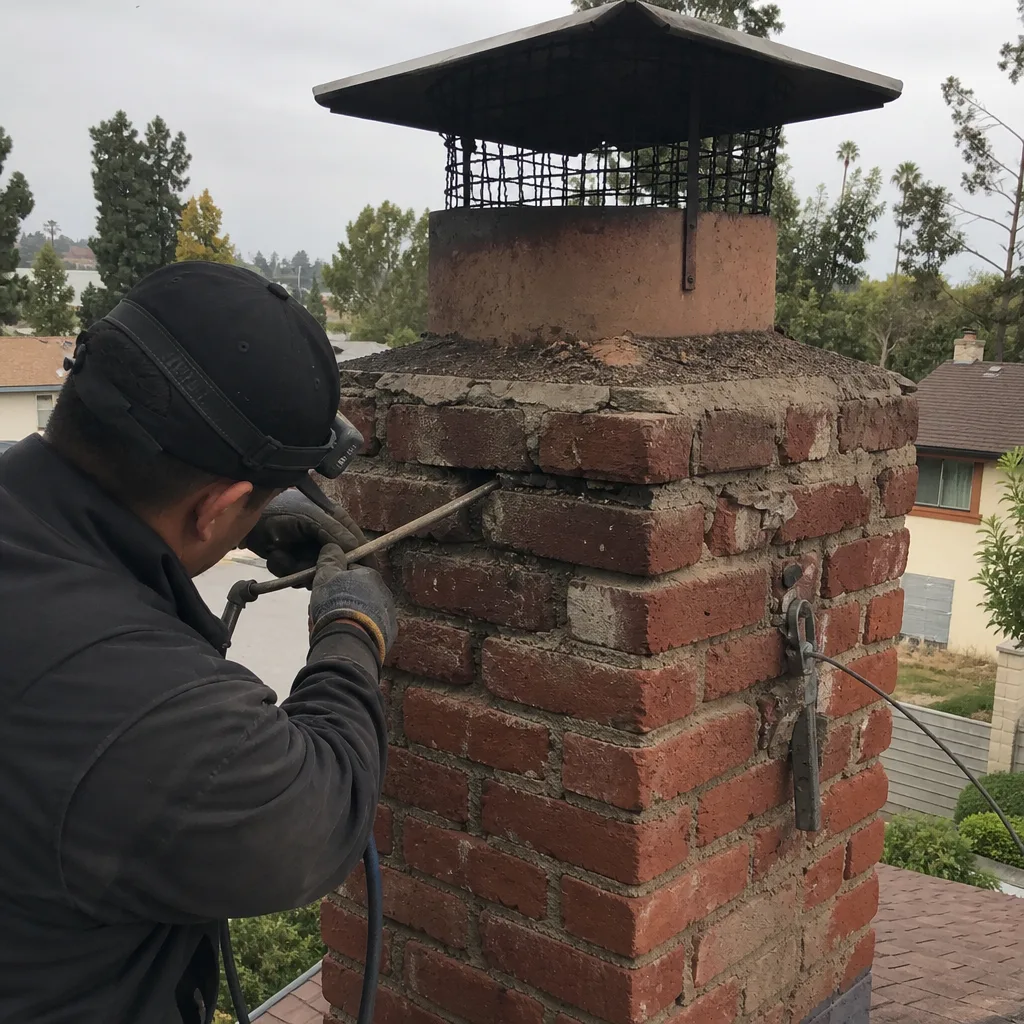 Before
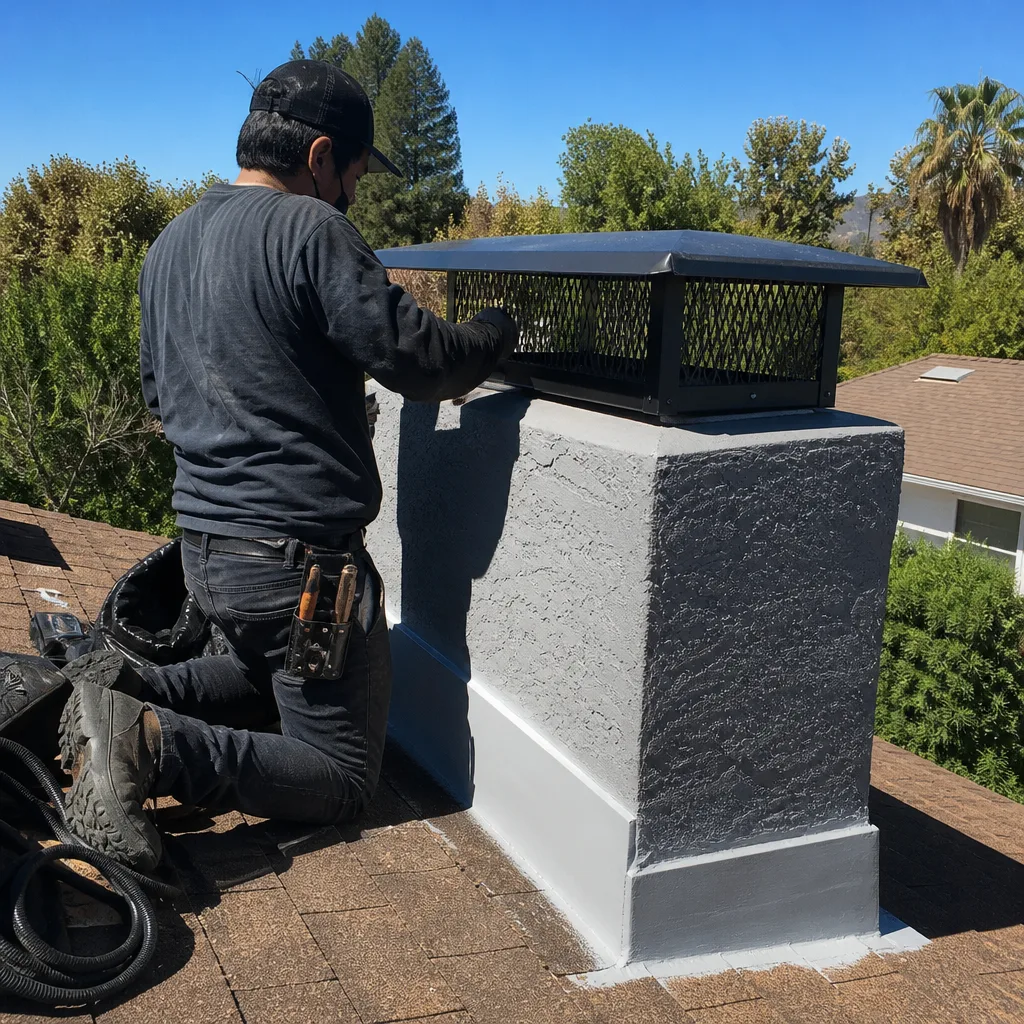 After
After