
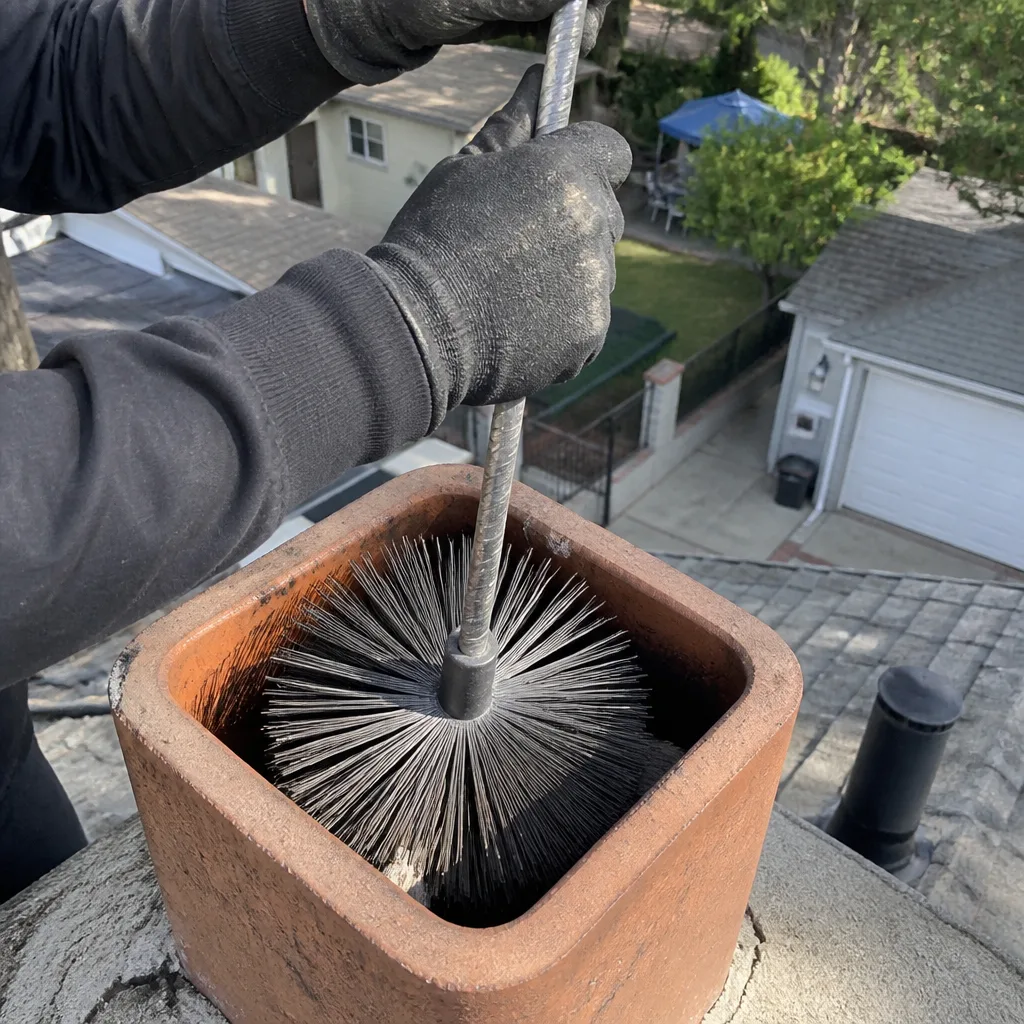
 Sweep & inspection
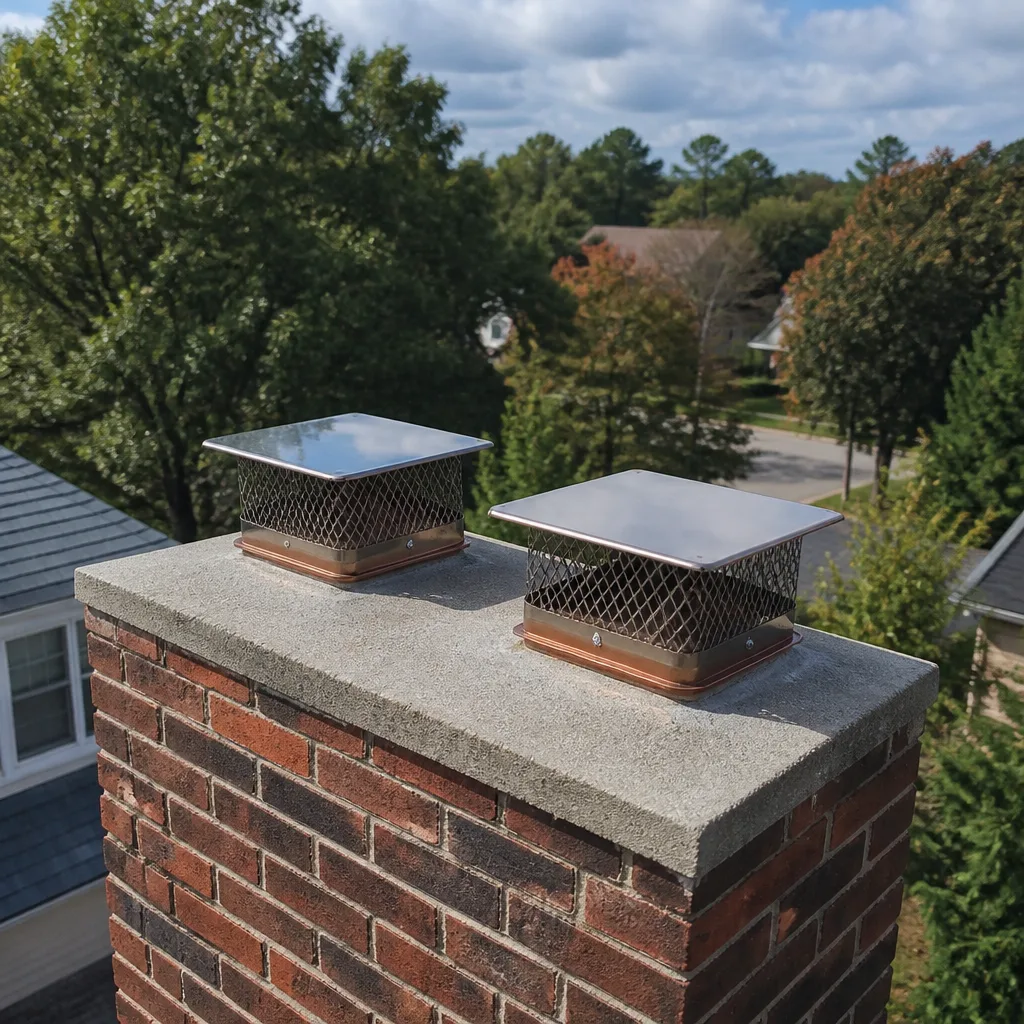
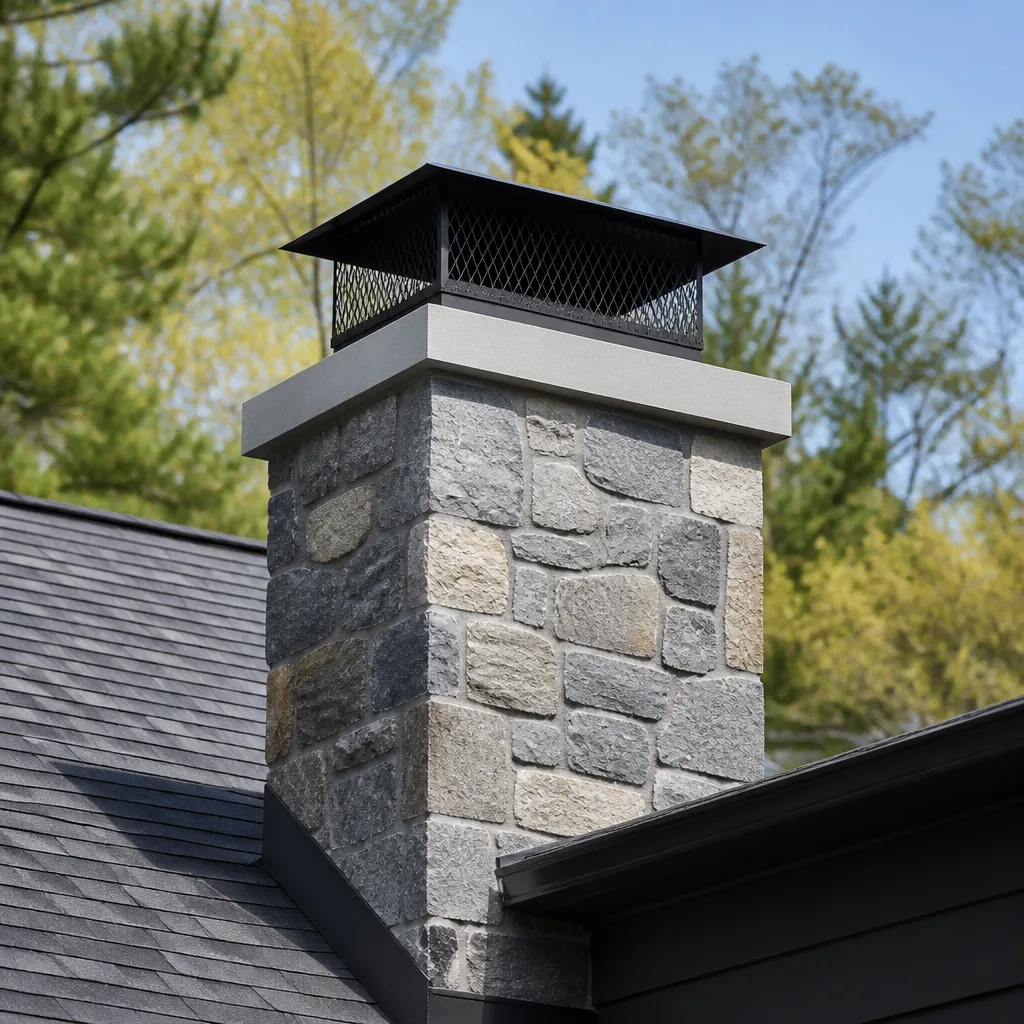 Caps & crowns
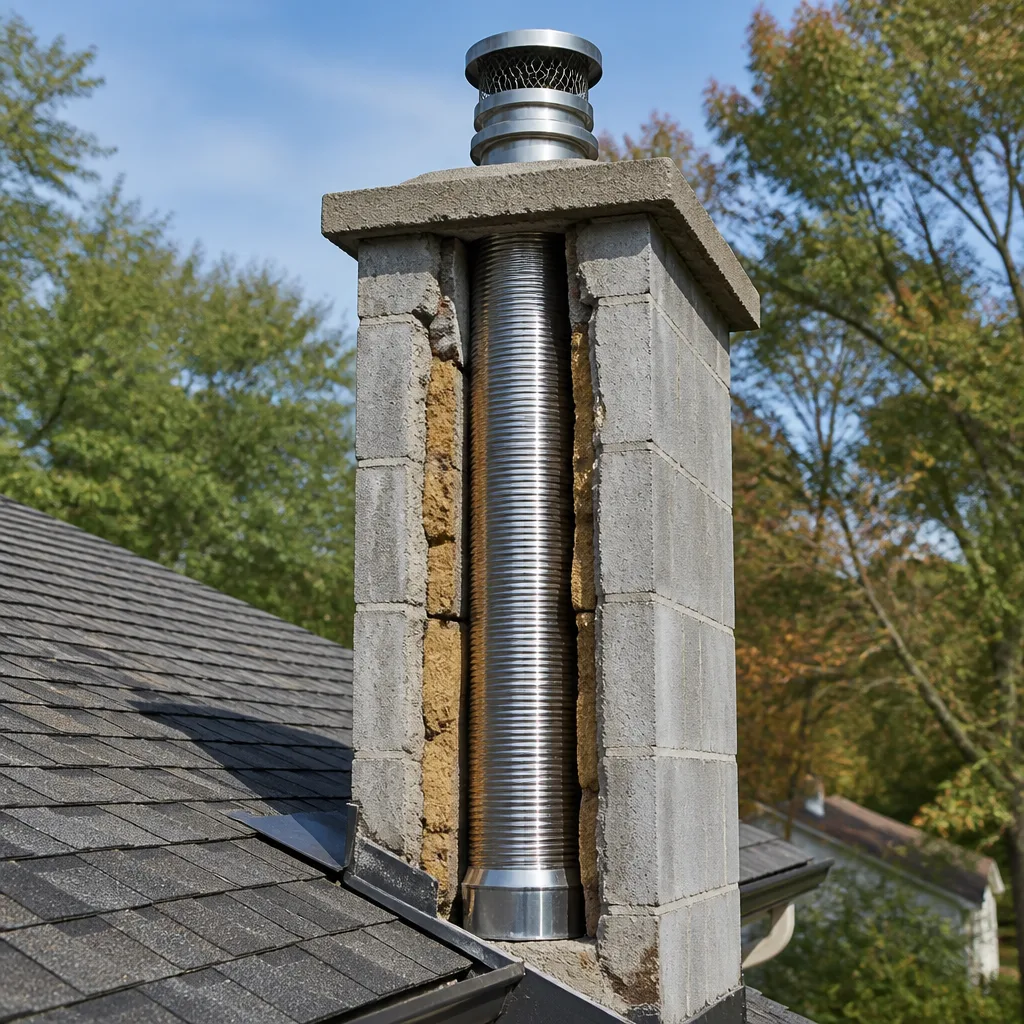 Flue relining
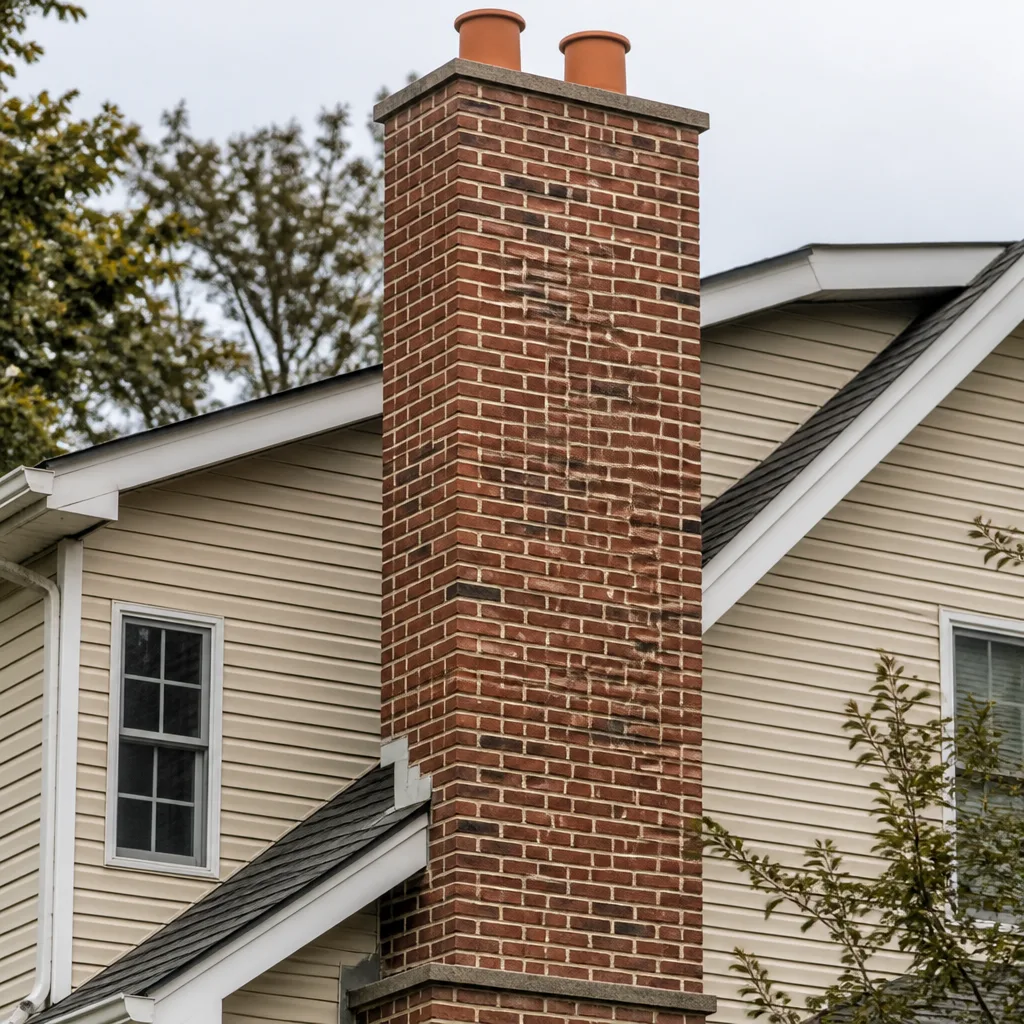 Masonry repair
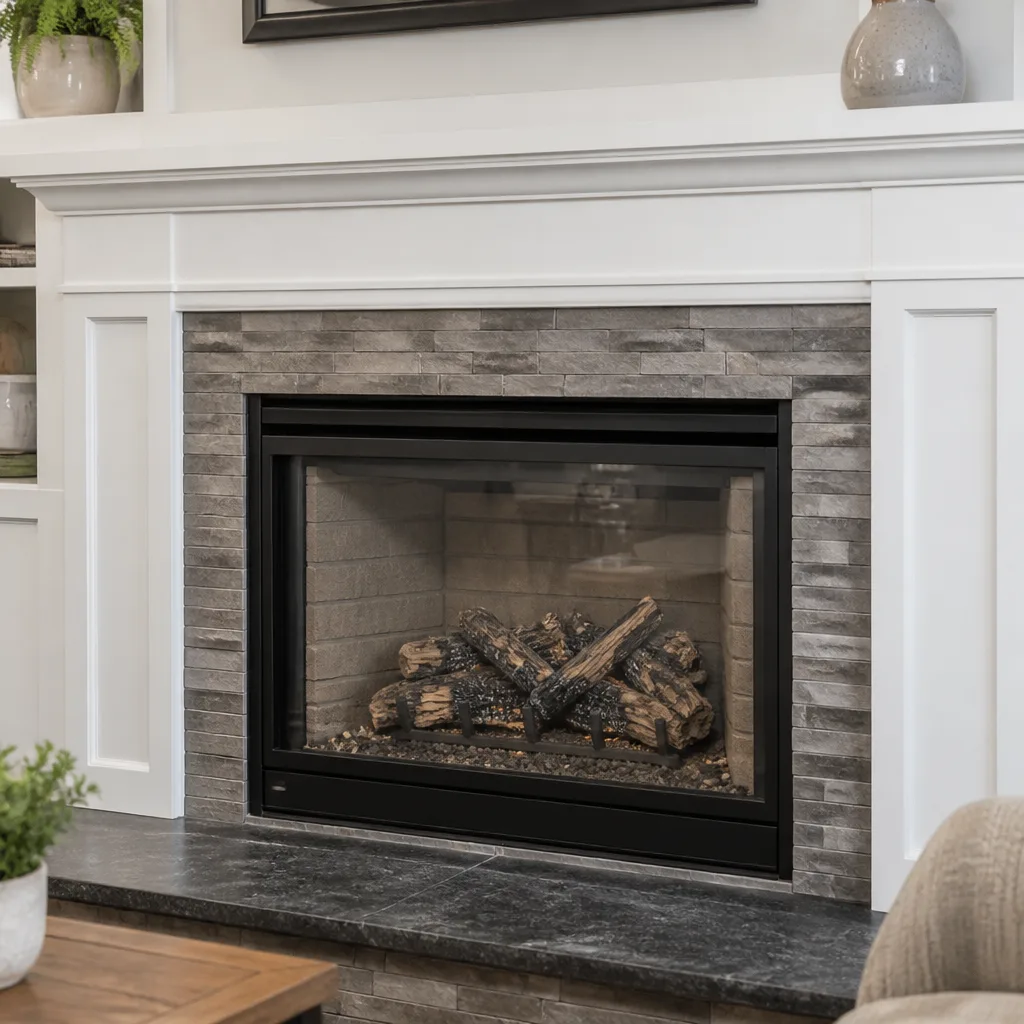 Gas fireplace service
Level 1 sweep and inspection to the NFPA 211 annual standard - flue, crown, cap, and flashing checked and photographed
Chimney sweep logs do not sweep chimneys. They loosen some creosote - which then falls where a brush and vacuum still have to collect it.
Styles & brands we work with
See the difference
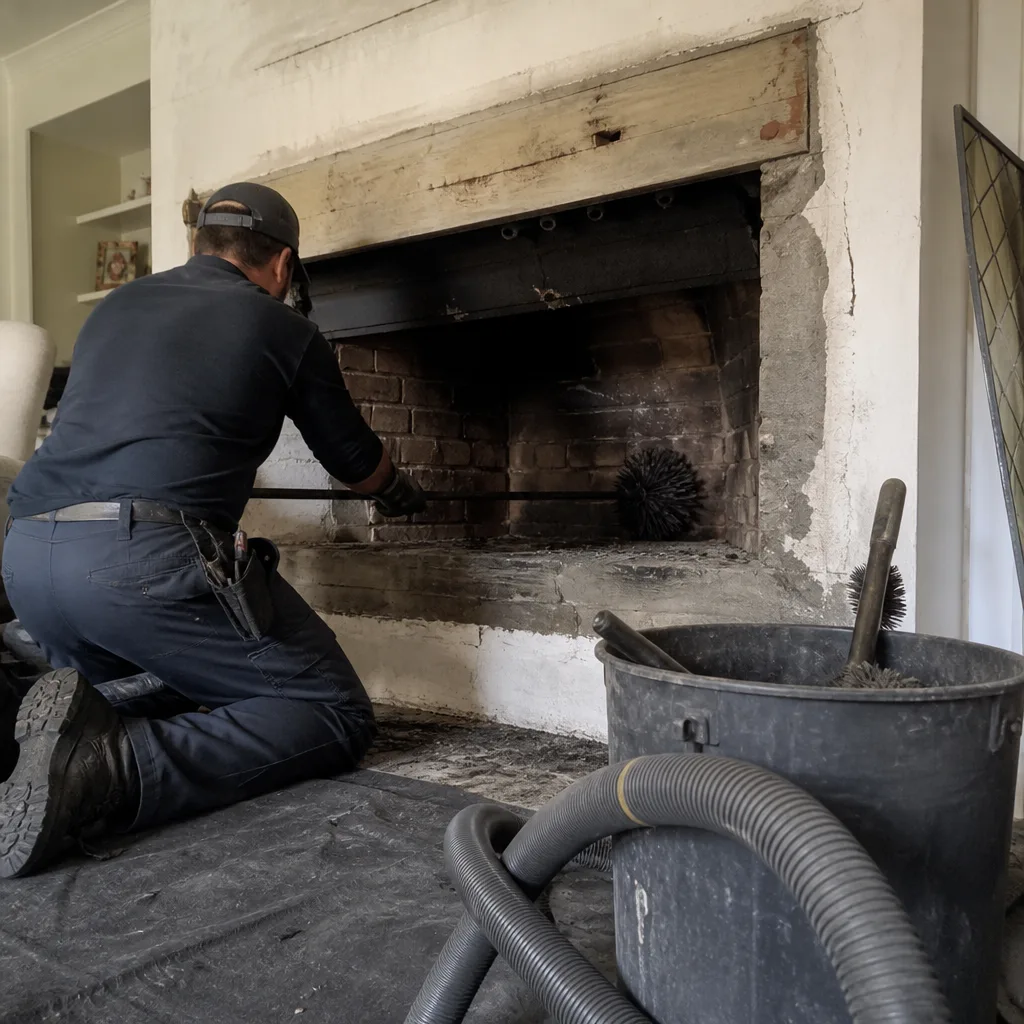 Before
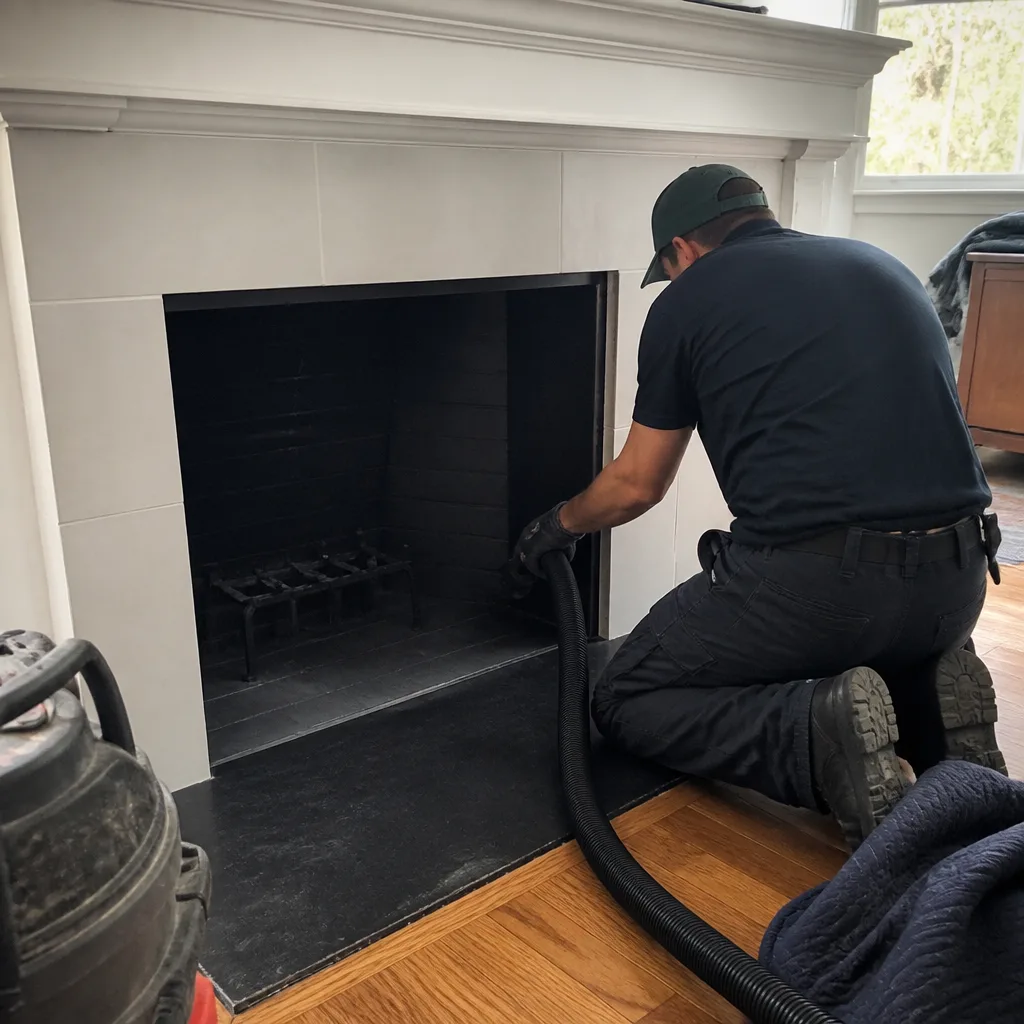 After
After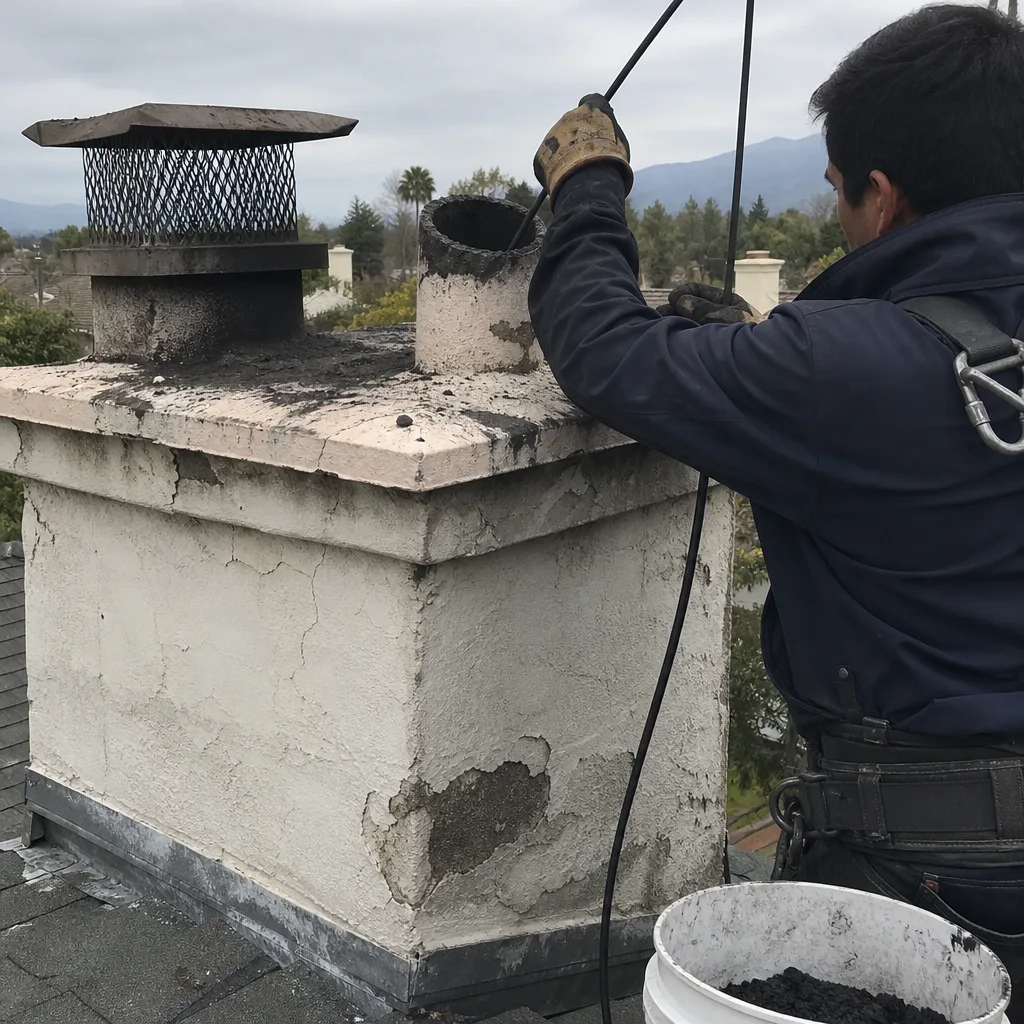 Before
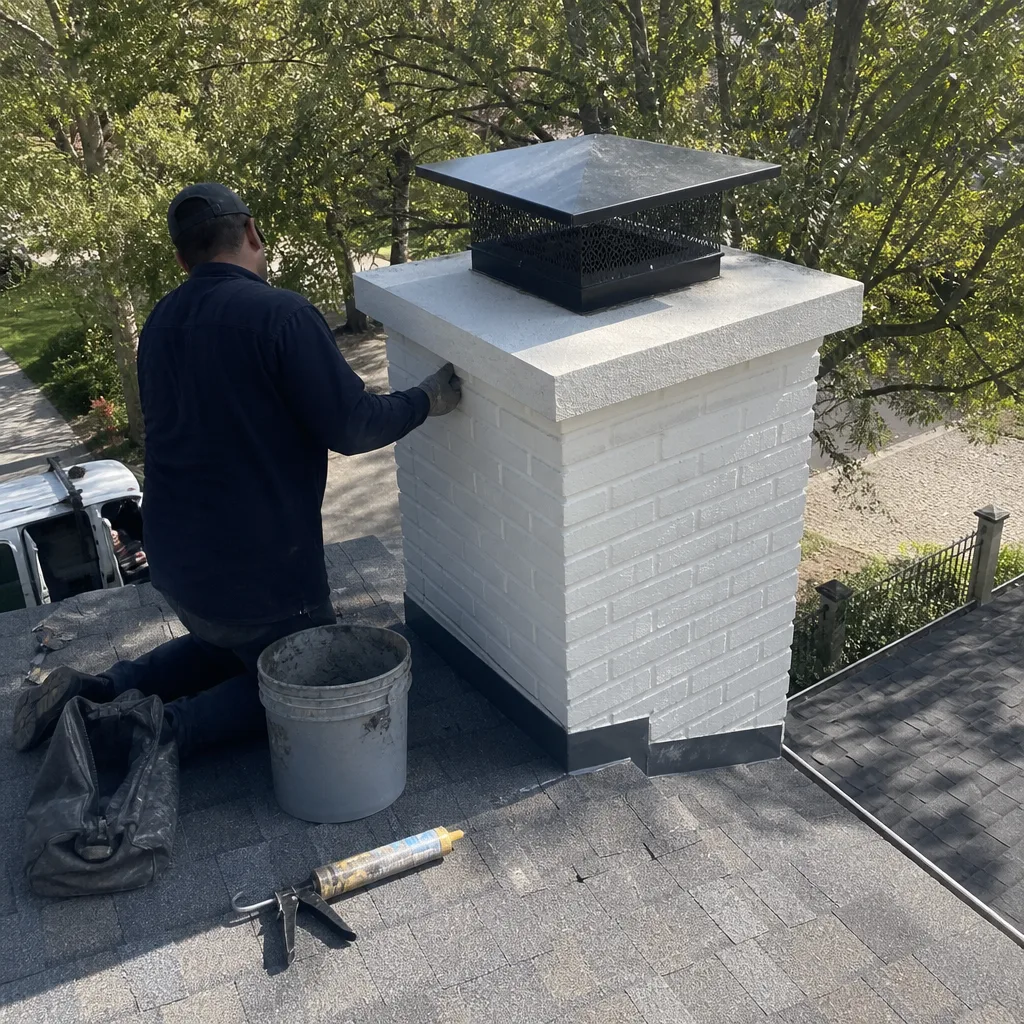 After
After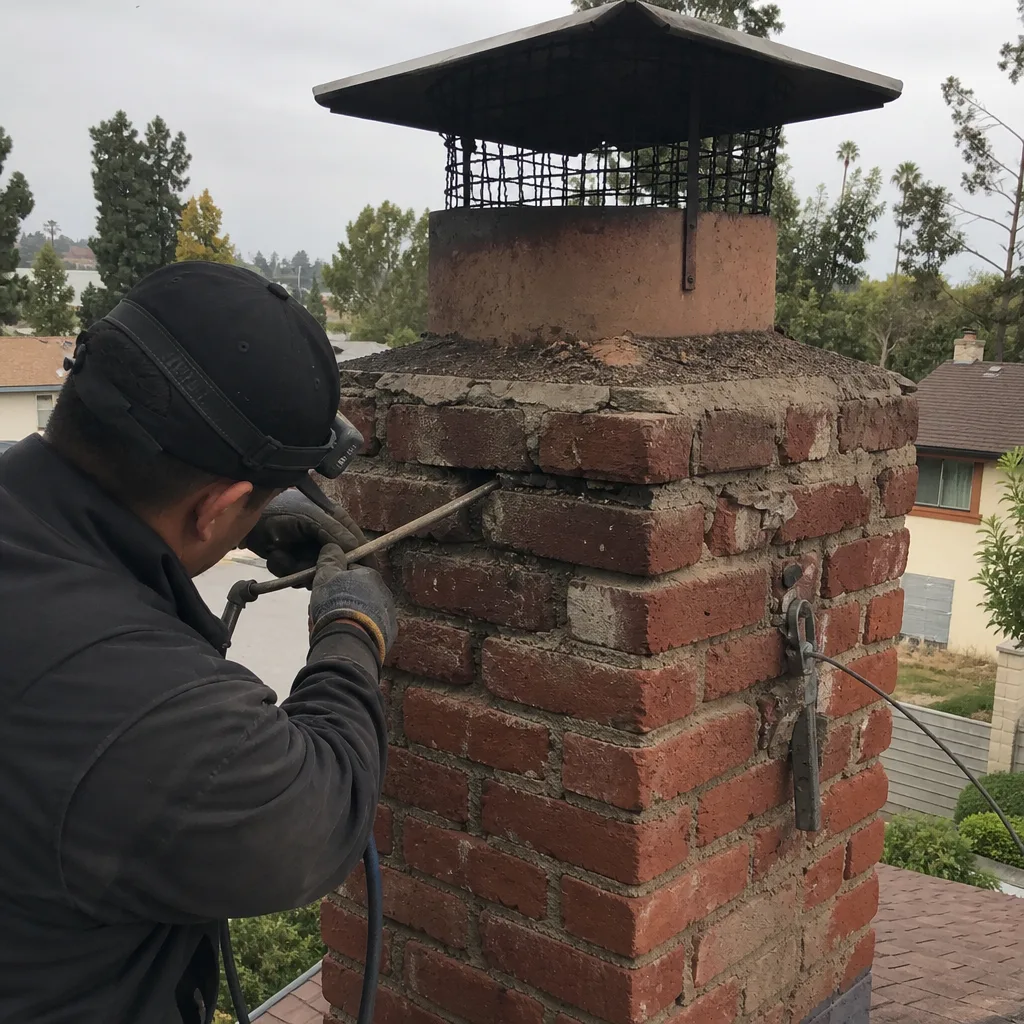 Before
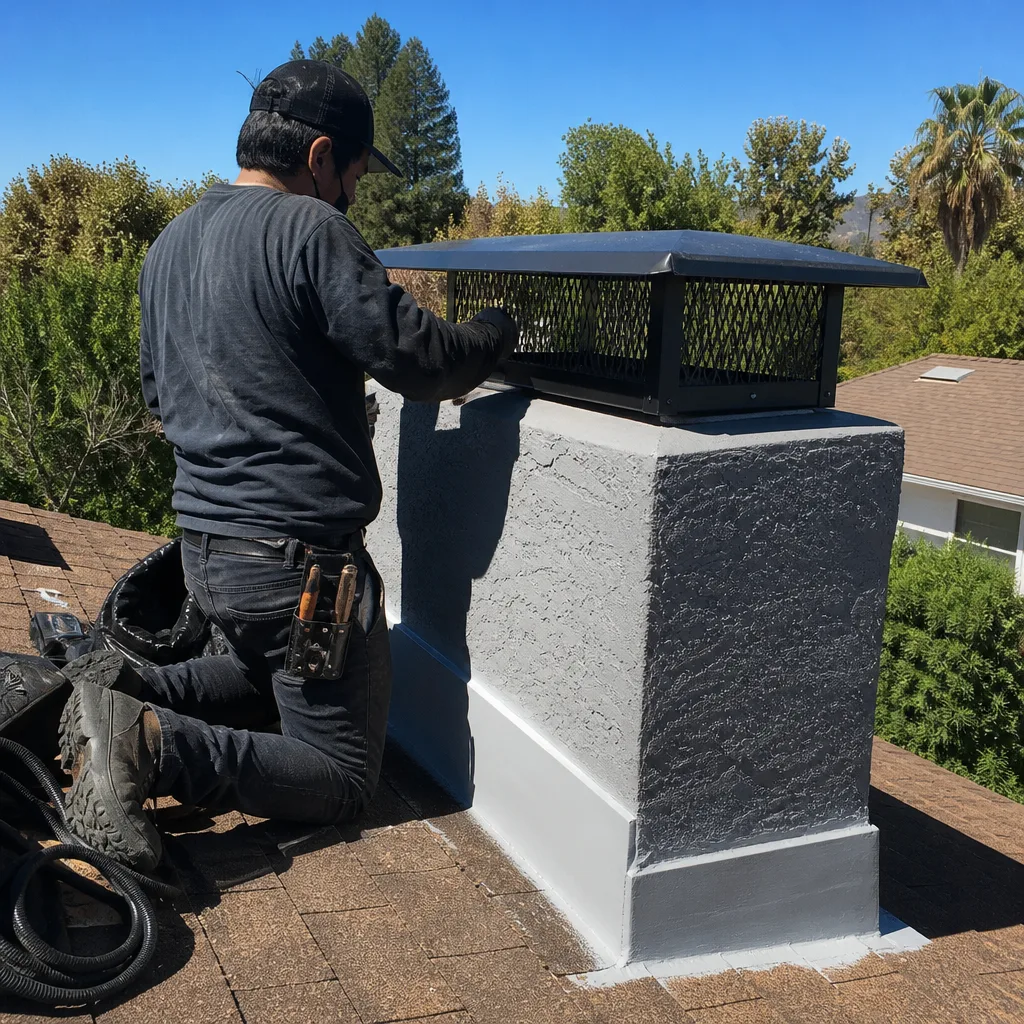 After
AfterCreosote Removal in Pasadena, CA
Creosote removal in Pasadena typically costs between $250 and $550 for a standard open-hearth fireplace, with the final number depending on how thick the buildup is and how long it’s been since the last cleaning. If you’re seeing black, tar-like residue inside your firebox or noticing a sharp, campfire smell even when the fireplace is cold, that’s creosote and it needs professional attention. Flint Chimney Co Pasadena handles creosote removal the same way we handle every job: with a written price up front, a uniformed technician on site, and a guarantee that covers the work for a full year.
This page is part of our Chimney Cleaning & Sweep in Pasadena service. If you want the full picture on sweeping, inspections, and related work, start there. If you specifically need creosote removed, keep reading. And if you’d rather just talk to someone, call (626) 657-5513. A live person answers, day or night.
What Is Creosote and Why Pasadena Homes Get It
Creosote is a byproduct of burning wood. When smoke travels up a chimney, it cools and condenses on the flue walls, leaving behind a residue that ranges from flaky and gray in its early stages to thick, glossy, and black when it’s heavily built up. Stage one creosote (also called soot) is mostly ash and brushes off easily. Stage two looks like shiny black flakes, and stage three is a hardened, tar-like glaze that can require chemical treatment or mechanical removal. Each stage burns at a different temperature, which is why chimney fires in Pasadena homes often start quietly: the creosote ignites, burns fast, and damages the flue liner before the homeowner even realizes anything happened.
Pasadena’s climate contributes to the problem. Evenings in the foothills around Altadena and upper Hastings Ranch get cold enough in winter that homeowners light fires frequently, but daytime temperatures stay mild. That cycle of heating and cooling means chimneys run through more cycles than they would in a colder, more consistent climate. Every time the fire dies down and the flue cools, condensation forms on the walls and traps creosote. Over a season of regular burning, that layer builds faster than most people expect.
We see this regularly in homes across Pasadena: Linda Vista, San Rafael, Bungalow Heaven, and the Craftsman neighborhoods south of the 210. The older fireplaces in those homes often have unlined or clay-tile flues, and clay tile is more prone to creosote adhesion than a smooth stainless liner. When we inspect a chimney, we’re not just looking at how much creosote is present. We’re looking at how it has bonded to the surface underneath, because that determines the removal method and the price.
When You Need Creosote Removal
Creosote doesn’t always announce itself. Sometimes the first sign is a faint smell in the room, and sometimes there’s no sign at all until a chimney professional looks up the flue with a flashlight. Here are the most common signals that creosote removal in Pasadena is overdue:
- A strong, acrid smell coming from the fireplace, especially on humid days or when the AC runs. Creosote absorbs moisture from the air, and when it does, the odor intensifies. Homes near the arroyo or with older masonry chimneys notice this more because the masonry breathes moisture into the flue.
- Black, tar-like streaks or drips inside the firebox or on the damper. This is stage three creosote. It doesn’t brush off with a standard sweep; it requires specific removal tools and sometimes a chemical treatment to break it down.
- Smoke backing up into the room when you light a fire. Creosote buildup narrows the flue passage, reducing draft. In Pasadena’s older chimneys, which were often built with smaller flue dimensions than modern codes require, even moderate buildup can restrict airflow enough to cause smoke blowback.
- A history of burning green or unseasoned wood. Wet wood produces a cooler, smokier fire, and that smoke condenses more readily into creosote. If you’ve been burning wood from a neighbor’s yard or from the recent wind storms without proper seasoning, creosote accumulates faster than with kiln-dried hardwood.
- It’s been more than a year since the last cleaning. The Chimney Safety Institute of America (CSIA) recommends a sweep whenever creosote buildup reaches 1/8 inch. For most Pasadena homeowners who burn more than a few fires per season, that means annually.
- You just bought the house and don’t know the chimney’s history. We see this often with homes purchased in the last couple of years. The previous owner may not have kept records, or the chimney sat unused for several seasons. A creosote assessment is part of every standard inspection we do.
Our Creosote Removal Process
Every creosote removal job in Pasadena follows the same sequence. We don’t improvise, and we don’t add steps on the fly to pad the invoice. Here’s exactly what happens when you call (626) 657-5513 and book creosote removal with Flint Chimney Co Pasadena:
- You get a written price before any work starts. When our technician arrives, they assess the chimney, the flue condition, and the creosote level. You get a written quote showing the scope of work and the exact price. That price doesn’t change at the door, and the invoice matches the quote unless you approve additional work in writing first.
- We protect the surrounding area. Creosote dust is fine, black, and stubborn. Our technicians lay drop cloths across the work area, cover the furniture with sheeting, and use a HEPA-filtered vacuum connected to the cleaning tools. The room stays clean, and we clean up after ourselves before we leave.
- We remove the creosote using the right tools for the stage of buildup. Stage one and two creosote typically come off with rotary brushes and rods. Stage three glazed creosote requires more aggressive tools, and in some cases we apply a professional-grade chemical treatment that breaks down the glaze over a day or two. We’ll tell you before we start what method your chimney needs and why.
- We inspect the flue as we go. Creosote hides problems. As we remove it, we’re looking at the flue liner underneath for cracks, gaps, or signs of previous chimney-fire damage. If we find damage that changes the scope, we stop, explain what we found, and give you a revised written quote before doing anything else. No surprise charges, no pressure. That’s The Garrison Standard we operate under at Flint Chimney Co Pasadena.
- We vacuum, bag, and remove all debris. The creosote and soot we remove leaves the property with us. You get a clean firebox, a clean floor, and a chimney that’s ready to burn safely.
- You receive a written report and your one-year guarantee. Every creosote removal includes a written summary of what we found and what we did, plus your 365-Day Done Right Promise: if the work isn’t done right, we return and make it right at no charge. That guarantee is in writing, and it’s valid for a full year from the service date.
If you’re starting from zero and want the full Chimney Cleaning & Sweep in Pasadena overview, that page walks through everything from inspections to repairs. The process above is specific to creosote work.
Creosote Removal Pricing in Pasadena
The honest price range in Pasadena is $250 to $550 for creosote removal on a standard masonry fireplace. Here’s what moves the number:
Cost Factors
- Creosote stage. Stage one and two creosote come off with standard rotary cleaning, which keeps the price at the lower end of the range. Stage three glazed creosote requires specialized tools and sometimes chemical treatment, which pushes the price toward the higher end.
- Flue length and configuration. A two-story chimney costs more than a single-story because there’s more flue surface to clean. Angled flues, tight offsets, or unusually tall chimneys add time and labor.
- Access conditions. If the chimney is on a steep roof or the firebox is narrow, the job takes longer. Homes in Pasadena’s hillside neighborhoods like San Rafael Hills or the neighborhoods above the Rose Bowl often have steep roof pitches or chimney heights that impact access.
- Whether you choose a level 1 or level 2 chimney inspection alongside the creosote removal. We recommend a level 2 inspection for any home that hasn’t had one in the last three years or that changed ownership recently. A level 2 inspection adds cost but gives you a complete picture of the flue, the crown, and the firebox.
- Additional services you request while we’re there. Chimney cap installation, crown repair, or damper adjustment can all be added if needed. Each gets its own written line-item price before we start.
We use professional-grade materials when a creosote removal uncovers a need for repairs. Depending on your chimney’s setup, that could mean an Olympia Chimney cap, a Famco damper, or a Copperfield flashing kit. We specify materials by job, not by margin, and we tell you the brand and model before we order anything.
We don’t quote over the phone because we can’t see what’s inside your flue from a conversation. What we can tell you is this: when we arrive, we give you a written price before we pick up a tool. If you decide not to go ahead, you pay nothing for the estimate. Call (626) 657-5513 and we’ll schedule a visit.
Why Creosote Removal Matters More in Some Pasadena Neighborhoods
Not every Pasadena chimney carries the same creosote risk. Here’s what we see on the ground:
In Bungalow Heaven and the historic districts north of Colorado Boulevard, many fireplaces were built between 1905 and 1930. The flue tiles in those chimneys are often original, and decades of heating and cooling cycles have left hairline cracks in the tiles. Creosote seeps into those cracks, and once it does, a standard brush removes only the surface layer. That’s where our inspection during creosote removal matters: if the tile liner is compromised, the creosote inside the cracks becomes an ignition risk that rotary cleaning alone won’t fix.
In Linda Vista and the neighborhoods below the Annandale foothills, the burning season is long and steady through winter, which means more creosote accumulation between cleanings. Homes here also sit on steeper terrain, so chimney access often requires roof work on a grade. We account for that in the written price up front; it’s never a surprise charge at the end.
In Madison Heights and Oak Knoll, many homes have been updated with gas log sets or converted fireplaces. Even with gas logs, creosote from prior wood burning remains on the flue walls, and gas combustion adds its own acidic residues. If you switched to gas but never had the old creosote cleaned out, the chimney still needs attention.
The point is this: creosote removal in Pasadena is not a one-size-fits-all job. The home’s age, the flue construction, the roof pitch, and the burning history all shape what we do. That’s why we take the time to assess before we quote, and why the quote is always written.
What Creosote Removal Includes (and What It Doesn’t)
We get asked this often enough that it’s worth spelling out plainly.
Creosote removal includes:
- Removal of creosote from the firebox, smoke chamber, damper area, and flue liner
- HEPA-filtered dust containment throughout the work area
- A visual check of the flue liner as we clean
- Disposal of all creosote, soot, and debris
- A written report of what we found and what we did
- The 365-Day Done Right Promise on the removal work
Creosote removal does not include:
- Repairs to the flue liner, crown, or firebox (these are quoted separately in writing if discovered)
- Chimney cap installation or replacement (available as an add-on with written pricing)
- Masonry repointing or brick replacement
- Level 2 camera inspection (recommended in certain conditions, priced separately)
If we find something during creosote removal that needs repair, we stop and tell you. You approve the repair in writing before we proceed, or you decline and we continue with the cleaning only. The decision is yours, and there’s no obligation either way. That’s how we’ve operated since 2002 as part of the Garrison Partners family of chimney service companies.
FAQs – Creosote Removal
How much does creosote removal cost in Pasadena?
Creosote removal in Pasadena typically costs between $250 and $550 for a standard masonry fireplace. The price depends on the creosote stage, flue length, roof access, and whether you add an inspection or other services. Call (626) 657-5513 for a free estimate and we’ll give you a written price before any work starts.
Can you remove creosote the same day you come out?
Yes. In most cases we remove creosote during the same visit as the estimate, as long as you approve the written quote on the spot. If the creosote is stage three glaze that requires chemical treatment, we may need a second visit a day or two later to complete the removal. Call (626) 657-5513 and we’ll schedule a time that works for you.
Is creosote removal dangerous to do yourself?
Creosote removal is not a DIY job. The work requires working on the roof, operating rotary cleaning tools inside a confined flue, and dealing with fine creosote dust that is a known respiratory irritant and a fire risk. Working from a ladder or roof edge while handling chimney tools is one of the most common sources of serious fall injuries among homeowners. Professional creosote removal also requires a HEPA-filtered vacuum system to keep the dust contained. We recommend you hire a trained, insured chimney technician for this work. Call (626) 657-5513 and we’ll handle it safely.
Is creosote the same thing as soot?
No. Creosote and soot are related but not the same. Soot is the fine black powder that accumulates from smoke; creosote forms when that soot mixes with moisture and unburned wood gases and condenses on the flue walls. Soot brushes off easily; tar-like creosote requires more aggressive cleaning methods. If you call us for a standard sweep and we find glazed creosote, we’ll tell you before we start and give you a written price for the full removal. Call (626) 657-5513 for an assessment.
How often should creosote be removed in Pasadena?
For most Pasadena homeowners who burn wood regularly through the winter, creosote removal should happen annually. If you burn infrequently – a few fires per season – every two years may be sufficient. If you burn green wood, or if your chimney is older and unlined, you may need it more often. Call (626) 657-5513 and we’ll assess your chimney and give you a realistic schedule.
Does the 365-Day Done Right Promise apply to creosote removal?
Yes. Creosote removal is covered by the same written guarantee we include on every service: if the work isn’t done right, we return at no charge within one full year of the service date. No fine print, no argument.
Written by Hank Delano, Owner at Flint Chimney Co Pasadena, serving Pasadena.