
Last updated October 15, 2026
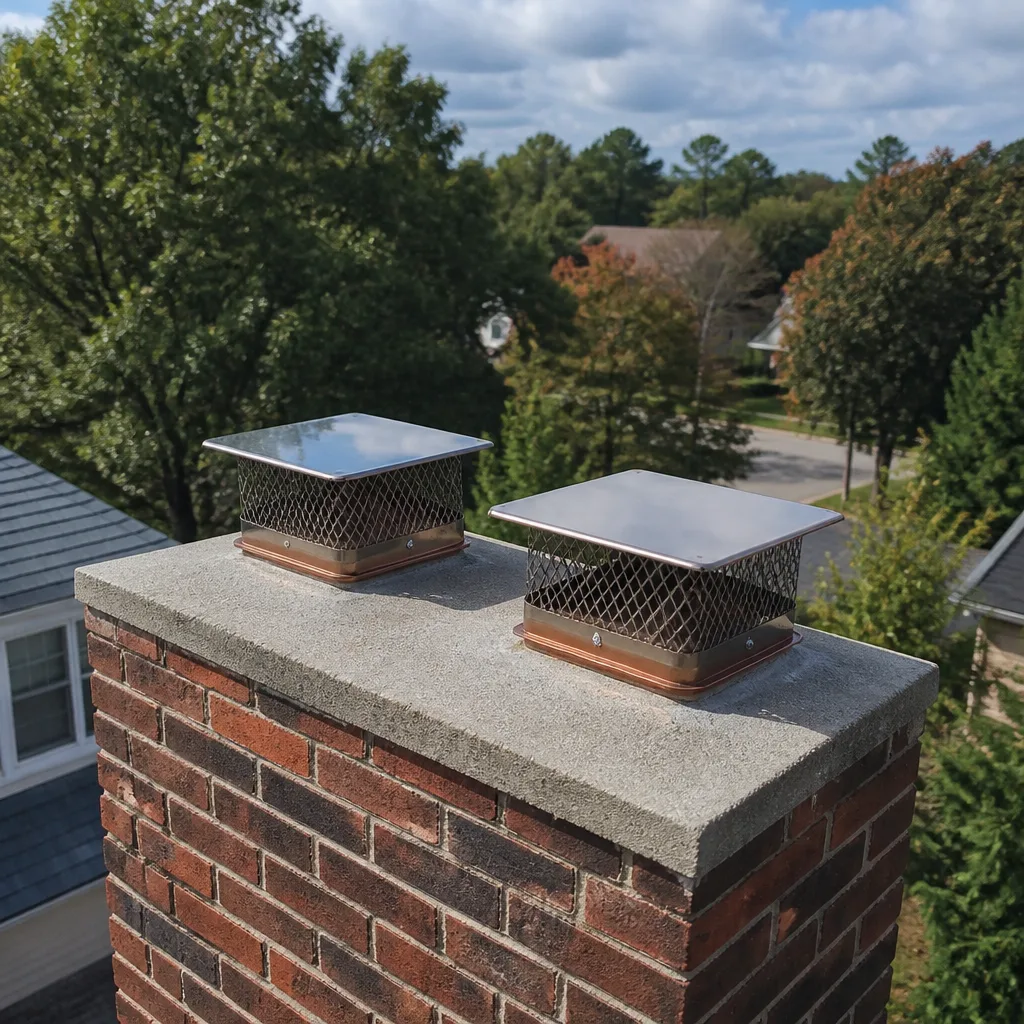 Sweep & inspection
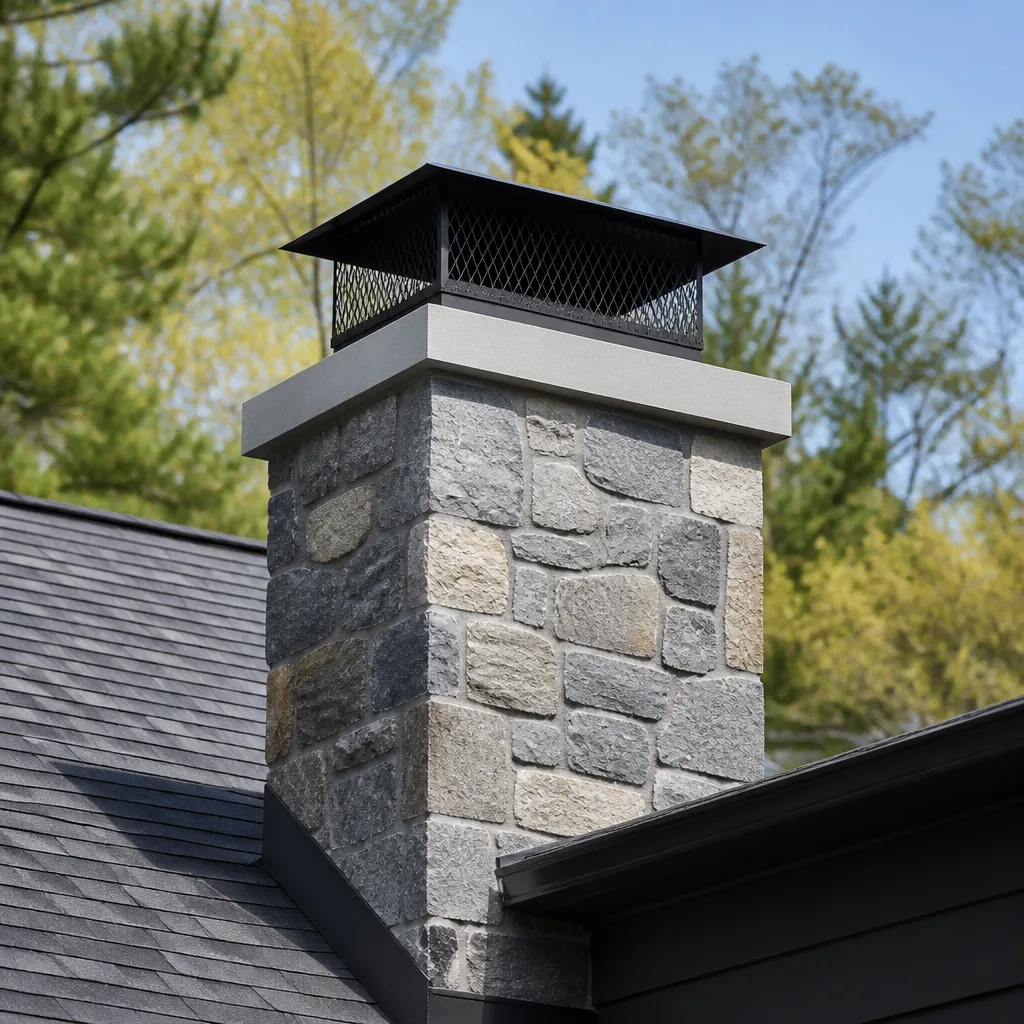 Caps & crowns
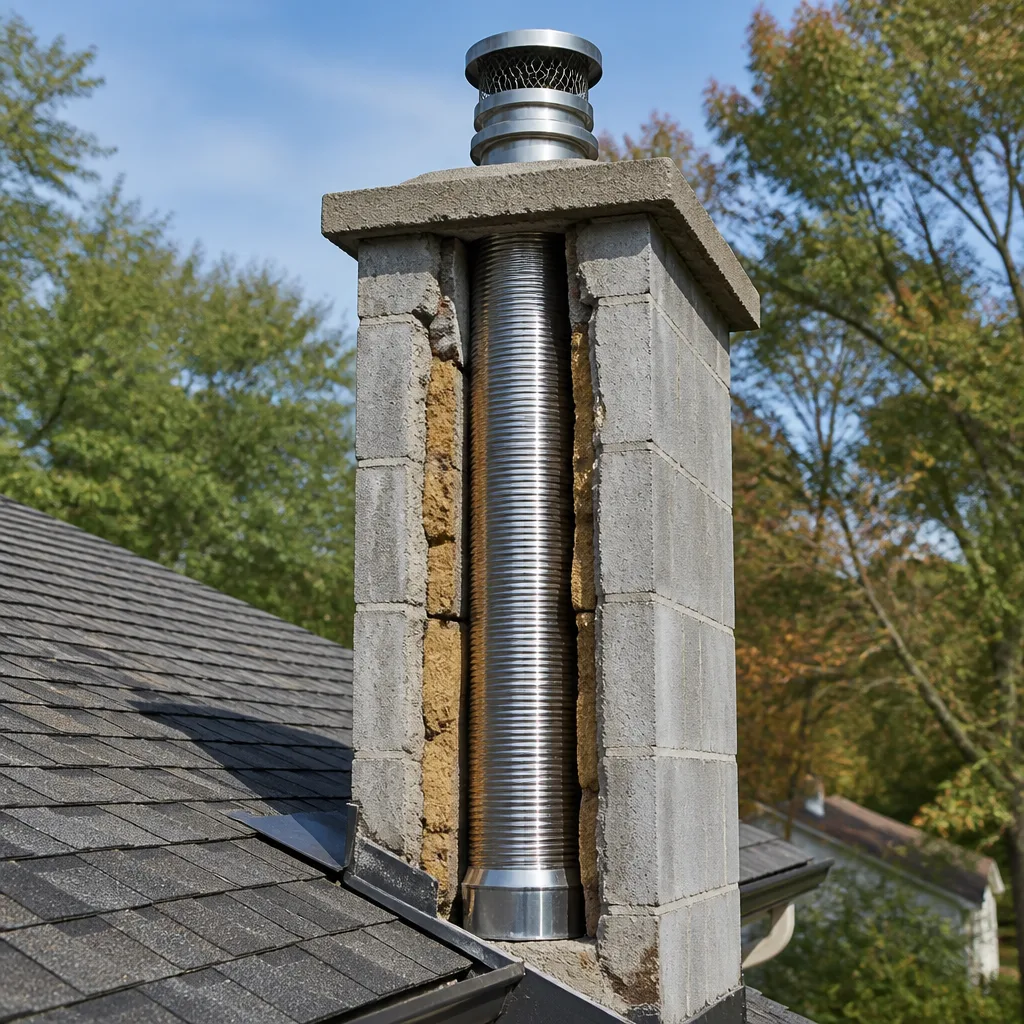 Flue relining
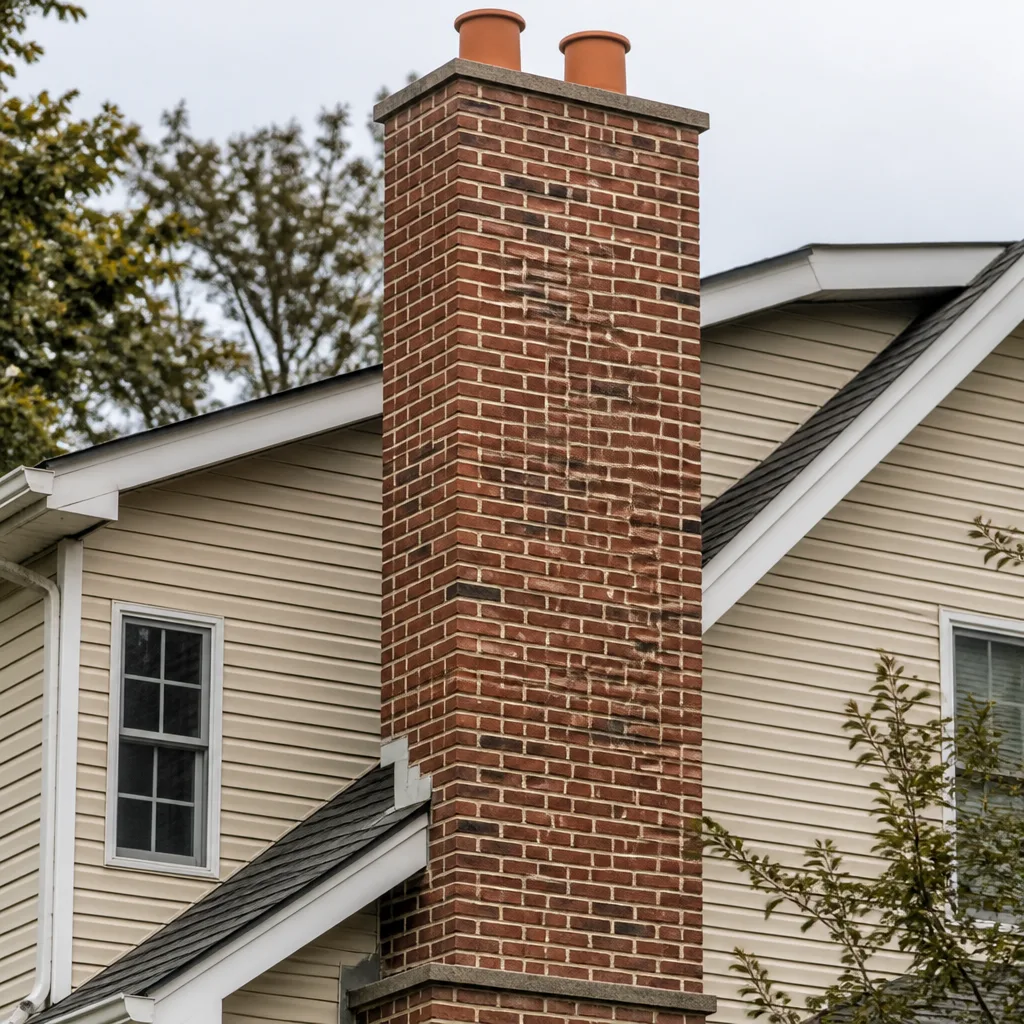 Masonry repair
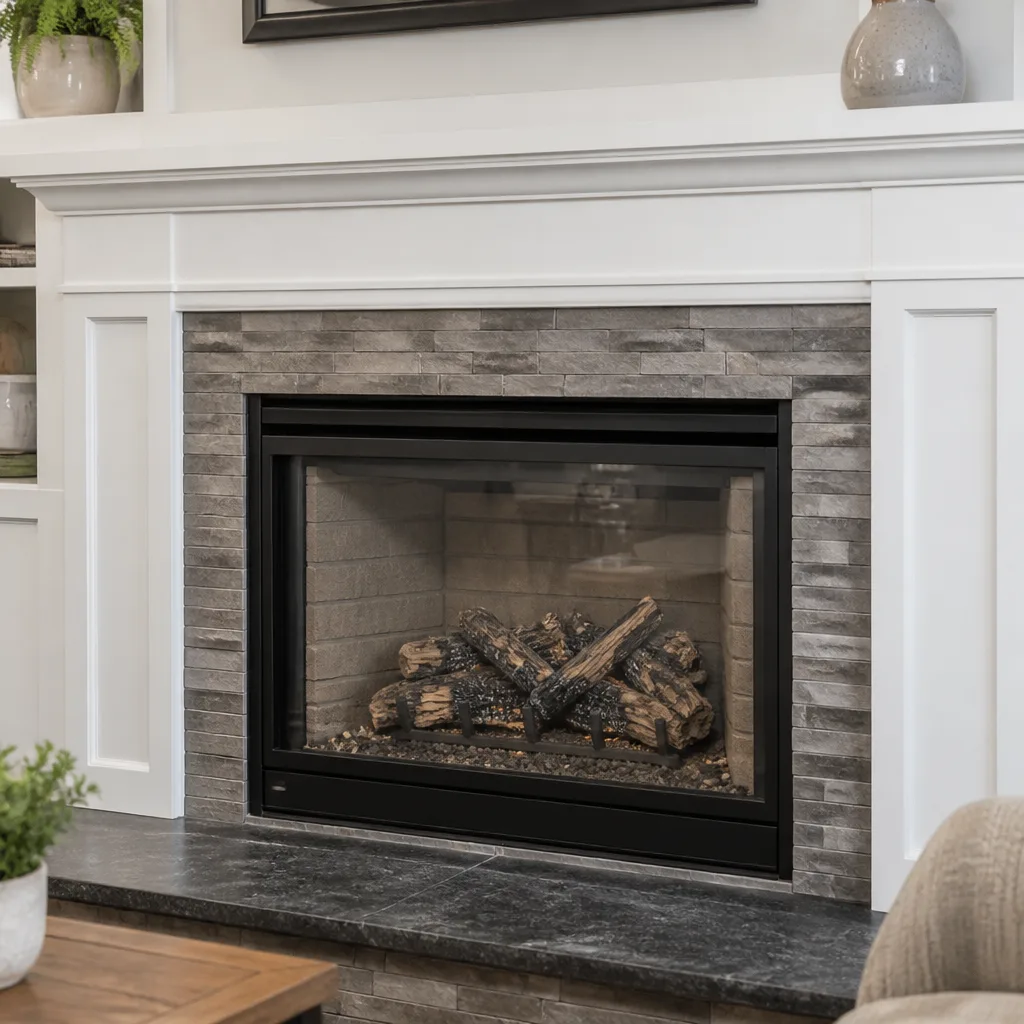 Gas fireplace service
Level 1 sweep and inspection to the NFPA 211 annual standard - flue, crown, cap, and flashing checked and photographed
Chimney sweep logs do not sweep chimneys. They loosen some creosote - which then falls where a brush and vacuum still have to collect it.
The Complete Guide to Chimney Cleaning in Pasadena
Pasadena recorded 14 structure fires traced to solid-fuel heating equipment in a recent five-year span. What’s notable about that number isn’t that people skipped chimney cleaning. It’s that most of them had paid for a cleaning they couldn’t verify. A chimney sweep is one of the few home services where the customer almost never sees the work, can’t easily judge the result, and has no standard documentation to compare against. This guide changes that. We’re going to show you exactly what gets cleaned inside a Pasadena chimney, what each part costs, what documentation you should demand, and how to read an estimate so nothing surprises you. If you own a fireplace in Pasadena, this is the only reference you need.
Styles & brands we work with
Quick Answer
A standard chimney cleaning in Pasadena typically runs $180 to $340, covers the flue liner and smoke chamber, and takes 45 to 90 minutes. What isn’t always included: the firebox, the cap, and repairs to any part of the system, each priced separately. You should receive a written report with photos or camera footage from every cleaning, not a verbal “all clear.”
Table of Contents
- What a Chimney Cleaning Actually Covers
- What Chimney Cleaning Costs in Pasadena
- How Pasadena’s Climate Changes Creosote Buildup
- Level 1, Level 2, and Level 3 Inspections Explained
- The Documentation You Should Receive After Every Cleaning
- How to Read a Chimney Cleaning Estimate Line by Line
- Common Mistakes to Avoid
- When to Call a Professional
- Frequently Asked Questions
- The Bottom Line
What a Chimney Cleaning Actually Covers
Before you hire anyone in Pasadena, you need to know what “cleaning” means. The term gets thrown around loosely, and that’s where pricing games start. A standard chimney sweep covers two things: the flue liner and the smoke chamber. That’s it. Everything else is either included by some companies and charged as an add-on by others, which is why you need the scope in writing before work starts.
The Four Zones of a Chimney System
Think of your chimney as four separate zones. Each one does a different job, and each one may or may not be in your cleaning package.
- Flue liner: The inner channel that carries smoke and gases from the firebox to the top of the chimney. This is the primary surface where creosote accumulates. A standard sweep brushes this from top to bottom.
- Smoke shelf and smoke chamber: The angled area just above the firebox where smoke funnels into the flue. Creosote collects here heavily because airflow slows down in this zone. A proper sweep includes this, but a rushed one skips it because it’s harder to reach.
- Firebox: The brick or stone box where the fire actually burns. This is the part you can see. Ash removal and basic brick brushing are often billed separately because the firebox requires different tools and more time.
- Chimney cap and crown: The metal or masonry top of the chimney. The cap keeps rain, birds, and debris out. Cleaning the cap means removing it, brushing it, and checking the mesh screen. Some companies bundle this with a sweep, others charge it as a separate service order.
When you get a quote, ask which of these four zones the price covers. If the answer is “everything,” ask them to put that in writing. A written scope is the single best defense against a surprise invoice at the end of the job. We’ve seen Pasadena homeowners in neighborhoods like Bungalow Heaven and Madison Heights get charged double what they approved because the estimate covered the flue but not the firebox. Every quote from Flint Chimney Co Pasadena lists each zone and its price, so you know before we start whether the firebox is in or out.
What a Sweep Does Not Include
A chimney cleaning is not a repair. It does not fix cracks, replace a damaged liner, rebuild a crown, or stop a leak. If the sweep finds damage, that work should be quoted separately, after the cleaning is complete. Any company that tries to sell you a relining job before cleaning the chimney first is working backwards. You can’t see what needs repair until the creosote is off the walls. That sequence matters, and it’s one of the reasons we complete the sweep before we quote any Chimney Repair in Pasadena work.
What Chimney Cleaning Costs in Pasadena
In Pasadena, a standard chimney sweep runs $180 to $340 for a single-flue fireplace with typical creosote buildup. That’s not a national average; that’s what we see in this market, across single-family homes in the San Rafael Hills to condos near Old Town. The range reflects variables: how long since the last cleaning, how much creosote has accumulated, whether the flue is easily accessible from the roof or requires a ladder setup on a steep tile roof, and whether any of the surrounding zones need separate attention.
Pasadena Chimney Cleaning Price Ranges
- Standard sweep (flue liner + smoke chamber): $180 to $280
- Firebox cleaning (ash removal, brick brushing): $40 to $90
- Chimney cap removal, cleaning, and reinstallation: $40 to $80
- Glazed creosote removal (hard, tar-like deposits): $100 to $300 add-on, depending on severity
- Level 1 inspection (visual, included with most sweeps): $0 to $75 when bundled
- Level 2 inspection (camera scan): $150 to $350
These are line-item ranges, not packages. Some Pasadena companies advertise “$149 chimney cleaning” and then add a liner brush fee, a smoke shelf fee, and a “setup fee” at the door. The price you approve before work starts should be the price on the invoice after. That’s not a marketing line; it’s the only way a homeowner can compare bids honestly. A full Chimney Sweep in Pasadena from Flint Chimney Co Pasadena includes a written price for the complete scope, delivered before any tools come off the truck.
How Pasadena’s Climate Changes Creosote Buildup
Pasadena’s Mediterranean climate changes how creosote forms, and that changes how often you need a cleaning. In colder, wetter regions, fireplaces burn daily for five or six months. That heavy use produces steady creosote accumulation, and sweeps get scheduled annually like clockwork. Pasadena is different. Most homes here use their fireplace maybe three to five times a month between November and February. The firebox rarely gets hot enough for long enough to burn off the early creosote deposits, and that’s a problem.
Creosote forms in stages. Stage one is a light, dusty soot that brushes off easily. Stage two is a flaky, crusted deposit. Stage three is glazed creosote, a hard, tar-like coating that doesn’t respond to a standard brush. In heavy-use climates, stage two and three creosote form quickly, but homeowners see it coming because they’re using the fireplace constantly. In Pasadena’s low-humidity, infrequent-use pattern, creosote forms slowly but sits undisturbed for months. That low, slow bake can harden deposits just as thoroughly as heavy use, particularly in older homes with unlined masonry chimneys or in fireplaces with limited draft.
The practical takeaway: low humidity doesn’t mean low risk. It means the risk pattern is different. A fireplace used sparingly in a Pasadena winter can still show glazed creosote by year three or four without a cleaning. The safe interval for most Pasadena homes is an annual visual check, even if the fireplace isn’t used heavily. If you burn manufactured logs, or if you burn heavily during the December and January cold snaps when San Gabriel Valley homes dip into the low 40s at night, an annual sweep is the right call. We work on fireplaces across Pasadena where the creosote looks like stage one from the visible firebox, and then the camera reveals glazed deposits of stage three in the upper flue. The only way to know is to look with a camera, not with the naked eye from below or above.
Level 1, Level 2, and Level 3 Inspections Explained
The National Fire Protection Association defines three levels of chimney inspection under standard NFPA 211. The terms get thrown around by chimney companies, often without explanation. Here’s what each one actually means, in plain words, and when each applies in Pasadena.
Level 1 Inspection
A Level 1 is a visual check of the readily accessible portions of the chimney: the firebox, the damper, the flue from the top, and the exterior. No tools, no camera, no roof removal needed. It’s the inspection that comes with most standard chimney cleanings. A Level 1 is appropriate when the chimney has been working fine, the appliance is unchanged, and there’s no event like a chimney fire or earthquake that might have caused hidden damage. If your chimney gets swept annually and nothing has changed, a Level 1 is enough.
Level 2 Inspection
A Level 2 adds a camera scan of the entire flue interior. The technician runs a video camera up the flue to document cracks, gaps, hidden creosote, deteriorated mortar joints between flue tiles, or liner damage that a visual inspection from the top or bottom can’t catch. NFPA 211 requires a Level 2 in three situations: when you’re selling a home, when you’re changing the fuel type or appliance, and after any event that might have damaged the chimney, such as an earthquake, a chimney fire, or severe weather. In Pasadena, we recommend a Level 2 after any wildfire smoke event that pushed heavy particulate through the chimney, because fine ash can settle in flue cracks and joints even when the fire itself was miles away.
Level 3 Inspection
A Level 3 is the invasive inspection. It means removing parts of the chimney structure, interior wall, or masonry to access concealed areas. It’s only done when a Level 2 reveals a problem that can’t be diagnosed without opening things up, or when a serious structural issue is suspected. Level 3 inspections are rare, and they are not part of routine maintenance. If a company is pushing a Level 3 after a standard sweep, ask what the Level 2 camera footage showed and why opening the structure is necessary. A reputable company will show you the footage. That’s the test.
A full Chimney Inspection in Pasadena from Flint Chimney Co Pasadena includes a camera scan on every Level 2, and we show you the footage before any repair recommendation is made.
The Documentation You Should Receive After Every Cleaning
Here is a question most Pasadena homeowners never think to ask: what should I receive after the sweep is done? The answer is not “a receipt.” A receipt proves you paid. It does not prove what was cleaned, what was found, or what condition the chimney was in when the technician left.
At a minimum, every chimney cleaning should produce:
- A written service report describing what was cleaned, what was inspected, and what was found. Not a verbal summary. A written report.
- Photo or video documentation of the flue interior. Most reputable companies use a camera during or after the sweep. If the company cannot produce any visual evidence, you have no way to verify the work.
- A written quote for any recommended repairs, separate from the cleaning invoice. If the sweep found a crack in a flue tile, a damaged cap, or water damage at the crown, you should receive a specific, written repair quote with the exact scope and material.
- The service date and technician name on the invoice. This is for your records and for any follow-up.
A verbal “all clear” is not a guarantee. It’s a sentence. If a chimney company in Pasadena can’t give you this documentation, don’t use them. We document every sweep with camera footage, and we provide a written report that shows what we found and what we did. Every repair quote from Flint Chimney Co Pasadena carries a written guarantee valid for one full year. If a covered repair fails within that period, we return at no charge. That’s the warranty, in writing, on the quote, before you approve anything. If a company won’t put its guarantee in writing, the guarantee doesn’t exist.
How to Read a Chimney Cleaning Estimate Line by Line
Chimney estimates are written to confuse. If you don’t know what each line means, you can’t tell whether you’re paying for necessary work or invented line items. Here’s how to read a Pasadena chimney cleaning estimate like someone who’s done this before.
- Identify the base sweep charge. This should be one line item covering the flue liner and smoke chamber. If the base charge looks suspiciously low, read the next lines carefully. Low base prices are often a teaser, with the real cost loaded into add-ons.
- Check for a separate “roof access” or “setup” fee. Some companies in the Pasadena foothills charge extra for steep roof access or difficult ladder placement. If this fee exists, it should be noted on the estimate and explained before you approve. A roof fee isn’t automatically illegitimate; a surprise roof fee is.
- Look for liner brush fees, rod fees, or “equipment usage” charges. These are invented line items. A brush and rods are not optional equipment. They are how a chimney sweep is done. If the company lists a separate charge for the tools required to do the job, walk away.
- Confirm whether the firebox and cap are included or separate. A standard sweep covers the flue and smoke chamber. If the firebox and cap are listed as add-ons, that’s fine, as long as you know it before approving. The number on the invoice should equal the number you approved.
- Confirm the inspection level and price. Most sweeps include a Level 1 visual inspection at no extra charge. If the estimate includes a Level 2 camera inspection, the cost should be clearly stated. Ask whether the camera fee covers the scan only or also includes a written report.
- Check for material charges on repairs. If the estimate includes repairs, the materials should be named. We use professional-grade products from trade suppliers like Gelco, Olympia Chimney, and Copperfield, and we specify them by name on the quote, not by margin. You should be able to verify any material that’s going on or in your chimney.
The rule is simple: if a charge can’t be explained in one sentence, don’t approve it. A written estimate should be specific enough to compare against another company’s written estimate. If one Pasadena chimney company refuses to put numbers in writing, that’s a red flag you can’t afford to ignore.
Common Mistakes to Avoid
- Hiring on price alone. The lowest bid in Pasadena often means a rushed sweep that skips the smoke chamber or doesn’t bother with the cap. You won’t know until the next fire, and by then the company is gone.
- Not asking what “cleaning” includes. If the company can’t tell you whether the firebox is in the price, assume it isn’t. That’s a $40 to $90 surprise waiting at the end of the job.
- Accepting a verbal “all clear.” No photographic record means no accountability. If the technician won’t show you camera footage, ask for it. If they can’t produce it, assume you need a second opinion.
- Skipping the annual check because the fireplace “isn’t used much.” Low use in Pasadena’s climate can still produce glazed creosote over time. The fireplace doesn’t care how often you use it; it cares how often the deposits get removed.
- Scheduling only after the first cold snap. Chimney companies in Pasadena book solid from November through January. If you wait until the first cold night, you’ll be waiting two or three weeks for an appointment. Schedule the sweep in September or October, before burning season starts.
- Ignoring the cap. Missing or damaged caps are one of the most common issues we find in Pasadena chimneys, and they’re also one of the cheapest to fix. A missing cap lets rain, birds, and debris into the flue, which then makes the next cleaning more expensive. It’s a preventable $40 problem that becomes a $300 one if ignored.
- Not requesting the guarantee in writing. If the company claims to guarantee their repair work but won’t put the terms in writing, the guarantee does not exist. Get the warranty language on the quote before you approve it.
When to Call a Professional
You should schedule a chimney cleaning in Pasadena if it’s been more than a year since the last sweep, if you notice a strong smoky odor in the room after a fire, if you see flaky black deposits in the firebox, or if smoke is backing up instead of drafting up the flue. Any of these means the chimney isn’t working the way it should, and the safest first step is a professional inspection. Do not attempt to remove glazed creosote yourself; the deposits are combustible and the flue is not accessible without proper equipment and safety training. If you’re buying or selling a home in Pasadena, a Level 2 camera inspection should be part of your due diligence. If you’ve lived through a wildfire smoke event in the foothills, schedule a Level 2 to confirm the flue is intact. Flint Chimney Co Pasadena offers free estimates in Pasadena. Call (626) 657-5513 and a live person will answer. Background-checked, uniformed technicians arrive inside the window you’re given, and every job gets a written price before any work begins.
Frequently Asked Questions
A standard chimney sweep in Pasadena runs $180 to $340 for a single-flue fireplace, depending on creosote accumulation, roof access, and whether the firebox and cap are included. Flint Chimney Co Pasadena provides a written price for the full scope before any work starts, so the invoice matches the approval. Call (626) 657-5513 for an exact quote on your chimney.
Annual is the safe answer, even in Pasadena’s mild climate. The low-humidity, occasional-use pattern common in the San Gabriel Valley can produce hard, glazed creosote over several seasons, and an annual visual check catches it before it becomes a fire hazard or a big repair bill. If you burn frequently during winter cold snaps, stick with annual sweeps without exception.
Only if the camera footage shows you why. A cracked flue tile, a deteriorated mortar joint, or a visible gap in the liner are real problems that need relining, but you should never take a recommendation on faith. Ask to see the camera scan. Flint Chimney Co Pasadena shows you the footage before quoting any liner work, and uses professional-grade materials like DuraFlex and HeatShield when relining is necessary.
Creosote accumulates and hardens. At stage three, it’s a dense, tar-like fuel coating the inside of the flue. A hot fire can ignite it, and a chimney fire burns at temperatures that crack flue tiles, warp dampers, and can spread to the structure. Even without a fire, excessive creosote and debris restrict draft, which pushes smoke and carbon monoxide back into the house. The annual sweep is cheaper than either outcome.
No. A sweep removes creosote and debris from the flue. An inspection evaluates the condition of the entire chimney system, including the flue, the masonry, the cap, and the clearances. Most sweeps include a Level 1 visual inspection, but a full camera inspection is a Level 2 and is billed separately. A Chimney Sweep in Pasadena and a Chimney Inspection in Pasadena are distinct services with distinct scopes.
You can brush the firebox and remove ash, but the flue liner is not a DIY job. It requires a brush sized to the flue, roof access, and proper safety equipment, and you won’t be able to see the upper flue to verify the result. A chimney that looks clean from below may have a creosote plug at the top. This is one of those jobs where the camera verification you get from a professional is worth the cost of the service. Glazed creosote removal is especially unsafe to attempt yourself and requires professional chemical and mechanical treatment.
The Bottom Line
Chimney cleaning in Pasadena costs $180 to $340 for a standard sweep, and you should never approve a job without a written scope that lists the flue liner, smoke chamber, firebox, and cap specifically. You should receive camera documentation after the cleaning, not a verbal acknowledgment. Pasadena’s climate doesn’t reduce the need for an annual check; it changes how creosote forms, which means you can’t skip years and expect to be fine. When repairs come up, get the guarantee in writing, with the material specified and the warranty period stated plainly. When you call Flint Chimney Co Pasadena, you’ll get a written price before any work starts, a camera-verified cleaning, and a repair guarantee in writing for one full year. Call (626) 657-5513 for a free estimate.
Written by Hank Delano, Owner at Flint Chimney Co Pasadena, serving Pasadena since 2002.
See the difference
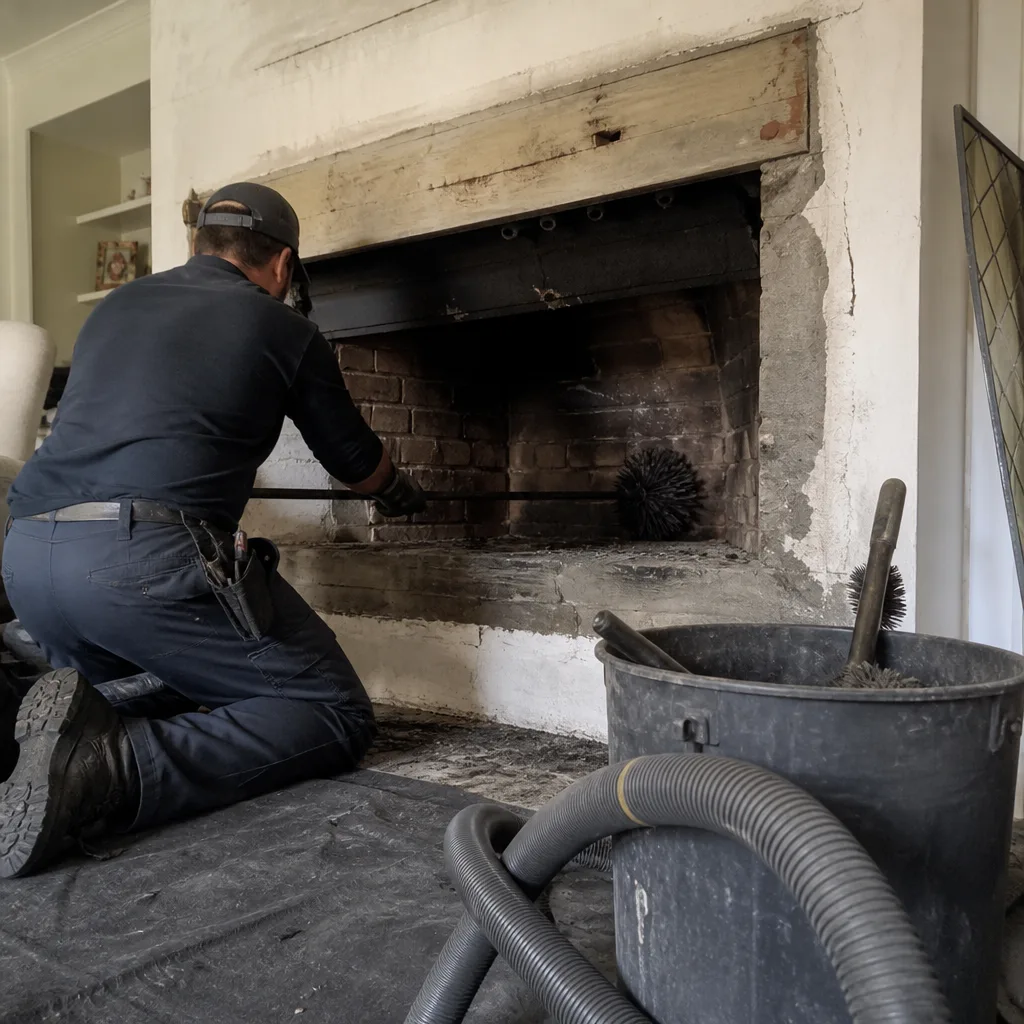 Before
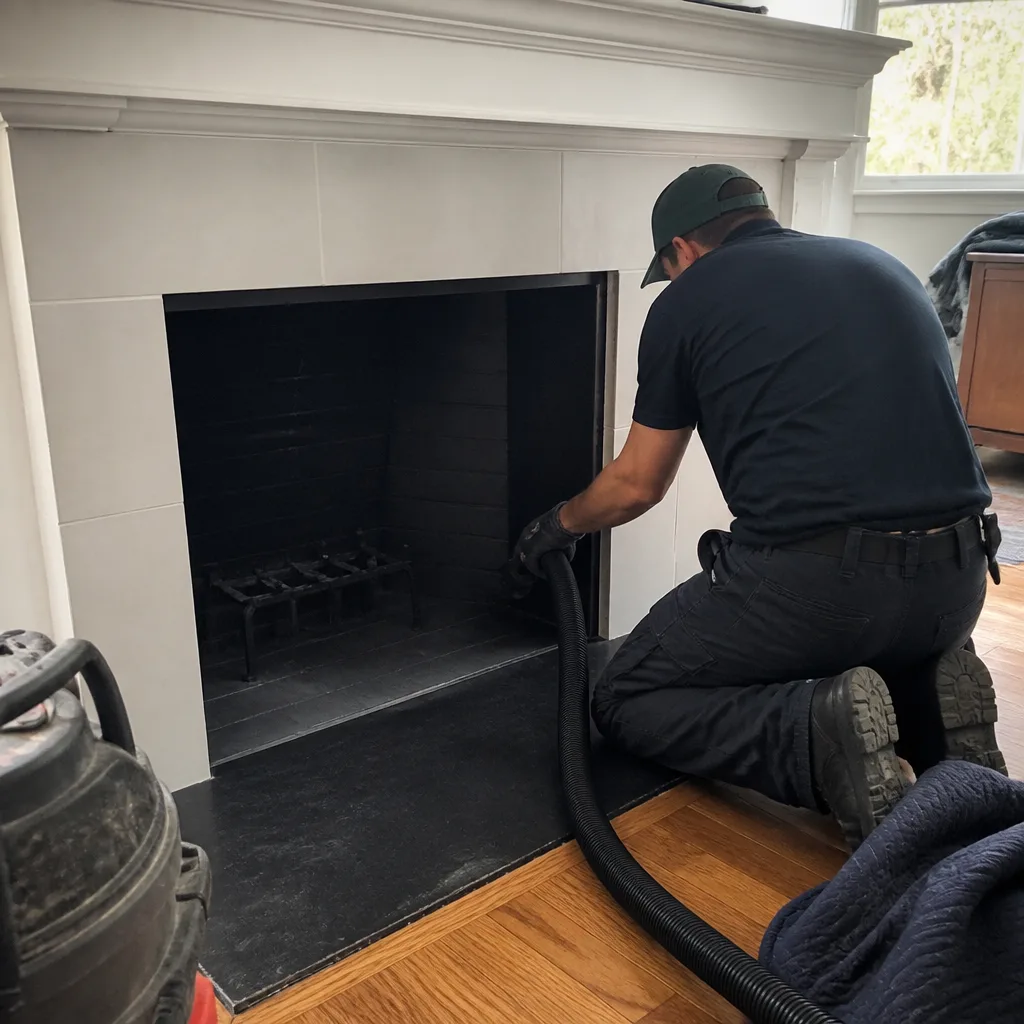 After
After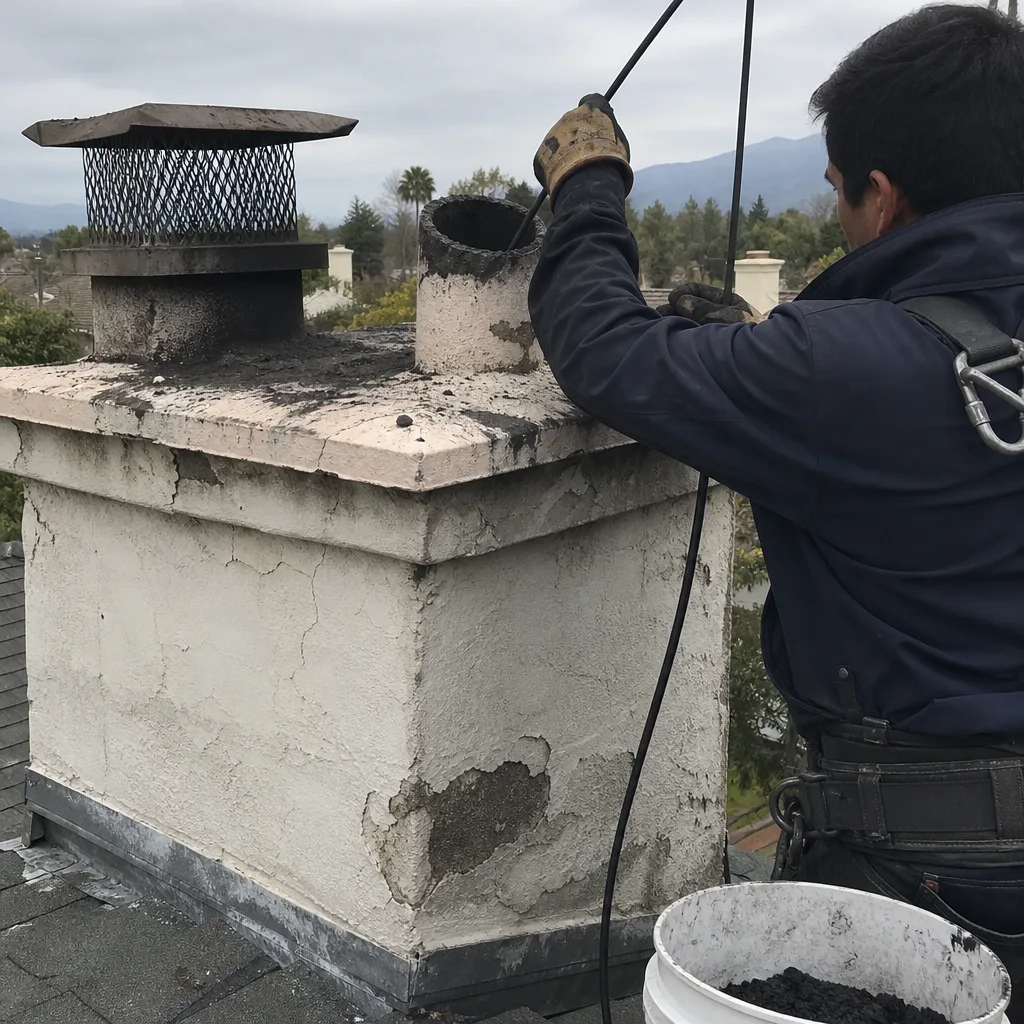 Before
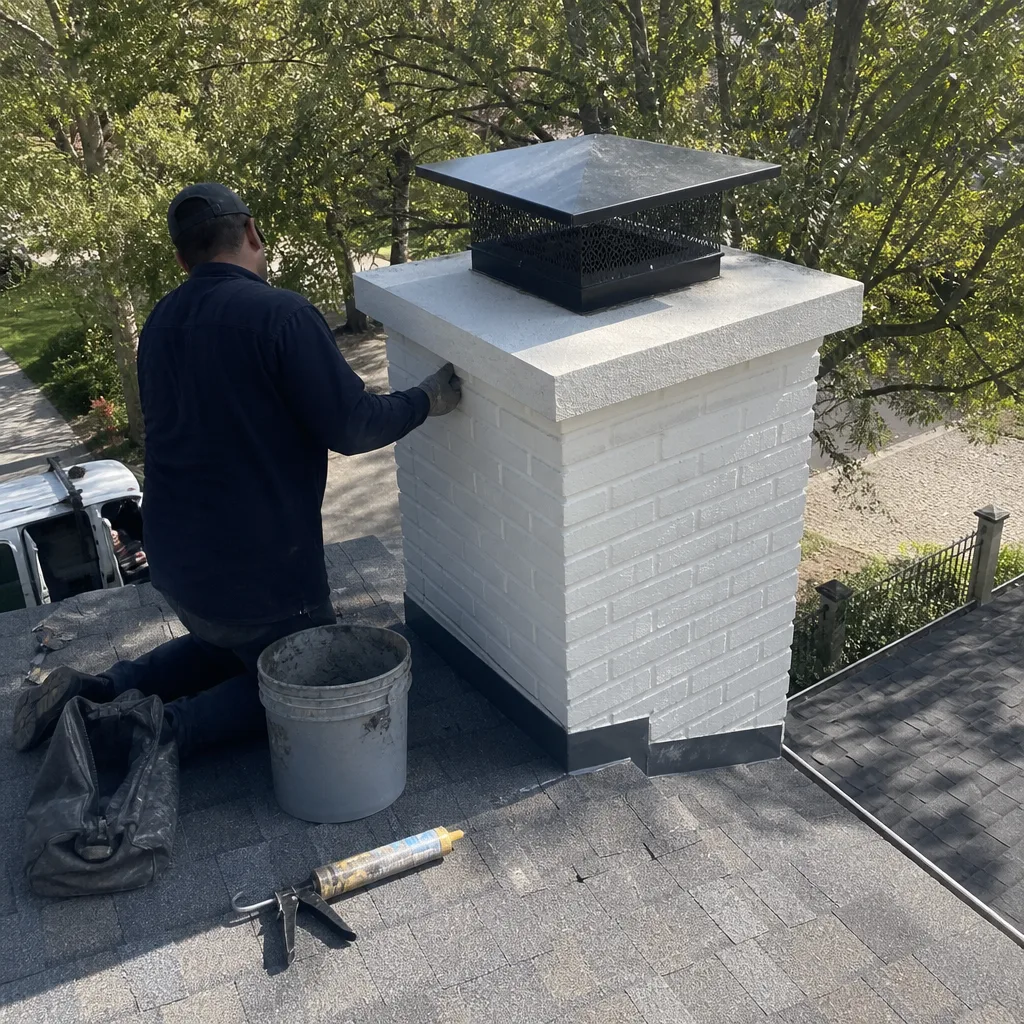 After
After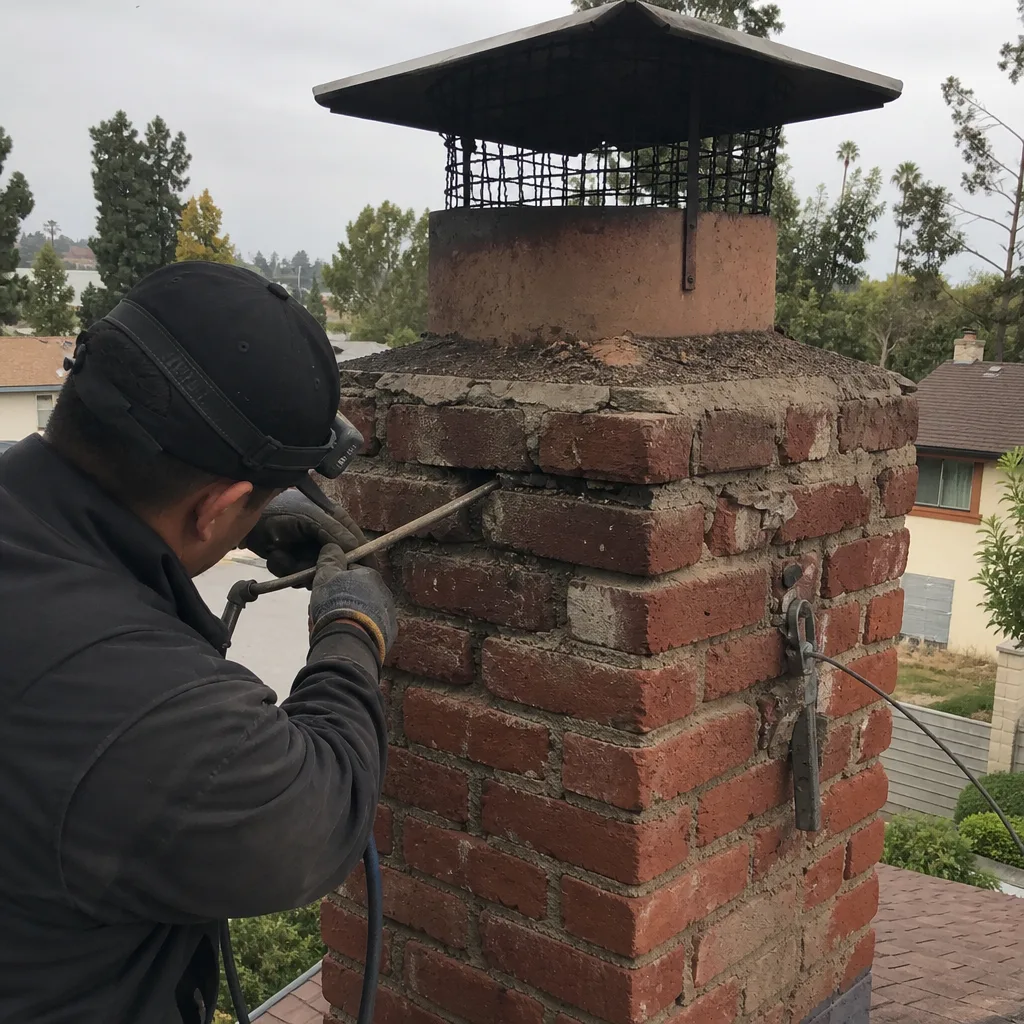 Before
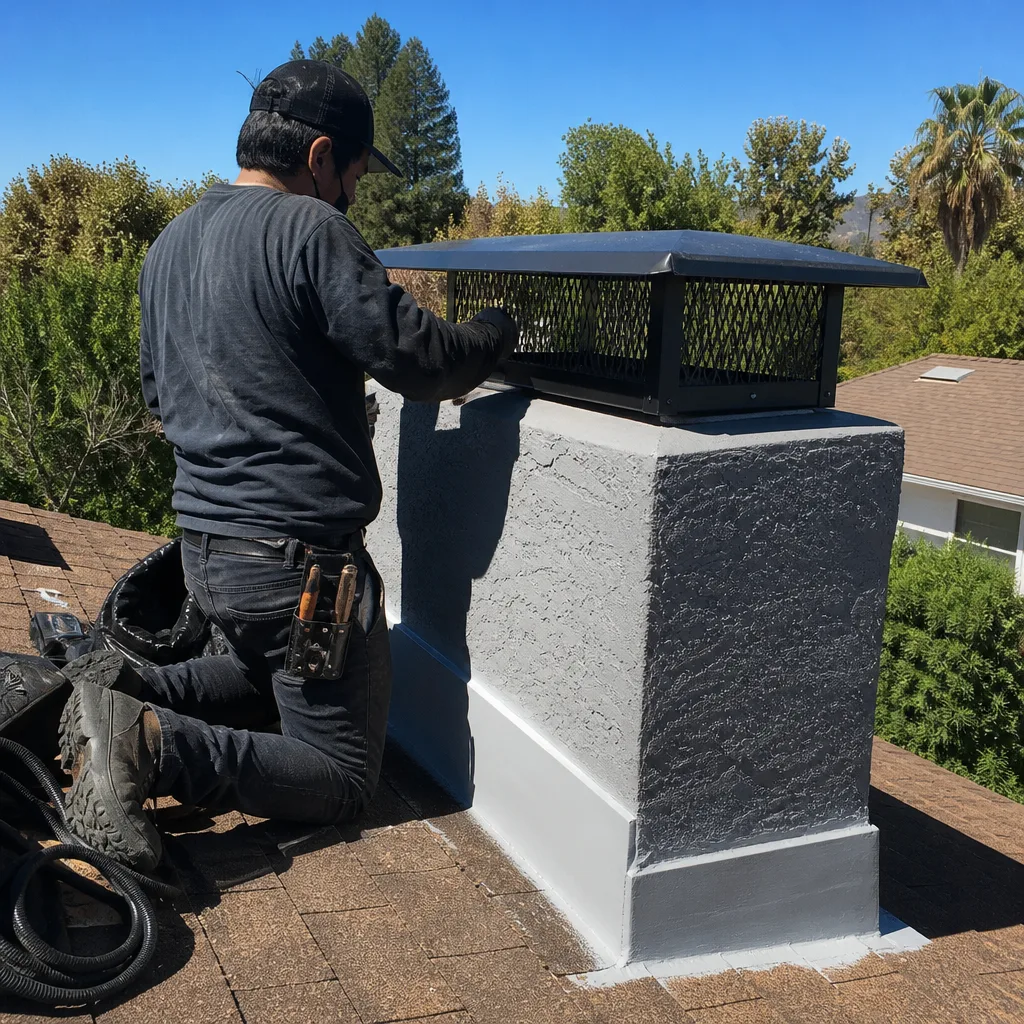 After
After