
Last updated October 15, 2026
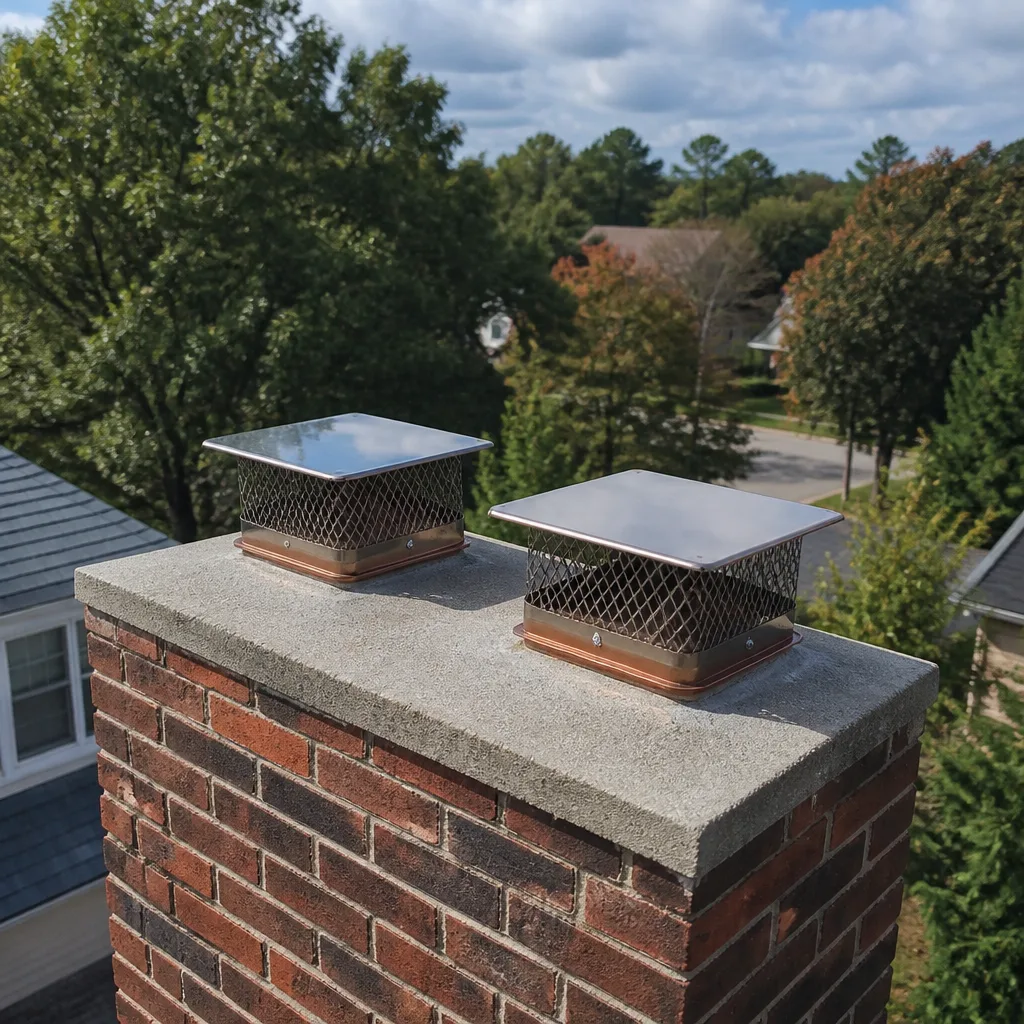 Sweep & inspection
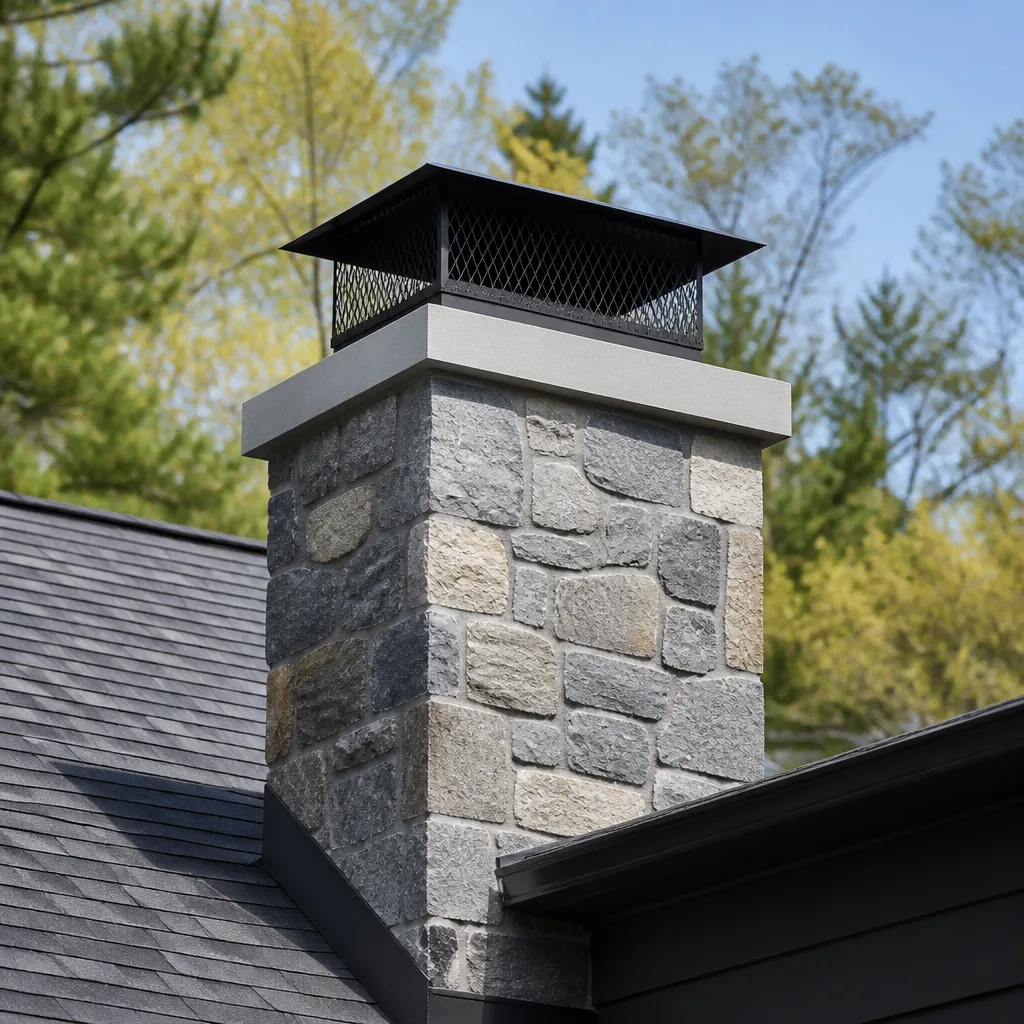 Caps & crowns
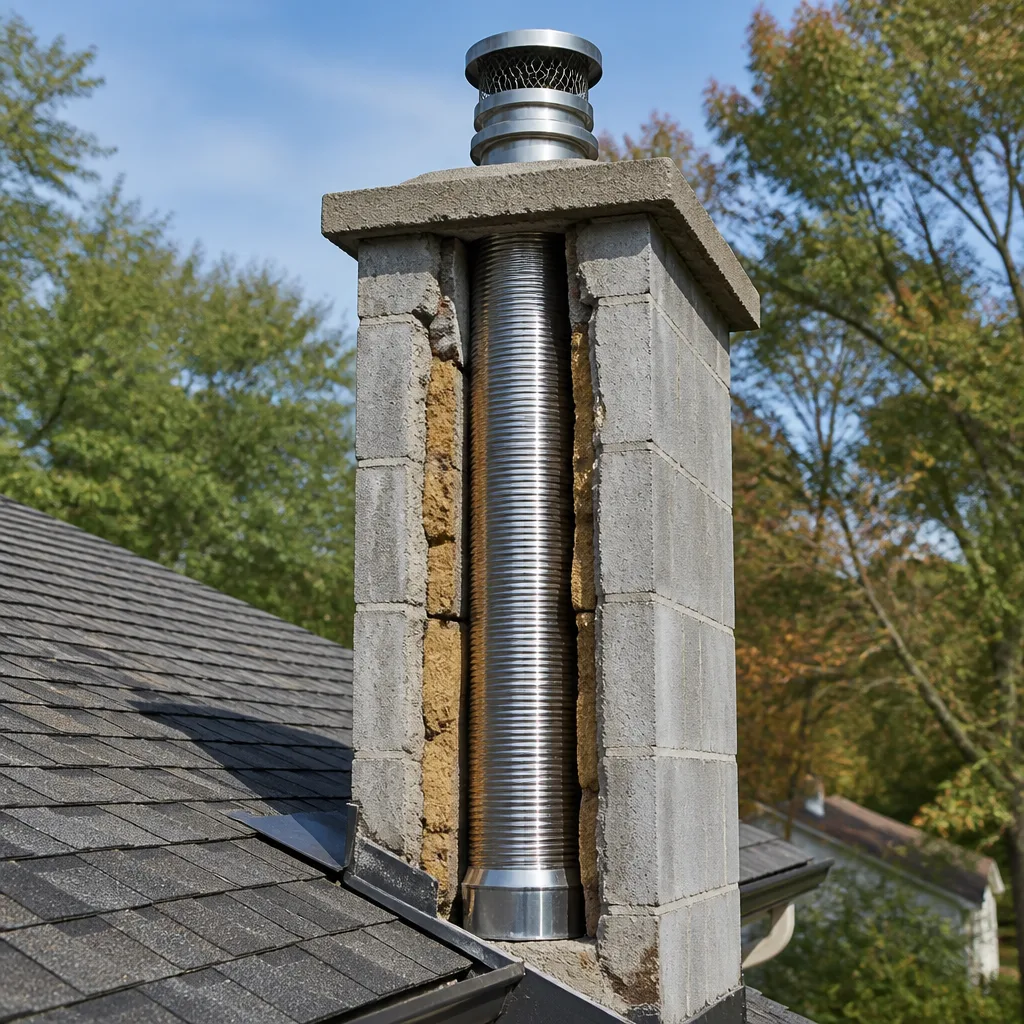 Flue relining
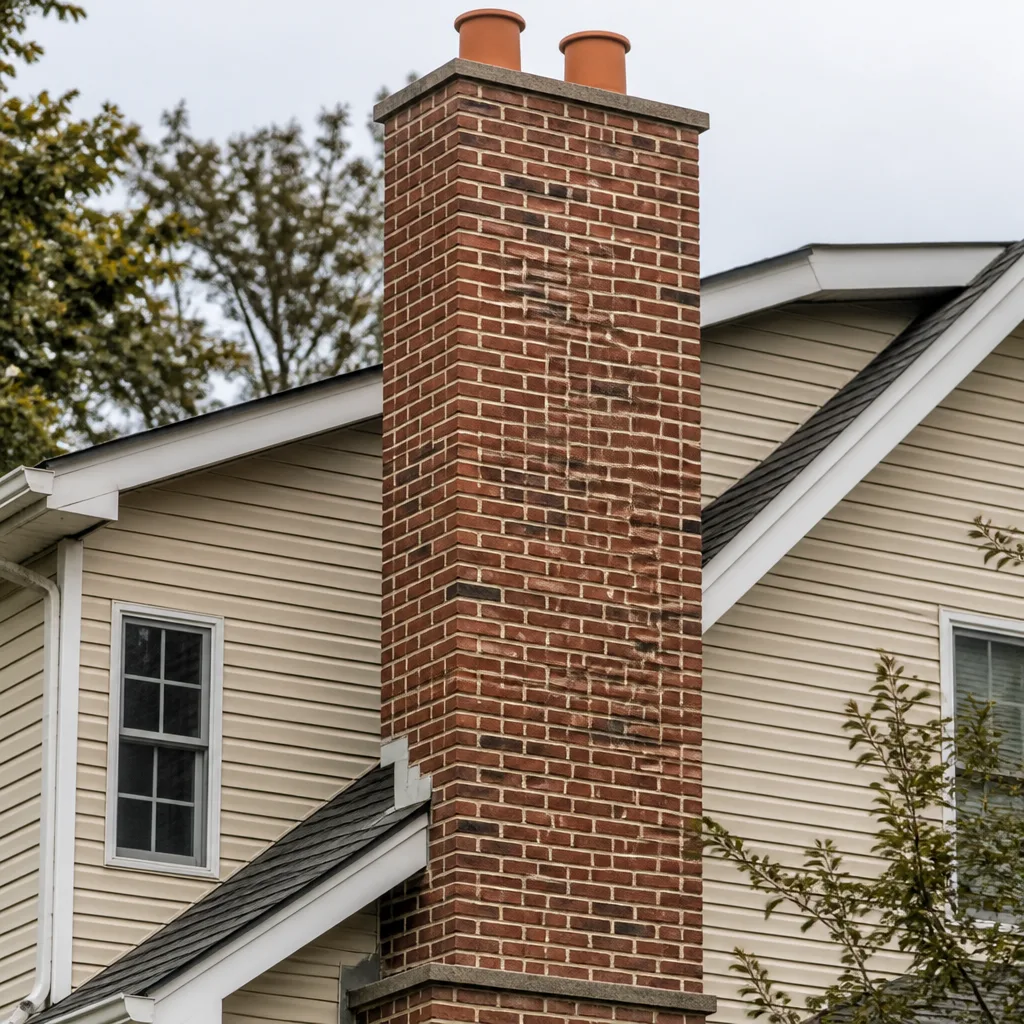 Masonry repair
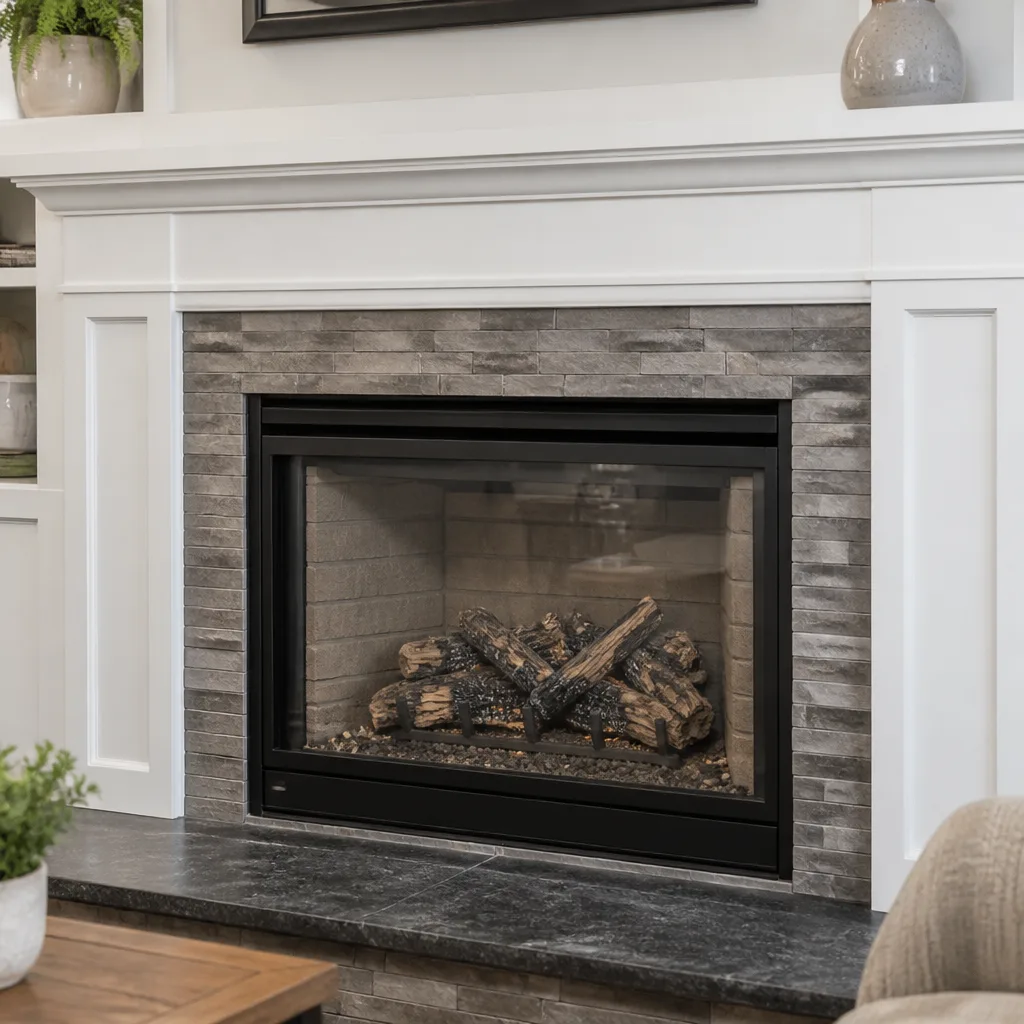 Gas fireplace service
Level 1 sweep and inspection to the NFPA 211 annual standard - flue, crown, cap, and flashing checked and photographed
Chimney sweep logs do not sweep chimneys. They loosen some creosote - which then falls where a brush and vacuum still have to collect it.
Chimney Sweep Maintenance Checklist for Pasadena Homeowners
Most chimney checklists say “inspect the damper for damage.” This one tells you exactly what damaged looks like: a damper that won’t seat flat, one that moves but doesn’t seal, and one corroded enough that the metal flakes when you press it. By the time you finish reading, you’ll know which of the seven things on this list you can check yourself, which ones need Chimney Sweep services in Pasadena, and what to write down so the record follows your house when you sell it.
Quick Answer
A complete chimney maintenance checklist for a Pasadena homeowner covers seven items: cap, crown, mortar joints, damper, firebox floor, smoke shelf visibility, and record-keeping. A standard sweep and inspection in Pasadena typically runs $180 to $340, and you should walk through the visual checks below every fall before burning season starts, then after any Santa Ana wind event that drops heavy debris.
Styles & brands we work with
Table of Contents
- 1. The Cap: What Pass/Fail Actually Looks Like
- 2. The Crown: Hairline Cracks vs. Structural Failure
- 3. Mortar Joints: When the Brickwork Is Talking to You
- 4. The Damper: Three Specific Ways It Fails
- 5. The Firebox Floor: Firebrick, Gaps, and What Flaking Means
- 6. The Smoke Shelf: What You Can See From the Opening
- 7. Creosote Grades: Know What You’re Looking At
- 8. Pasadena-Specific Triggers: Santa Anas, Eucalyptus, and Efflorescence
- 9. The Record-Keeping Format That Survives a Home Sale
- 10. Who Does What: Homeowner, Sweep, or General Contractor
1. The Cap: What Pass/Fail Actually Looks Like
The cap is the metal or masonry lid at the top of the chimney. Its job is straightforward: keep rain, animals, and debris out while letting smoke out. In Pasadena, the cap does more work than most homeowners realize because of eucalyptus trees. Those narrow leaves drop constantly, and during Santa Ana wind events they get driven sideways into cap screens at high speed.
Here’s how to check it. You don’t need to climb on the roof. Stand in the yard with binoculars, or take a photo with your phone from a second-story window and zoom in.
Pass: The cap sits level. The screen mesh is intact with no holes larger than half an inch. No visible rust flaking off. You can see daylight through the mesh (meaning airflow isn’t blocked).
Fail: The cap is tilted. The screen is bowed outward or sagging, which happens when wind-driven debris piles up on one side. The mesh is clogged with eucalyptus leaves, ash, or old nesting material. Rust has eaten through any part of the metal. If you see any of these, the cap needs cleaning or replacement before you burn.
A blocked cap screen is the single most common airflow problem we see in Pasadena, and the fix is usually quick. But if the cap itself is rusted through, you’re looking at replacement with a professional-grade unit. We install Olympia Chimney caps on most Pasadena homes because they hold up to the combination of coastal moisture and wind-driven debris better than budget models.
2. The Crown: Hairline Cracks vs. Structural Failure
The crown is the concrete slab that sits on top of the chimney, sealing the gap between the flue liner and the outer brick. It sheds water away from the chimney. A failing crown is the leading cause of internal water damage in Pasadena chimneys, and here’s the counterintuitive part: the damage happens mostly during our rare heavy rain events, not during the dry season.
Pass: The crown surface is smooth with no visible cracks. Water would run off the edge. The crown overhangs the brick by at least an inch on all sides.
Fail: You see hairline cracks that form a spiderweb pattern across the surface. These are bad but manageable. You see a crack wider than a quarter inch, or a chunk of concrete missing from the edge. Those are structural. You see a crown with no overhang, which means water runs directly down the brick face during rain.
In our experience serving Pasadena since 2002, we’ve found that crowns poured too thin or without proper expansion joints fail within ten years. A crown repair done correctly restores the overhang and seals the surface. If you catch the hairline stage, a crown sealer can buy you a few years. If you’re at the structural stage, the crown needs to be rebuilt. This is chimney repair work in Pasadena that a qualified sweep should handle, not a general handyman job.
3. Mortar Joints: When the Brickwork Is Talking to You
Mortar is the sacrificial material between bricks. It’s designed to wear down before the brick does. In Pasadena, the mortar takes a beating from temperature swings: hot days, cold nights, and the occasional heavy rain that soaks into porous brick and expands.
Pass: Mortar joints are flush with the brick face. Run a flat-head screwdriver lightly across a joint at ground level (you can reach the lower courses). It should feel solid, not sandy.
Fail: You can press the screwdriver tip into the mortar and it crumbles. You see joints that are recessed more than a quarter inch. You see white, chalky deposits on the brick below certain joints. That last one is efflorescence, and in Pasadena it most often appears after unusual heavy rain. It tells you water is traveling through the masonry and dissolving salts out of the mortar.
Crumbling mortar is repairable with a process called repointing, where the old mortar is ground out and replaced. It’s not urgent the way a cracked flue liner is, but it gets worse the longer you wait. The bricks themselves rarely fail in Pasadena’s climate. It’s almost always the mortar.
4. The Damper: Three Specific Ways It Fails
The damper is the metal plate inside the chimney, just above the firebox, that opens to let smoke out and closes to keep cold air (and animals) from coming down. Most checklists tell you to “check the damper.” Here’s what that actually means.
Test one: the seal. Close the damper. Shine a flashlight up from the firebox. Can you see daylight through the edges? If yes, the damper isn’t seating flat. That means heated air from your house is escaping up the chimney all winter, and in Pasadena where winter temperatures dip into the 40s, that’s real money.
Test two: the movement. Open and close the damper using the handle or chain. It should move freely through its full range and hold position when you let go. If it’s stiff, it’s rusted. If it flops, the linkage is worn.
Test three: the metal condition. Press a finger against the damper plate (when it’s cool). Does the metal flake? Does rust come off on your hand? A damper that flakes is nearing the end of its service life. It will eventually fail to seal entirely, or worse, break off in the open position and block the flue when you try to close it.
A failed damper is usually a replacement job. We install Famco dampers in Pasadena because they age well and the cast metal resists the corrosion that kills cheap dampers within a few seasons.
One point worth stressing: don’t ever try to replace a damper yourself. The springs and linkages are under tension inside a tight space, and if a damper plate falls while you’re underneath it, the injury is serious. This is a professional repair.
5. The Firebox Floor: Firebrick, Gaps, and What Flaking Means
The firebox is where the fire burns. It’s lined with firebrick, which is a specialized refractory brick designed to hold up against direct flame and thermal expansion. Regular brick pops and spalls under fire heat. Firebrick doesn’t.
Get down on one knee with a flashlight and look at the floor of the firebox, then the side walls, then the back wall. Do this before your first fire of the season.
Pass: The firebrick surface is smooth and intact. The mortar lines between firebricks are thin and solid. When you run your hand across the brick, nothing flakes off.
Fail: You see gaps between firebricks wider than the edge of a quarter. Heat escapes through those gaps and reaches the structural brick behind the firebox, which is not designed for direct flame. You see firebrick that is cracked through, not just surface-line cracked. You see bricks that have turned white or gray. That’s spalling, which means the brick has been overheated and is starting to break down.
Firebox damage is not something to shrug off. A fire burning against compromised firebrick can transfer heat to the surrounding framing. We’ve repaired fireboxes in Pasadena homes where homeowners burned for years with cracked firebrick and didn’t know until the chimney inspection in Pasadena found charring behind the firebox wall. That’s a structure fire waiting for the right conditions.
Firebox repair usually means replacing damaged firebrick with heat-resistant mortar. It’s a contained job when caught early. When it’s not, the repair expands to the fireplace surround.
6. The Smoke Shelf: What You Can See From the Opening
The smoke shelf is the flat area just above the firebox, behind the damper. It catches falling debris and helps direct smoke up into the flue. No homeowner is going to inspect the smoke shelf fully without a professional camera, but you can see part of it from the firebox opening.
Lie on your back with your head inside the firebox (after you’ve laid down a drop cloth, because you’re going to get covered in soot) and shine a flashlight up behind the damper. You’re looking at the smoke shelf.
Pass: You see a thin layer of dust. Maybe a few small flakes. Nothing else.
Fail: You see a pile of debris more than an inch deep. You see nesting material, which could mean birds or rodents have gotten in. You see a thick, shiny black coating. That’s heavy creosote, and it’s been building up behind the damper where it never gets burned off.
The smoke shelf is where creosote accumulation hides. Even if the rest of your chimney looks fine, the smoke shelf can be loaded. When a chimney fire starts, it often starts here because the fuel has been accumulating out of sight. A professional chimney sweep in Pasadena reaches this area with specialized brushes and vacuums. If your smoke shelf shows anything beyond a light dusting, book a sweep before you burn.
7. Creosote Grades: Know What You’re Looking At
Creosote is the tar and carbon residue that condenses on chimney walls when wood smoke cools before it exits. It’s your primary fire hazard because it’s flammable. Not all creosote is equal, and knowing which grade you’re looking at tells you how urgent a sweep is.
First-degree creosote: Looks like dust or powder, gray or light brown, brushes off easily with a fingernail. Reach up into the firebox opening and scrape a small area (when the fireplace is cold). If what comes off is dusty and flaky, this is first-degree. It’s normal buildup. A standard sweep removes it, and if this is what you have, you’re likely on an annual schedule.
Second-degree creosote: Looks like flaky tar, shiny black patches, hard to scrape off with a fingernail. This is farther along. It means the smoke is cooling too much in the flue, usually from burning unseasoned wood or running the fire too cool. Second-degree creosote often needs rotary cleaning with professional tools, not just a standard brush.
Third-degree creosote: Looks like a hard, glossy glaze, almost like black glass, coating the flue walls. This is a serious condition. It can’t be brushed off. It’s a baked-on fuel load that changes the fire dynamics of your chimney. Removing third-degree creosote typically requires chemical treatment combined with rotary cleaning, and in some cases the liner itself needs attention.
Why this matters in Pasadena: a lot of homes here have fireplaces that get used only a few months of the year, which sounds like it would mean less creosote. The opposite is true. Short, infrequent fires burn cool because the chimney never gets fully warm, and cool fires deposit more creosote than hot ones. We see second-degree creosote regularly in Pasadena fireplaces that are used only on the coldest nights.
If you’re seeing second-degree or third-degree buildup in the firebox opening, the flue above is worse. Call for a sweep. You’re not cleaning this off with a hardware store log. Those creosote-sweeping logs are for maintaining a clean chimney between professional sweeps, not for removing an existing fuel load.
8. Pasadena-Specific Triggers: Santa Anas, Eucalyptus, and Efflorescence
Pasadena’s climate creates three maintenance triggers that generic checklists don’t mention. Here they are, with the specific conditions that should send you back to this checklist.
After a Santa Ana wind event: Check the cap screen and the smoke shelf. Santa Anas drive dry air and debris at high speed from the northeast. Eucalyptus bark and leaves, crepe myrtle crumbles, ash, and dust get forced into cap screens. If you burn under those conditions, you risk restricted draw and smoke backup. Walk through the cap check within a day or two after any Santa Ana with gusts over 40 miles per hour.
Eucalyptus debris year-round: Pasadena’s eucalyptus trees are beautiful and relentless. Their debris is small, narrow, and wind-driven, which means it finds its way into chimneys even with a cap in place. The screen on a standard cap has holes big enough for a eucalyptus leaf to slip through sideways. If you have eucalyptus within 100 feet of your chimney, check the smoke shelf twice a year instead of once.
Efflorescence after heavy rain: Pasadena gets most of its rain in a handful of heavy events. After a two-day rain, check the chimney brick for white, chalky deposits. That’s efflorescence, and it’s a signal that water is soaking into the masonry and pulling salts to the surface. One round of efflorescence is a warning. Repeated rounds mean the crown or the flashing is failing and water is getting into places it shouldn’t. Catch it early and the fix is sealer. Catch it late and you’re looking at repointing or crown rebuild.
These three triggers are why a Pasadena-specific checklist matters. A generic chimney checklist from a national site doesn’t know about Santa Anas. It doesn’t know eucalyptus leaves are small enough to defeat a standard cap screen. It doesn’t tell you when to look for efflorescence. This one does.
9. The Record-Keeping Format That Survives a Home Sale
When you sell a house in Pasadena, the buyer’s home inspector is going to look at the chimney. They’ll note what they can see from the top and from the firebox. What they won’t have is history. That’s where your record-keeping comes in, and it’s the single strongest piece of evidence you can produce when a buyer asks “has this chimney been maintained?”
Here’s the format to use. Keep it simple, keep it consistent, and keep it with the house documentation.
- Date of each sweep or inspection: Write it down even if the finding is “no issues.”
- What was found: One or two sentences. “Second-degree creosote in smoke shelf, cleared.” “Hairline crack in crown, sealed.” “No issues.”
- Who did the work: Name the company and the technician. In our case, that’s Flint Chimney Co Pasadena, and you’ll always know which technician was dispatched because they’re uniformed and we put it in writing.
- What was done: “Rotary sweep.” “Crown sealer applied.” “Damper replaced with Famco unit.”
- What guarantee was issued: This is the one most homeowners skip, and it’s the one that matters most. If a repair was done, write down the guarantee terms. Our repairs carry a written one-year guarantee, and if a covered repair fails within that year, we come back at no charge. That piece of paper is gold at a home sale.
A buyer who sees a running record of maintenance, with dates and findings, stops worrying about the chimney. A buyer who hears “we’ve lived here for 12 years and I think we had it cleaned once” starts negotiating. The record is the difference.
10. Who Does What: Homeowner, Sweep, or General Contractor
One source of confusion in chimney maintenance is knowing which tasks are yours, which belong to a chimney sweep, and which require a general contractor. Here’s the dividing line.
Homeowner walk-around (you can do this safely, from the ground or the firebox):
- Binocular check of the cap and crown for visible damage
- Ground-level mortar joint inspection on the lower brick courses
- Damper seal, movement, and flaking check from the firebox
- Firebox floor and wall inspection for cracked or spalled firebrick
- Smoke shelf visibility check (what you can see from the opening)
- Creosote grade assessment from the firebox opening
- Efflorescence check after heavy rain
Licensed chimney sweep (flue access, cleaning, and safety-critical repairs):
- Full flue cleaning and creosote removal, including third-degree treatment
- Full smoke shelf access and cleaning with professional equipment
- Flue liner inspection and relining, including DuraFlex or HeatShield systems
- Damper replacement (tension-spring hazard, as noted above)
- Crown repair or rebuild
- Firebox reconstruction
- Any repair that carries a written guarantee
General contractor (structural or adjacent work):
- Flashing replacement where the chimney meets the roof (often a roofer’s job)
- Masonry rebuilding that extends beyond the chimney into the house structure
- Full chimney tear-down and rebuild
The wrong person on the wrong task costs you more than money. A handyman who repoints a chimney is doing a sweep’s job without the guarantee. A sweep doing roofing flashing work is out of scope. Match the work to the trade.
Common Mistakes to Avoid
- Skipping the smoke shelf. Most Pasadena homeowners check the firebox and call it good. The smoke shelf is where creosote hides, and it’s the most common location for buildup that went unnoticed.
- Burning the creosote-sweeping log instead of getting a sweep. Those logs are maintenance between professional cleanings. They don’t remove existing second or third-degree buildup, and burning one into a loaded chimney is asking for trouble.
- Ignoring efflorescence because “it’s just salt.” One round after heavy rain is a warning. Repeated rounds mean water is getting in and the source needs to be found.
- Running the wrong fuel. Burning unseasoned wood, or wood that’s been sitting uncovered during Pasadena’s winter rain, creates cool, smoky fires and heavy creosote. Burn seasoned hardwood and keep it covered.
- Not writing anything down. A chimney with an unrecorded maintenance history is a chimney with no maintenance history at sale time. The record is worth more than the sweep.
- Waiting until you can see a problem from the living room. By the time you see smoke backing up or a crack in the firebox from ten feet away, the repair has already gotten expensive. The checklist is a before-burning-season ritual, not an after-problem response.
- Hiring on price instead of guarantee. The cheapest sweep in Pasadena is cheap for a reason. Ask what happens if the repair fails in six months. Our answer is a written one-year guarantee and a free return visit. Most low-bid operators can’t say the same.
See the difference
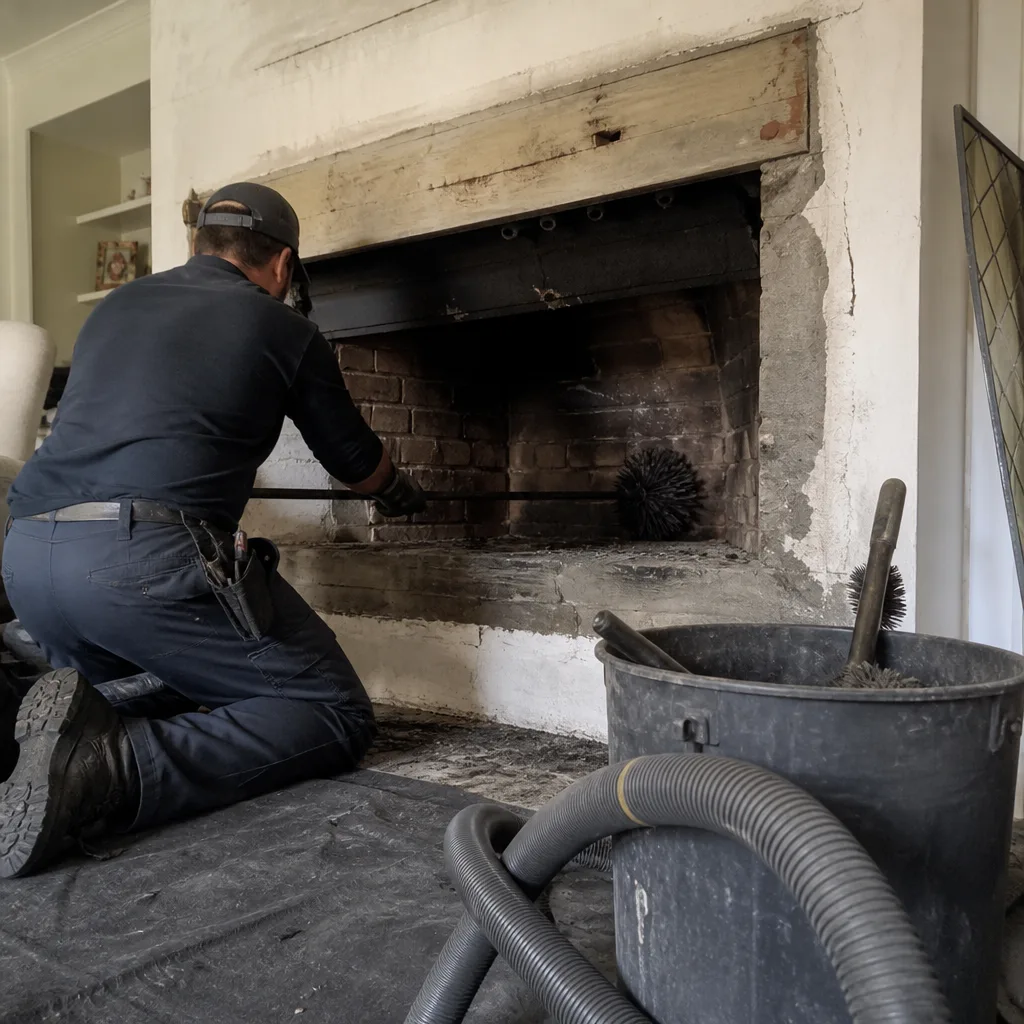 Before
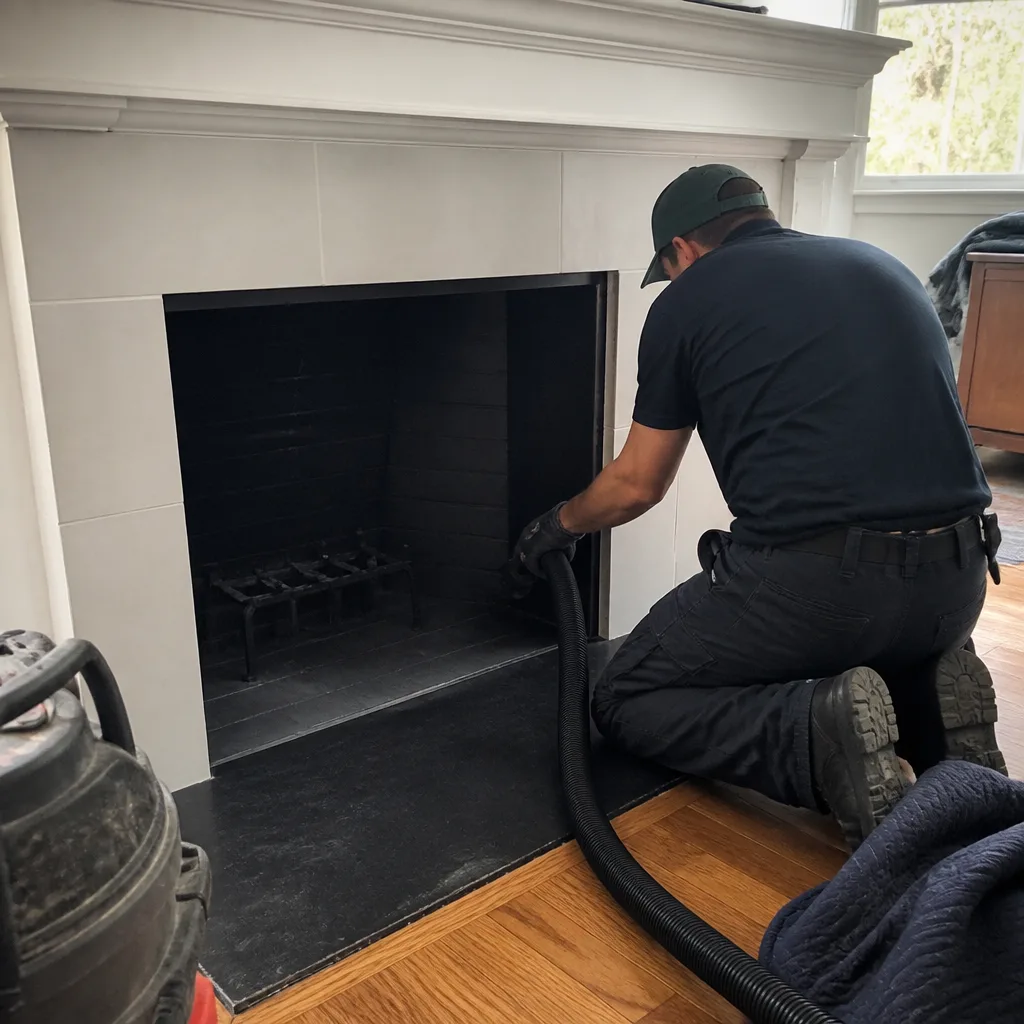 After
After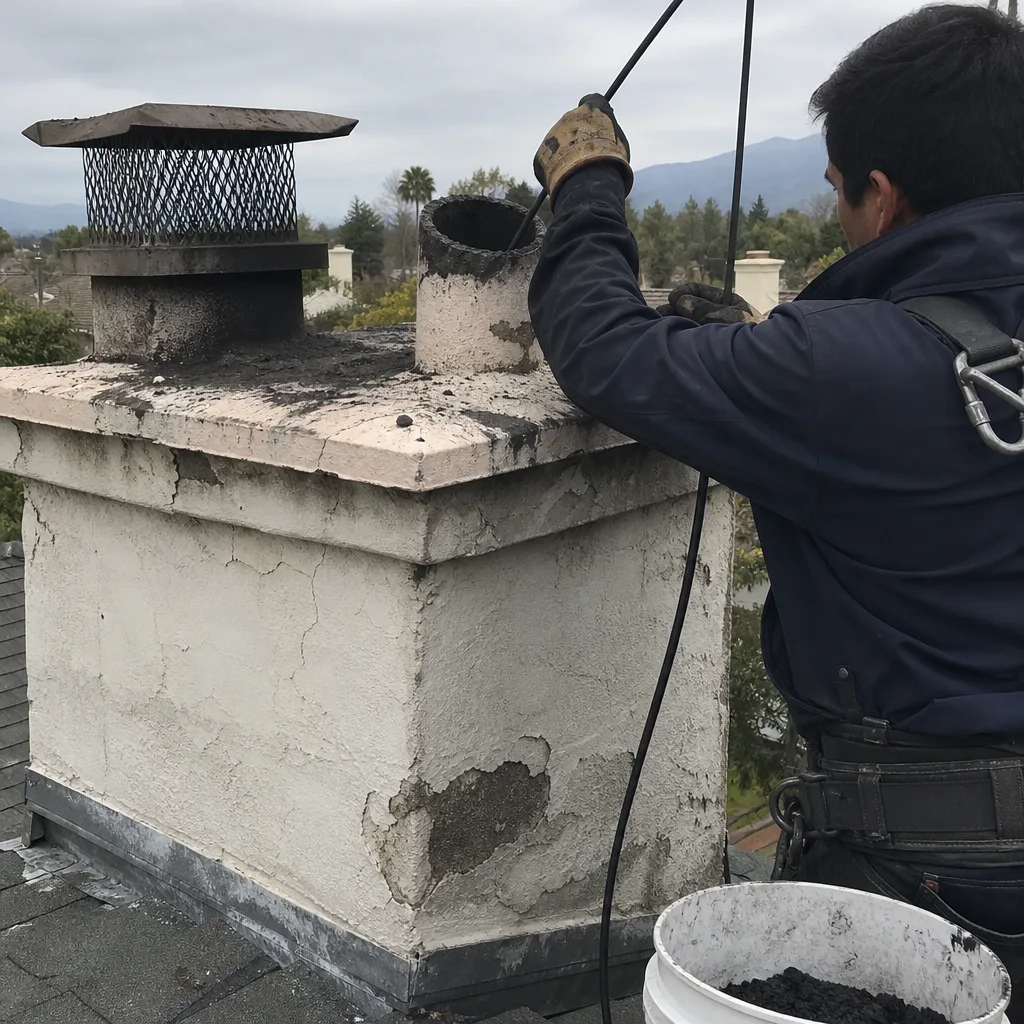 Before
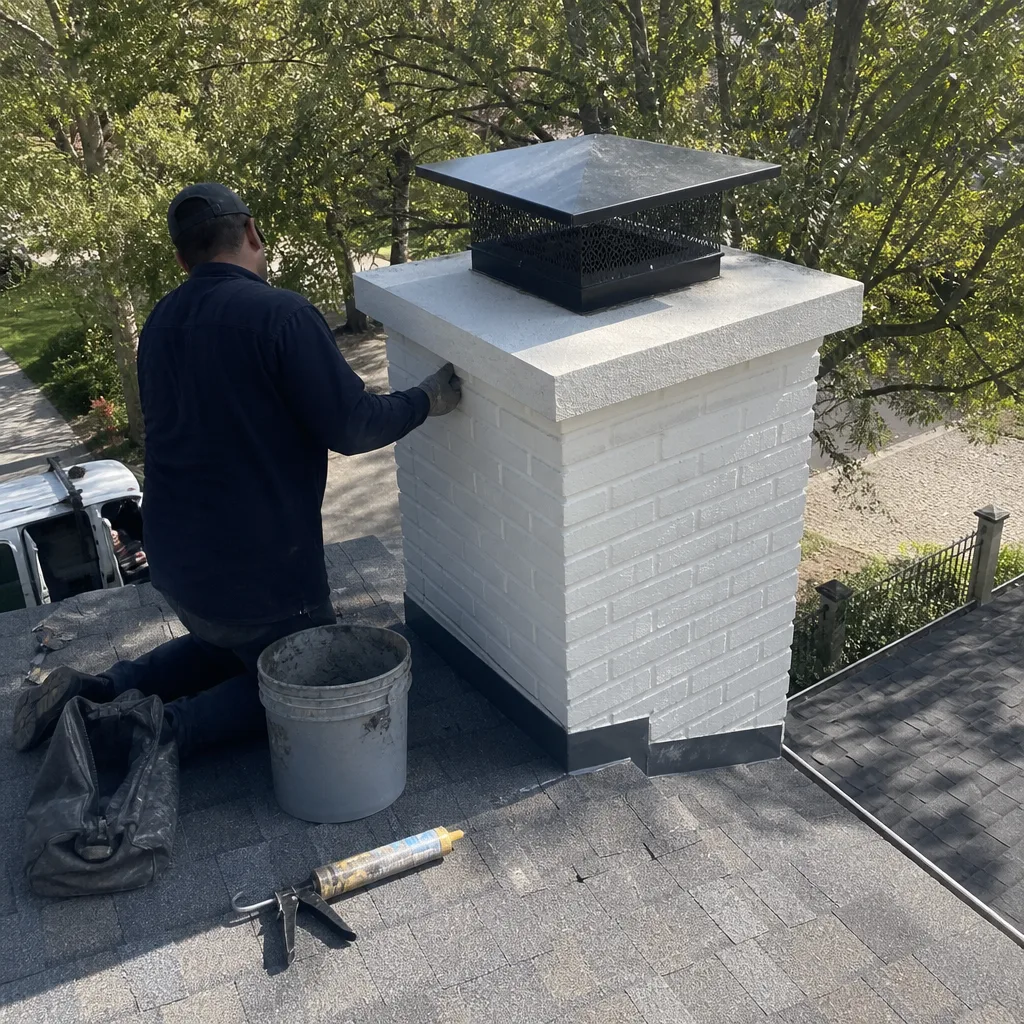 After
After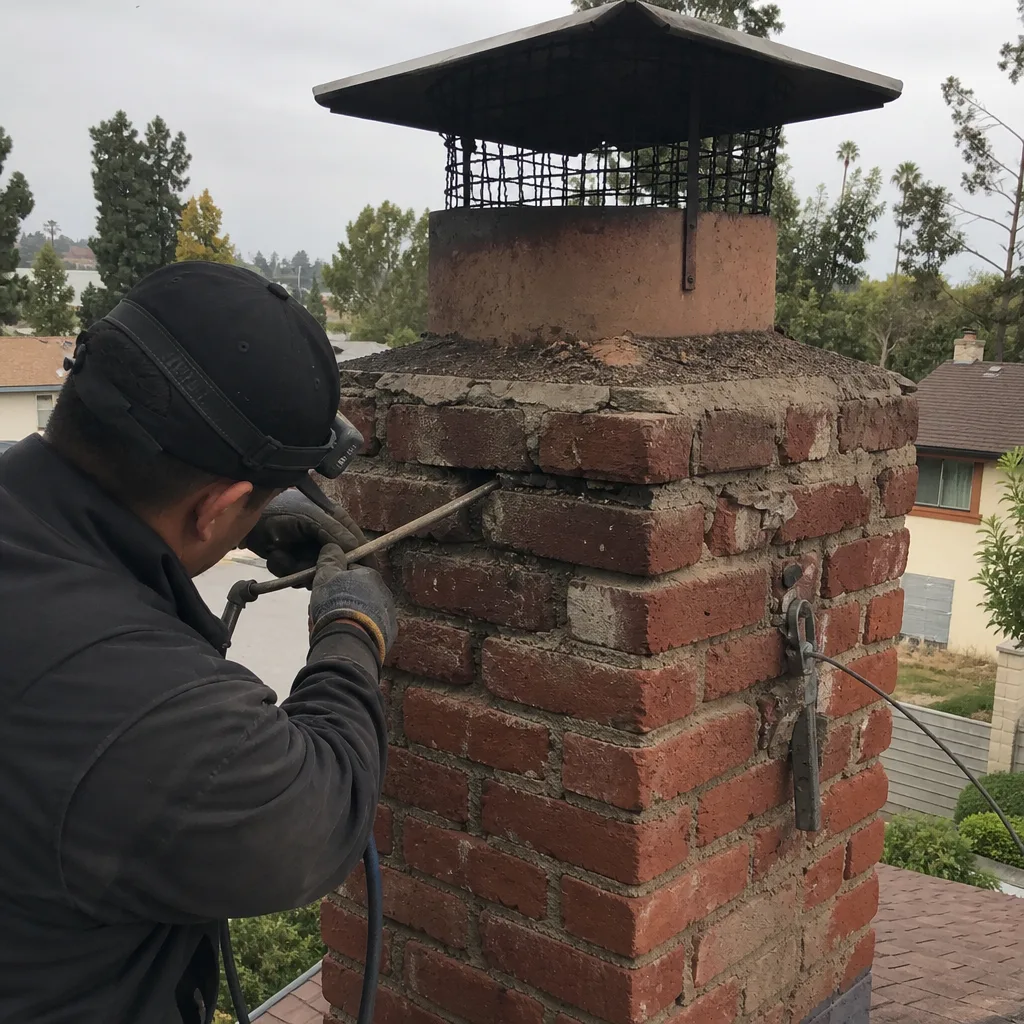 Before
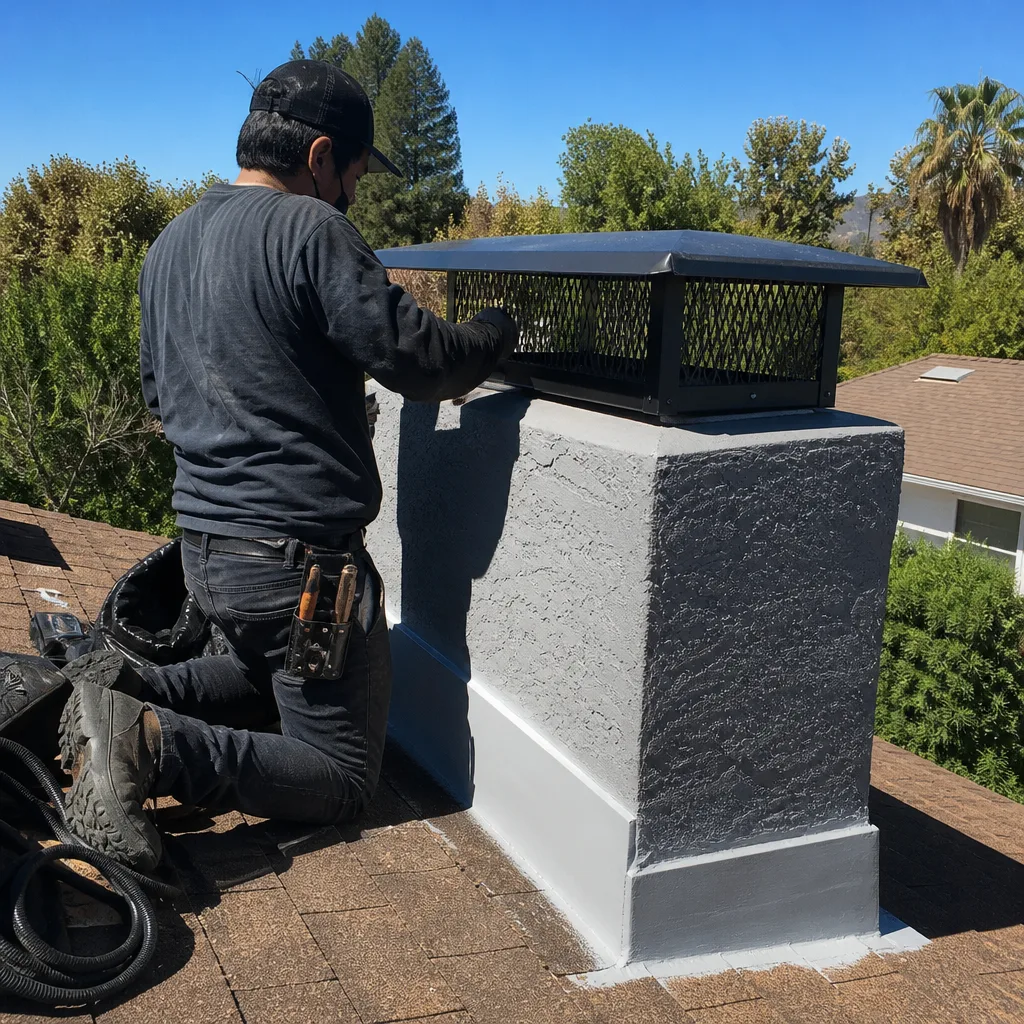 After
AfterWhen to Call a Professional
Call a professional when your walk-around turns up any fail item on this checklist: a blocked cap screen, a rusted-through cap, a crown with structural cracks, mortar that crumbles under light pressure, a damper that won’t seal, firebrick that’s cracked or spalled, a smoke shelf loaded with debris, or creosote that’s shiny, flaky, or glazed. Call also if you’ve skipped maintenance for more than two years and you’re not sure what you’re looking at. Flint Chimney Co Pasadena offers free estimates to Pasadena homeowners, with a written price before any work starts and a live person on the phone around the clock. Call (626) 657-5513.
Frequently Asked Questions
A standard chimney sweep in Pasadena typically runs $180 to $340, depending on the chimney’s condition and the level of creosote buildup. The price is lower for a clean chimney on a regular schedule, and higher when the smoke shelf and flue have heavy buildup that requires rotary cleaning. At Flint Chimney Co Pasadena, every sweep gets a written price before any work starts, so the number you approve is the number you pay. Call (626) 657-5513 for an exact estimate.
Sweep your chimney once a year if you burn regularly, and schedule the sweep in the fall before burning season starts. If you burn only occasionally, every two years is usually sufficient, but check the smoke shelf annually because short, cool fires deposit creosote faster than sustained hot fires. Homes with eucalyptus trees nearby should check the cap screen and smoke shelf twice a year regardless of burn frequency.
The short answer is that creosote builds up on the flue walls and smoke shelf, and creosote is fuel. A chimney fire burns hot enough to crack the flue liner and transfer heat to surrounding framing through the brick. In the less dramatic case, air flow gets restricted by debris and buildup, smoke backs up into the house, and you’re breathing carbon monoxide and particulates. In the more dramatic case, you have a fire inside your chimney chasing through whatever gaps have opened in the masonry. Most Pasadena chimney damage we see was preventable with a $180 to $340 sweep.
You need a new liner when the existing one is cracked, spalled, or separated at the joints, because a compromised liner no longer contains the heat and gases the way it’s designed to. If a camera inspection shows cracks or gaps, the fix is relining, usually with a DuraFlex stainless steel liner or a HeatShield resurfacing system. If the camera shows a solid liner with only creosote buildup, you need a sweep, not a relining. No one should recommend a liner replacement without showing you the camera footage. Call (626) 657-5513 to schedule an inspection with camera documentation.
Yes. Every check in this guide except the full flue inspection can be done from the ground with binoculars or from inside the firebox with a flashlight. The cap, crown, and upper mortar joints are visible from the yard. The damper, firebox, and smoke shelf are accessible from inside. What you can’t do from the ground is inspect the full flue liner, which requires camera equipment and professional access. That’s the one piece of the checklist that belongs to a chimney inspection in Pasadena.
At Flint Chimney Co Pasadena, every repair carries a written one-year guarantee. If a covered repair fails within that year, we return and make it right at no charge. The guarantee document specifies what work was performed, what materials were used, and what’s covered. Most chimney companies in Pasadena don’t put failure terms in writing at all. Ours is called the 365-Day Done Right Promise, and it’s part of The Garrison Standard, the operating code followed by every Garrison Partners location. If a repair fails, you call, we come back, and there’s no argument about it.
The Bottom Line
A useful chimney maintenance checklist tells you what to look for, and that’s what you now have: seven components, each with specific pass/fail criteria you can evaluate from the ground or the firebox, plus Pasadena-specific triggers that generic checklists miss, and a record-keeping format that protects you at home sale. Run through the checklist before burning season each fall. Call a professional for any fail item, or for the flue inspection you can’t do from the ground. The work isn’t expensive when it’s caught early. The repairs get expensive only when the checklist has been ignored for years. Flint Chimney Co Pasadena offers free estimates throughout Pasadena at (626) 657-5513.
Written by Hank Delano, Owner at Flint Chimney Co Pasadena, serving Pasadena since 2002.