
Last updated October 15, 2026
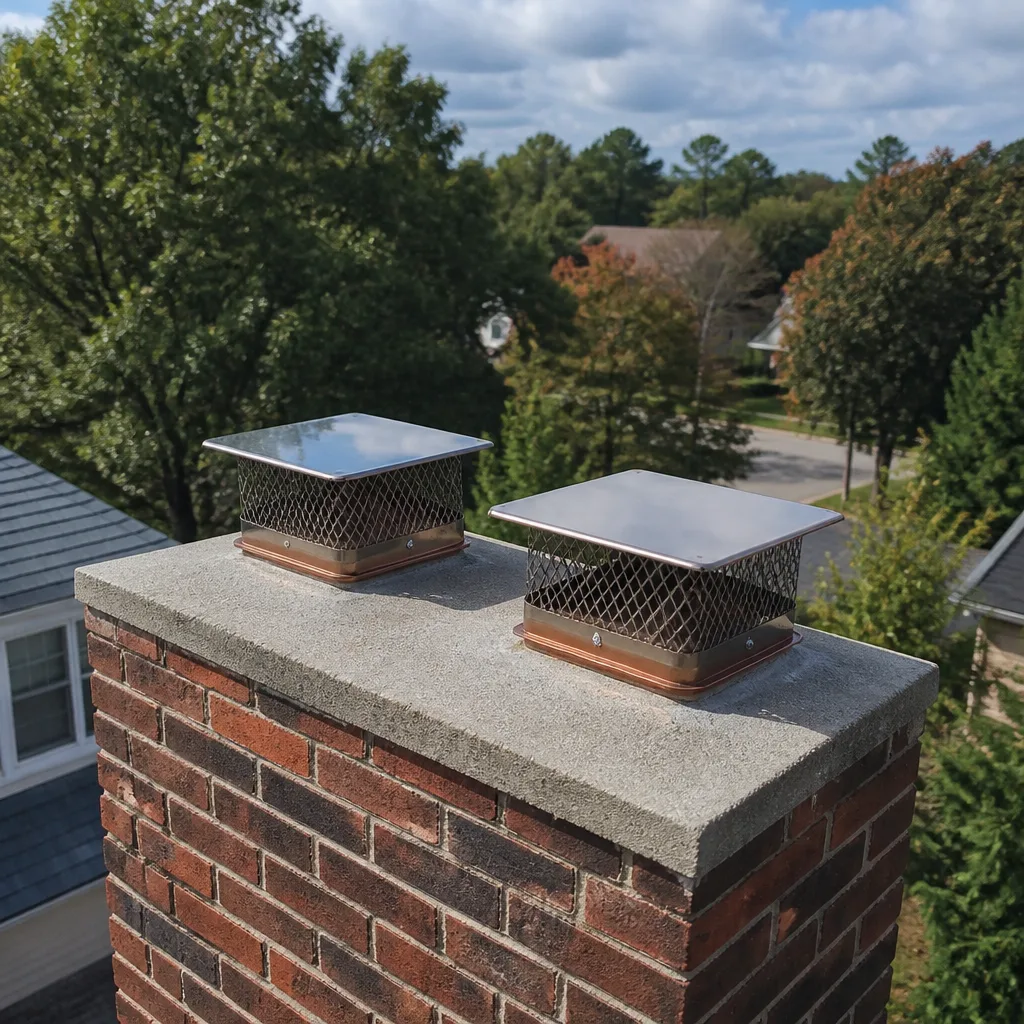 Sweep & inspection
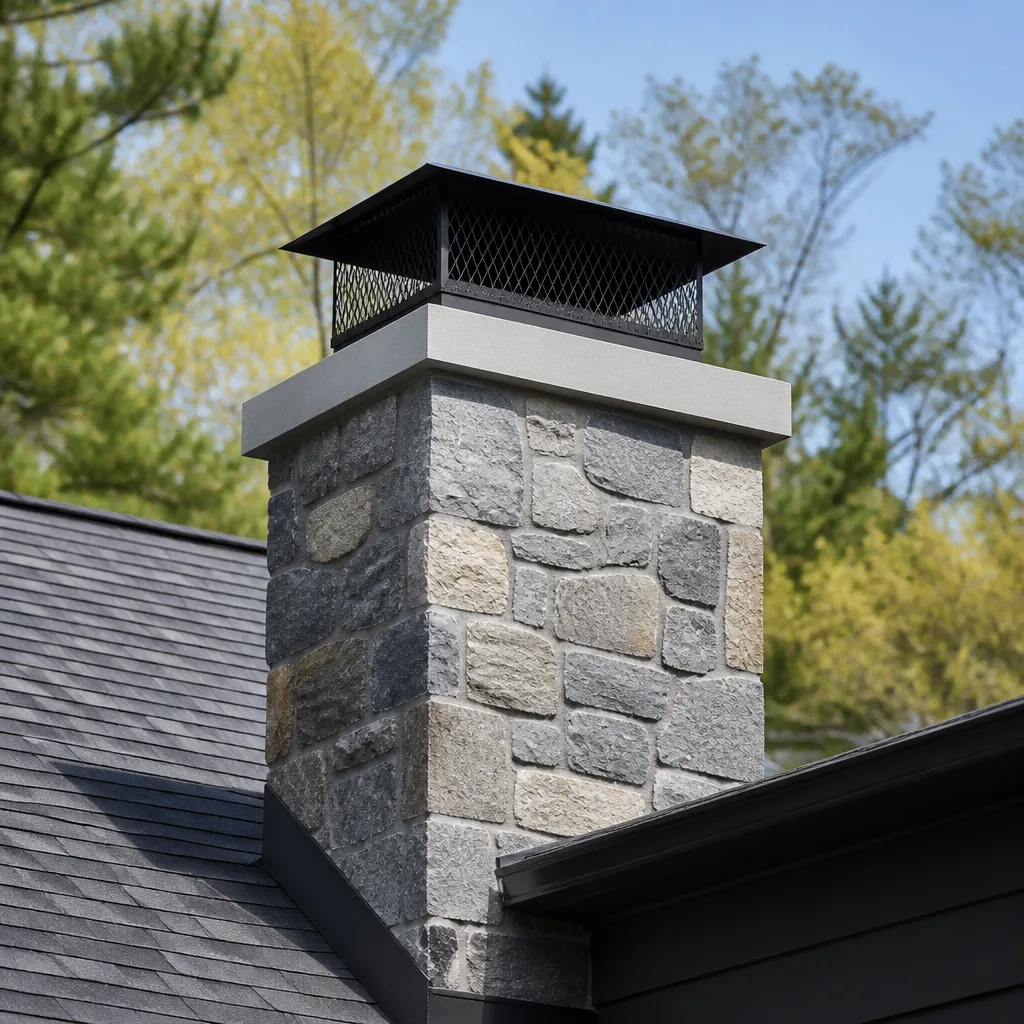 Caps & crowns
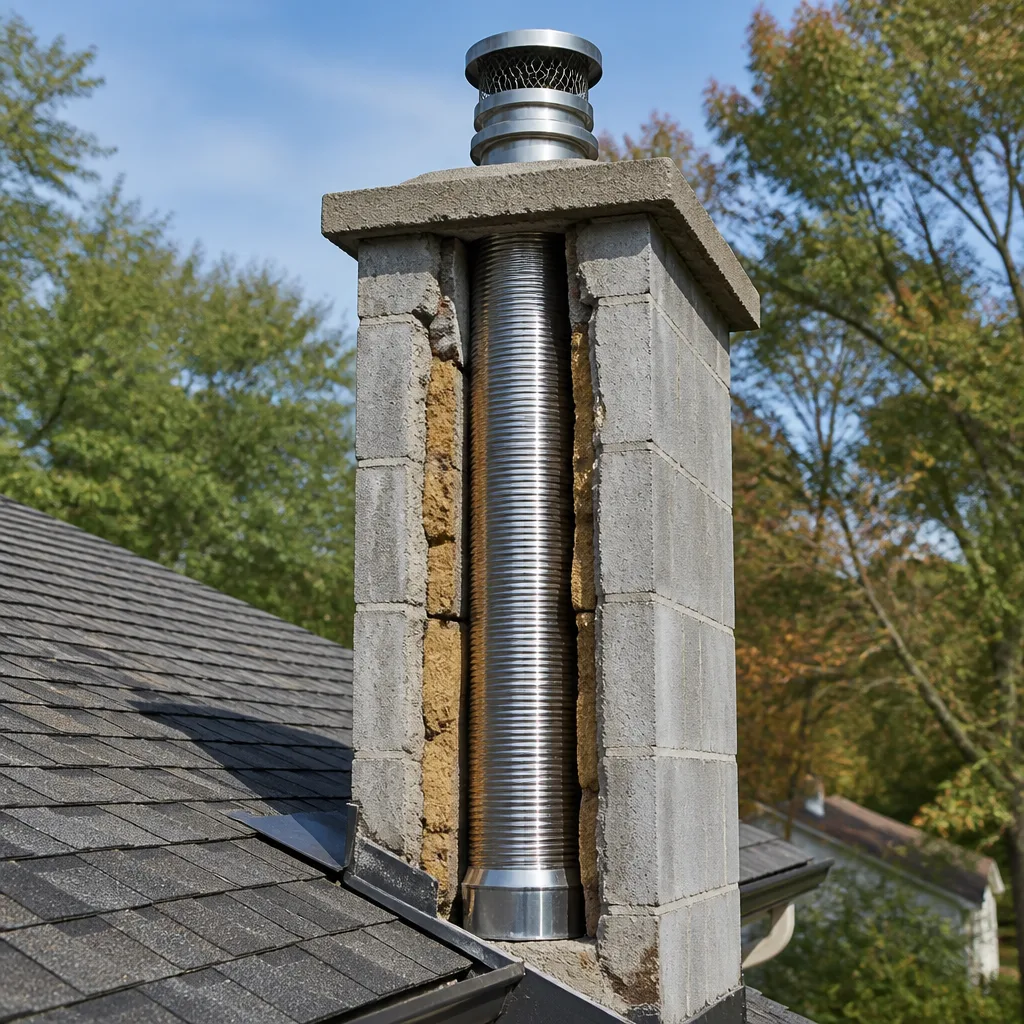 Flue relining
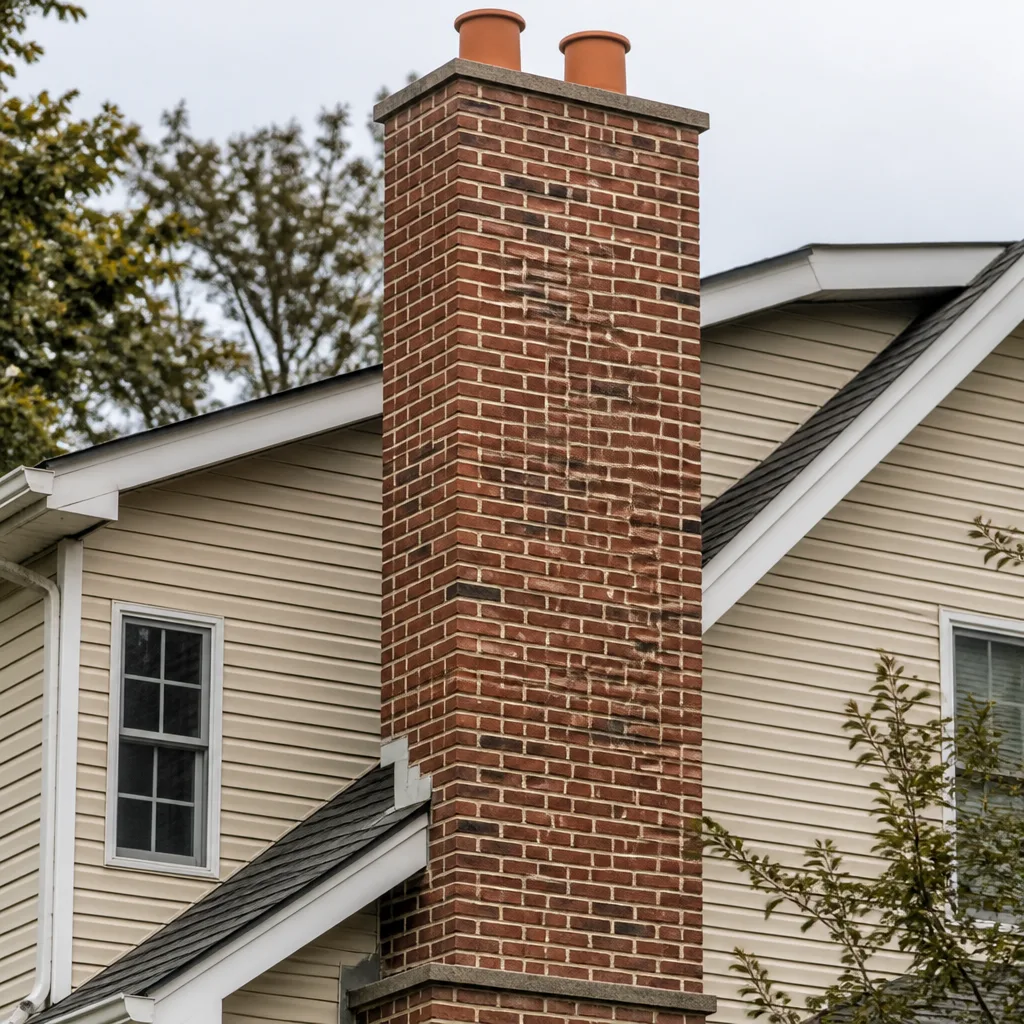 Masonry repair
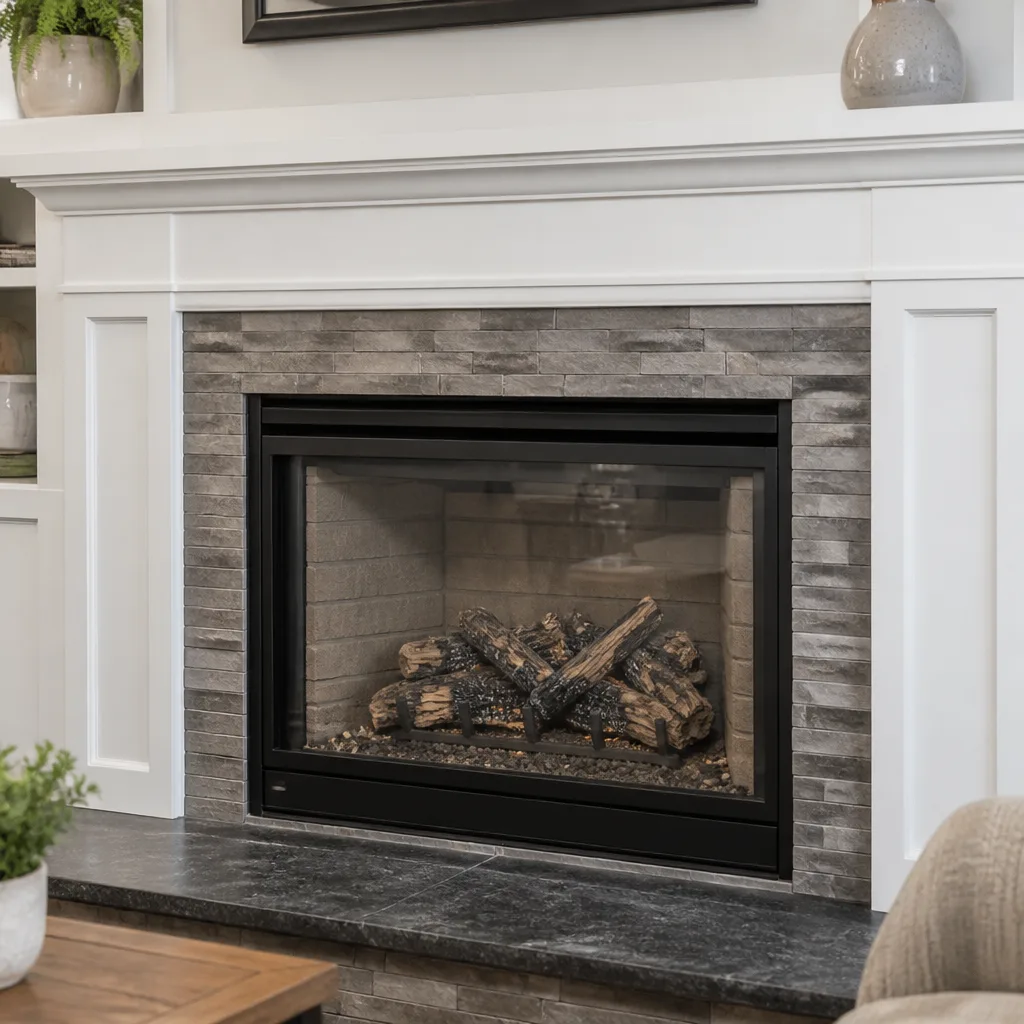 Gas fireplace service
Level 1 sweep and inspection to the NFPA 211 annual standard - flue, crown, cap, and flashing checked and photographed
Chimney sweep logs do not sweep chimneys. They loosen some creosote - which then falls where a brush and vacuum still have to collect it.
How to Hire a Chimney Cleaning Contractor in Pasadena: A Step-by-Step Guide
California does not license chimney sweeps. The state requires contractors who build, alter, or repair structures to hold a contractor’s license from the Contractors State License Board, but chimney sweeping and inspection exist in a gray zone many homeowners never discover until something goes wrong. That means when you hire someone to clean your chimney in Pasadena, the only legally enforceable protection you have is whatever that company puts in writing before the job starts. This guide walks through the entire hiring process, step by step, so you know exactly what to ask, what to verify, and what a legitimate written estimate in Pasadena should contain. For more guides & resources on chimney care, see our blog.
Styles & brands we work with
Quick Answer
To hire a chimney cleaning contractor in Pasadena, start by verifying CSIA certification and general liability coverage through independent databases, not the contractor’s website. Request a written estimate that itemizes the scope, locks the price before work begins, and states guarantee terms in plain language. Never accept a verbal quote, because California offers no state-level chimney sweep licensing to fall back on if the work is done poorly.
Table of Contents
- Why Pasadena Homeowners Need a Different Hiring Process
- Step 1: Verify Certification and Insurance Before You Call
- Step 2: Know What a Legitimate Written Estimate Must Contain
- Step 3: Ask These Questions Before Scheduling
- Step 4: Compare Estimates Line by Line
- Step 5: Red Flags Specific to the Chimney Trade
- Step 6: What Happens on the Day of the Job
- Common Mistakes to Avoid
- When to Call a Professional
- Frequently Asked Questions
- The Bottom Line
Why Pasadena Homeowners Need a Different Hiring Process
Pasadena’s housing stock runs older than most Southern California cities. Craftsman bungalows from the 1910s and 1920s line the streets of Bungalow Heaven and Madison Heights, and many of those homes still have their original masonry chimneys. Unreinforced brick chimneys from that era are especially vulnerable to earthquake damage, and Pasadena sits in a seismically active zone. After any significant seismic event, mortar joints can crack, flue tiles can shift, and the chimney structure can separate from the house. A cleaning contractor working in Pasadena has to understand these local conditions, not just run a brush up the flue.
We’ve worked on chimneys across Pasadena since 2002, and the homes we see in neighborhoods like San Rafael and Linda Vista tell us the same thing: most chimneys here have not been inspected in years, and many have creosote buildup from decades of wood burning during the cooler winter months. Pasadena’s winter evenings drop into the 40s, and fireplaces in older homes get real use from November through February. That creosote is the primary fire risk, and it’s the reason a cleaning is not optional maintenance but a safety measure.
The hiring process matters more in Pasadena than in cities with newer housing stock because the stakes are higher. An older chimney is more likely to reveal hidden damage during a cleaning, and that is exactly when an unscrupulous contractor will inflate the scope. A homeowner who accepted a verbal price for a “basic sweep” has no standing to dispute a $4,000 relining quote delivered after the fact. A homeowner with a written scope knows exactly what was covered, what was found, and what additional work would cost before approving it.
For a full overview of what a proper chimney cleaning involves in this area, see our guide to Chimney Sweep in Pasadena.
Step 1: Verify Certification and Insurance Before You Call
Most homeowners check a contractor’s website and accept what it says. That is a mistake. A website is a marketing document, and no contractor in Pasadena is going to publish “not actually certified” on their About page. Verification has to happen through independent sources, and it takes about fifteen minutes.
CSIA certification. The Chimney Safety Institute of America maintains a public directory of certified sweeps at csia.org. You can search by name or company. A certified sweep has passed a written examination covering fire codes, clearances, construction, and safety practices, and must recertify every three years through continuing education or re-examination. If a contractor claims CSIA certification but does not appear in the directory, ask why. If the answer is vague, move on.
General liability insurance. In California, general liability coverage is not a state-issued license but a commercial insurance policy. Any contractor working on your property should carry at least $500,000 in general liability coverage, and most legitimate operations carry $1 million or more. Ask for a certificate of insurance naming you as the certificate holder. Then call the insurance agency listed on the certificate to verify the policy is active. This takes ten minutes and closes the most common gap between what a contractor says and what is true.
Workers’ compensation. California law requires workers’ compensation insurance for any business with employees, even a single employee. If a worker is injured on your property and the contractor lacks workers’ comp coverage, you can be held liable for medical costs through your homeowner’s insurance. Ask for the workers’ comp policy number and verify it with the insurer. Contractors who use subcontractors should be able to show coverage for those subcontractors as well.
CSLB license. While chimney sweeping alone may not require a contractor’s license, any structural repair work, including masonry rebuilds and some liner installations, does. The Contractors State License Board maintains a public database at cslb.ca.gov. Search for the company name or license number. If a contractor is going to perform repair work beyond cleaning, they should hold an active license, and the CSLB database will show any complaints, citations, or license suspensions. A clean record there is a minimum standard, not a bonus.
We recommend doing all of this verification before you make the first phone call. It is easier to rule out a bad contractor when you have not yet heard their sales pitch.
Step 2: Know What a Legitimate Written Estimate Must Contain
The central argument of this guide is that the hiring process ends, not begins, with a signed document. A verbal quote is worth the paper it is not printed on. Here is what a legitimate written estimate from a Pasadena chimney contractor must include:
- Itemized scope of work. Every task listed separately: sweep the flue, inspect the firebox, check the damper, evaluate the crown, photograph the interior. Vague language like “full chimney service” is not a scope. It is a placeholder that lets the contractor define the job however they want after the fact.
- Price locked before work begins. The number on the written estimate should be the number on the invoice. No “unexpected complications” clauses that allow price increases without a new written approval. If the scope changes during the job because hidden damage is discovered, that is a new written approval, not an automatic charge.
- Guarantee terms in plain language. What is covered, for how long, and what happens if the work fails. At Flint Chimney Co Pasadena, every repair carries a written guarantee valid for one full year from the service date. If a covered repair fails within that year, we return at no charge. That is the standard to compare against.
- A named point of contact. The estimate should include the name of a real person responsible for the job. If there is a dispute, you should know exactly who to call. A company that will not name a person is a company that does not want to be held accountable.
- Material specifications. If the job involves repair work, the estimate should name the products being used. We specify professional-grade materials by job, including DuraFlex for relining, Gelco for crown repair, and Olympia Chimney for caps and dampers. A contractor who writes “new liner” without naming the product is asking you to trust an unspecified material.
- Photo documentation commitment. The estimate should state that the contractor will provide photos of any recommended repair. Nothing gets recommended without camera evidence you can see for yourself. This is non-negotiable, and we will return to it below.
A written estimate that lacks these six elements is not an estimate. It is a guess with a number attached, and it gives you no protection if the job goes sideways.
Step 3: Ask These Questions Before Scheduling
Generic advice says to ask if a contractor is insured. That is a starting point, not a screening process. These are the questions that actually separate disciplined operations from the rest, and the answers should not be hedged.
“What does your written scope include, and what triggers an extra charge?” A competent contractor can answer this in one sentence because the answer is documented. If the person on the phone stumbles through a description of “basically cleaning the chimney and making sure it’s safe,” that is a red flag. Ask them to email the template scope before you book. If they will not, the job is not for you.
“Do you provide photos of any recommended repair?” Every serious chimney company in Pasadena does camera inspections as standard practice, and the photos belong to you, not to the technician’s memory. A company that recommends a $2,500 repair without showing you photographic evidence is asking you to trust them on faith. In our experience, most legitimate findings are obvious on camera: cracked flue tiles, missing mortar joints, water staining. You should see what they see.
“What is your guarantee, and is it in writing?” Push for specificity. “We stand behind our work” is not a guarantee. “Any repair we perform is covered for one full year from the service date, and we return free of charge if it fails within that period” is a guarantee. Ask for it in the written estimate. If the contractor will not put it in writing, it does not exist.
“Who is actually coming to my house?” Some companies sell the job and then subcontract the work to whoever is available. Ask if the technicians are employees or subcontractors, whether they are background-checked, and whether they arrive in uniform. At Flint Chimney Co Pasadena, the technician who arrives at your door is a background-checked employee in a uniform, not a day laborer with a truck.
“What does your cleaning actually include?” A legitimate chimney sweep includes the flue, the smoke chamber, the damper, and the firebox, plus a visual inspection of accessible components. Some low-priced sweep offers include only the flue and call it done. The smoke chamber, the area just above the firebox where the chimney narrows, is where creosote concentrates and where chimney fires often start. Ask if the smoke chamber is included. If it is not, the “cheap” sweep is not cheap.
“Can you give me the price range over the phone?” A company that refuses to give any price range before an in-home visit is not being thorough, it is setting up a sales call. A standard chimney sweep in Pasadena typically runs $189 – $320 depending on the condition of the chimney, the type of liner, and the level of creosote buildup. See our Chimney Cleaning Cost Breakdown: The Pasadena Homeowner’s Reference for 2026 for a detailed price analysis. A company that cannot give you at least a range is either inexperienced or planning to price the job based on what your house looks like.
Step 4: Compare Estimates Line by Line
Most homeowners compare estimates by looking at the total at the bottom of the page. That is the wrong way to do it. A lower total does not mean a better deal. It usually means the lower bidder has excluded work the higher bidder included, and you will not discover that until the job is underway and the change orders start coming.
The line-item comparison method works like this:
- List every line item from each estimate in a single column. Do not combine items. If one estimate says “sweep and inspect” and another says “sweep, camera inspection, smoke chamber cleaning, damper check, crown evaluation,” you are comparing two different jobs.
- Mark which items are unique to each estimate. The estimate with more itemized lines is usually the more thorough one. It is specifying exactly what gets done. The estimate with one or two broad lines is leaving room to interpret the scope in its own favor.
- Check for missing components. Does one estimate include the smoke chamber and the other does not? Does one include a cap inspection and the other skips it? Those omissions are not savings. They are deferred costs.
- Compare material names, not just material costs. If one estimate specifies DuraFlex for the liner and the other says “stainless steel liner,” you are comparing a known product with an unknown one. The brand matters because the product’s testing, warranty, and installation requirements matter. We specify materials including DuraFlex, HeatShield, and Gelco because we know how each performs, not because they are the cheapest option on the shelf.
- Compare guarantee terms side by side. A one-year written guarantee is worth real money. A vague “we’ll take care of you” is worth nothing. If the lower bid has no written guarantee and the higher bid has a full-year guarantee, the higher bid is often the better value.
- Ask the lower bidder why their estimate is lower. Not to argue, but to understand. Legitimate answers include lower overhead or a simpler truck setup. Non-legitimate answers include hostility, vague reassurance, or a sudden offer to “match” the other estimate without changing the scope. A contractor who can reduce the price by 20% without changing the scope was overpricing the job in the first place.
Comparing estimates this way takes about twenty minutes and it will save you more money than any negotiation tactic, because it reveals what you are actually paying for.
Step 5: Red Flags Specific to the Chimney Trade
Chimney cleaning attracts a particular kind of bad actor because the work happens where homeowners cannot see it. The flue is a dark vertical shaft, and most people will never climb on their roof to verify what a contractor told them. That information asymmetry attracts scams that do not exist in other trades.
Door-to-door solicitation after a windstorm. Every chimney company in Pasadena is busy after a strong Santa Ana event, because wind can loosen caps and send debris into flues. Legitimate companies do not need to go door to door to find work. A stranger knocking on your door saying they “happened to be in the neighborhood” and “noticed your chimney cap looks damaged” is running a script. In our experience, the chimney is usually fine, and the “damage” is a fabricated reason to get on your roof.
Quotes given without a camera inspection. No one can diagnose the condition of a chimney from the ground. A contractor who looks up at the chimney from the driveway and quotes a repair price without putting a camera up the flue is guessing or lying. A proper inspection involves a camera run up the full length of the flue, with photos you can review. If the contractor will not show you photos, treat the diagnosis as unverified.
The “special cleaning solution” upsell. A standard chimney sweep uses mechanical brushing to remove creosote. There are chemical treatments that can help with certain types of glazed creosote, but they are not a substitute for brushing and they are not a standard part of a routine cleaning. A contractor who pushes a “premium chemical treatment” for an extra $150 – $300 is usually padding the bill. If your chimney has glazed creosote, the legitimate fix is often more aggressive mechanical cleaning, not a spray bottle.
Pressure to make a decision on the spot. A legitimate estimate gives you time to think. A contractor who tells you the price is only valid if you sign today, or that they can “fit you in tomorrow but only if you commit now,” is using pressure as a substitute for value. Walk away.
Recommendations for a new liner without showing you the old one. Flue relining (replacing the inner liner that channels smoke safely out of the house) is a legitimate repair that Pasadena homeowners sometimes need, especially in older homes where clay tile liners have cracked. But no one should recommend it without photographic evidence of the damage. A cracked flue tile is visible on camera. If the contractor cannot show you the crack, the liner probably does not need replacing.
Unmarked trucks and no company identification. Legitimate chimney companies in Pasadena send technicians in marked vehicles with company identification. A contractor who arrives in an unmarked personal truck with no branded uniform and no ID is not running a professional operation. You have no way to know who is in your home.
Step 6: What Happens on the Day of the Job
The hiring process does not end when you approve a written estimate. The day of the job is when the contractor proves whether the written document means anything. Here is what a professional chimney cleaning in Pasadena should look like:
- Arrival inside the scheduled window. A disciplined operation gives you a window and arrives inside it. If there is a delay, they call. Silence is not communication.
- Floor and furniture protection. Drop cloths go down before any equipment comes out. A chimney sweep creates dust, and a professional contains it. If the technician starts moving furniture without laying down protection, stop the job and ask why.
- The scope is reviewed before work starts. The technician should walk through the written scope with you and confirm what is included. This is the moment when the written estimate becomes the contract. If anything differs from what you approved, it gets corrected before a tool is picked up.
- The cleaning itself. Brushes run through the flue, the smoke chamber is cleaned, the damper is checked, and the firebox is swept. A proper sweep takes 45 – 90 minutes for a standard fireplace.
- Documentation of findings. After the cleaning, the technician should show you photos of anything they recommend. No photo, no recommendation. That is the rule. If they tell you the crown is cracked but cannot show you a photo of the crack, you have no way to verify the claim.
- Final walkthrough and post-job cleanup. The work area should be cleaner than when they arrived. Ash, soot, and debris leave the house with the technician, not in your living room.
We run every job at Flint Chimney Co Pasadena under The Garrison Standard, the same operating code every Garrison Partners location follows. That means the written price is the price, the written scope is the scope, and the written guarantee is binding. No verbal side deals, no handshake changes, no “I thought you understood” moments. If you want to see what a proper inspection looks like, read our guide on Chimney Inspection in Pasadena.
Common Mistakes to Avoid
- Accepting a verbal quote. If it is not in writing, it did not happen. A verbal price gives you zero leverage when the invoice arrives higher than expected. Always, on every job, no exceptions: written price before work begins.
- Skipping the insurance verification. “Yes, we’re insured” is a statement, not evidence. Verify the policy with the insurer. Ten minutes on the phone can prevent a liability nightmare if a worker is injured on your property in Pasadena.
- Choosing the lowest bid without comparing line items. A low bid that excludes the smoke chamber, the damper check, and the crown evaluation is not cheaper. It is incomplete. Compare what each estimate actually includes.
- Hiring based on search results alone. Google rankings are not credentials. A company can rank #1 in Pasadena and still have no CSIA certification and no written guarantee. Rankings are a marketing result, not a quality signal.
- Approving repair work without seeing photos. If a contractor recommends a repair but cannot show you photographic evidence, you are being asked to trust an unverified claim about a part of your house you cannot see. That is not how disciplined hiring works.
- Letting the technician “add on” work at the door. Change orders should not happen verbally at the door. If the scope changes, it changes in writing with a new price, explained and approved before work starts. A technician who says “I can fix that while I’m here for another $400” is overriding the written estimate you approved.
- Not checking for a written guarantee. A chimney repair is only as good as the guarantee behind it. Ask what is covered, for how long, and what happens if the repair fails. At Flint Chimney Co Pasadena, every repair carries a written guarantee valid for one full year, and a free return visit is included if a covered repair fails within that period.
When to Call a Professional
Some chimney issues are obvious. If you smell smoke in the house when the fireplace is not in use, see visible creosote buildup in the firebox, notice water staining on the ceiling near the chimney, or find pieces of flue tile in the firebox, you need a professional inspection, not a DIY attempt. If you have burned more than a cord of wood since your last cleaning, schedule a sweep. If you have never had the chimney inspected since buying the home, schedule one now. Pasadena’s older homes are more likely to hide chimney damage, and the only way to find it is with a camera. Chimney Repair in Pasadena is not a DIY project, and the stakes are too high to guess. Flint Chimney Co Pasadena offers free estimates in Pasadena. Call (626) 657-5513 to schedule, and you will get a written price before any work begins.
Frequently Asked Questions
A standard chimney sweep in Pasadena typically runs $189 – $320 depending on the condition of the chimney, the type of liner, and the amount of creosote buildup. Homes in older neighborhoods like Bungalow Heaven or Madison Heights with original masonry chimneys may fall on the higher end because the flues are longer and the creosote is heavier. For an exact quote on your chimney, call (626) 657-5513 and we will walk you through the pricing before you book.
Sometimes, but never without proof. Flue relining is a legitimate repair when the existing clay tile liner is cracked, spalled, or separated, which is common in Pasadena homes built before 1950. But the damage should be visible in camera photos that the contractor shows you before you approve any work. If a contractor recommends relining and will not show you photos of the damage, get a second opinion. If the damage is real and the relining is done properly with a product like DuraFlex, the repair can add decades to the chimney’s service life.
The National Fire Protection Association recommends an annual inspection and cleaning as needed, and that standard applies to Pasadena as much as anywhere else. Homes that burn more than a cord of wood per season, or that burn soft woods like pine, may need more frequent attention. We clean before the burning season, which in Pasadena starts around November, so scheduling in September or October puts you ahead of the rush.
Creosote builds up on the flue walls, and creosote is flammable. A chimney fire can reach 2,000°F and crack flue tiles, damage the chimney structure, and spread to the house. Even without a fire, heavy creosote restricts draft and can push smoke and carbon monoxide back into the living space. In older Pasadena homes with original chimneys, the fire risk is higher because the flues are larger and the creosote has had more time to build up. Call (626) 657-5513 to schedule a sweep and stop the buildup before it becomes a problem.
No. California does not issue a state license specifically for chimney sweeping, which is why certification and written contracts matter so much. For details on when permits apply, read Chimney Cleaning Permits, Codes & Inspections in CA: What You Need to Know. The CSIA certification is the industry standard, and general liability insurance plus workers’ comp are the financial protections that replace state licensing. Any Pasadena homeowner hiring a chimney contractor should verify all three independently before the job starts.
It depends on the contractor, which is why the terms should be in writing. At Flint Chimney Co Pasadena, every repair carries a written guarantee valid for one full year from the service date. If a covered repair fails within that period, we return at no charge and make it right. That is the Garrison Standard, and it applies to every repair we perform. If a contractor will not put their guarantee in writing, you do not have one.
The Bottom Line
Hiring a chimney cleaning contractor in Pasadena is not about finding the cheapest bid or the highest Google ranking. It is about finding a company that will put everything in writing: the scope, the price, and the guarantee. Verify certification through CSIA, verify insurance through the insurer, and never accept a verbal quote. Compare estimates line by line, not by the total. And on the day of the job, hold the contractor to the document they signed. The hiring process ends with a written contract, not a handshake, and Pasadena homeowners who follow that rule rarely regret the outcome.
Flint Chimney Co Pasadena has served Pasadena since 2002 as part of the Garrison Partners family of independently owned chimney service companies. Our technicians are background-checked and uniformed, our phones are answered by a live person around the clock, and every job gets a written price before any work begins. Start with our Flint Chimney Co Pasadena home page to see our full range of services, and call (626) 657-5513 when you are ready for a free estimate.
Written by Hank Delano, Owner at Flint Chimney Co Pasadena, serving Pasadena since 2002.
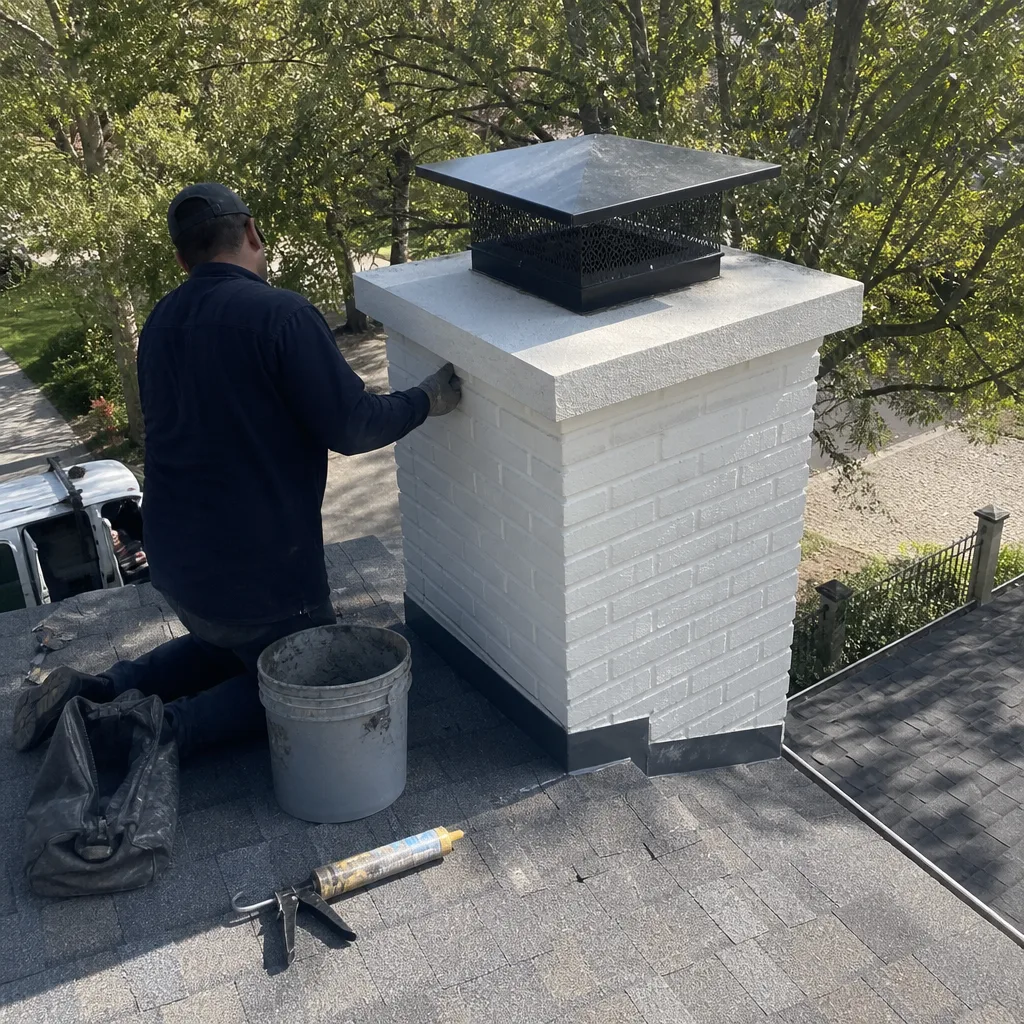
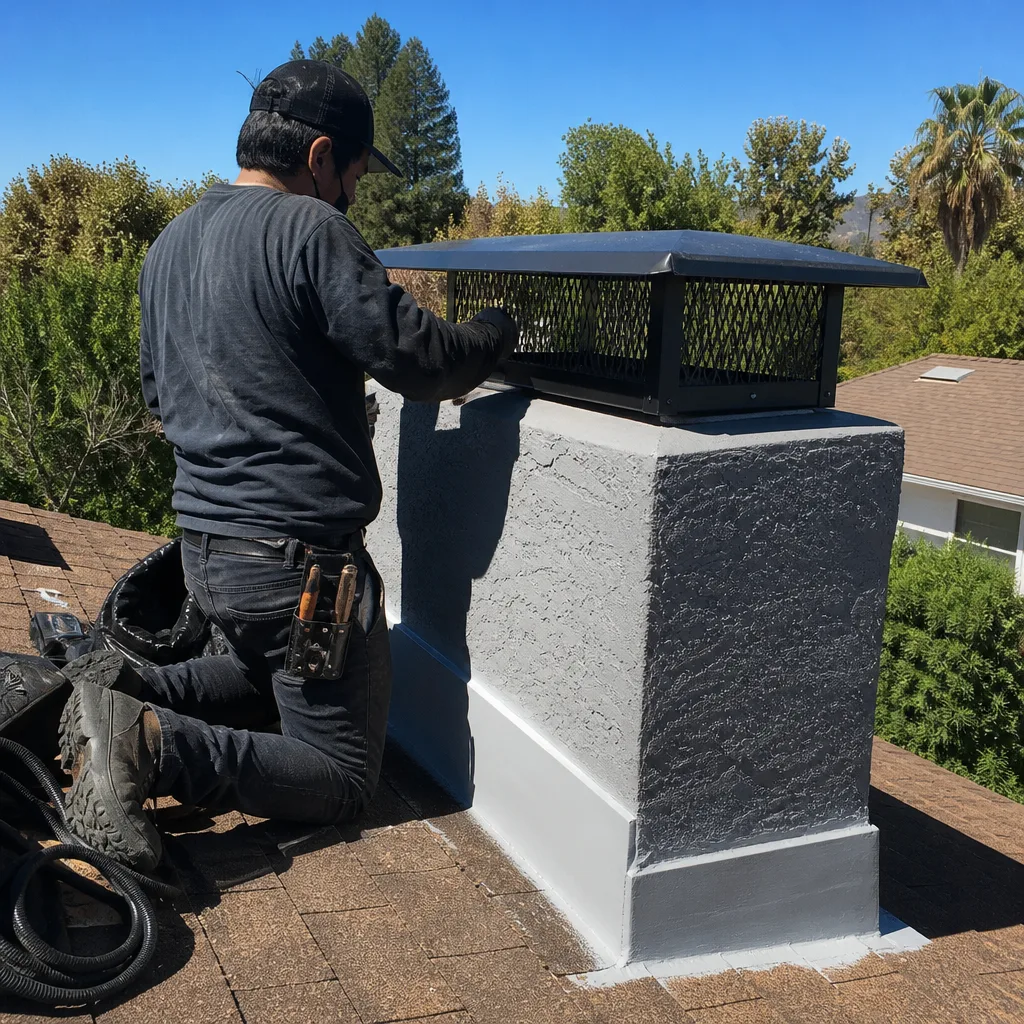
See the difference
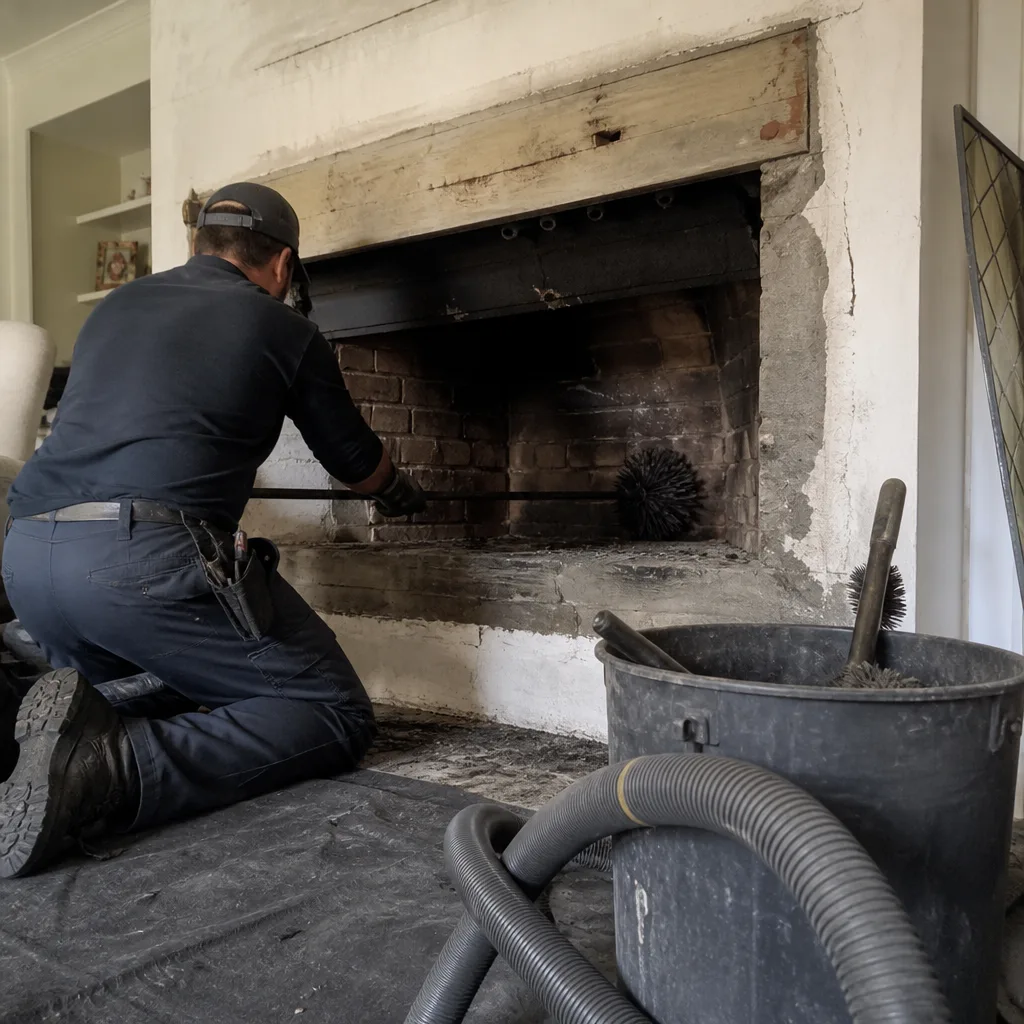 Before
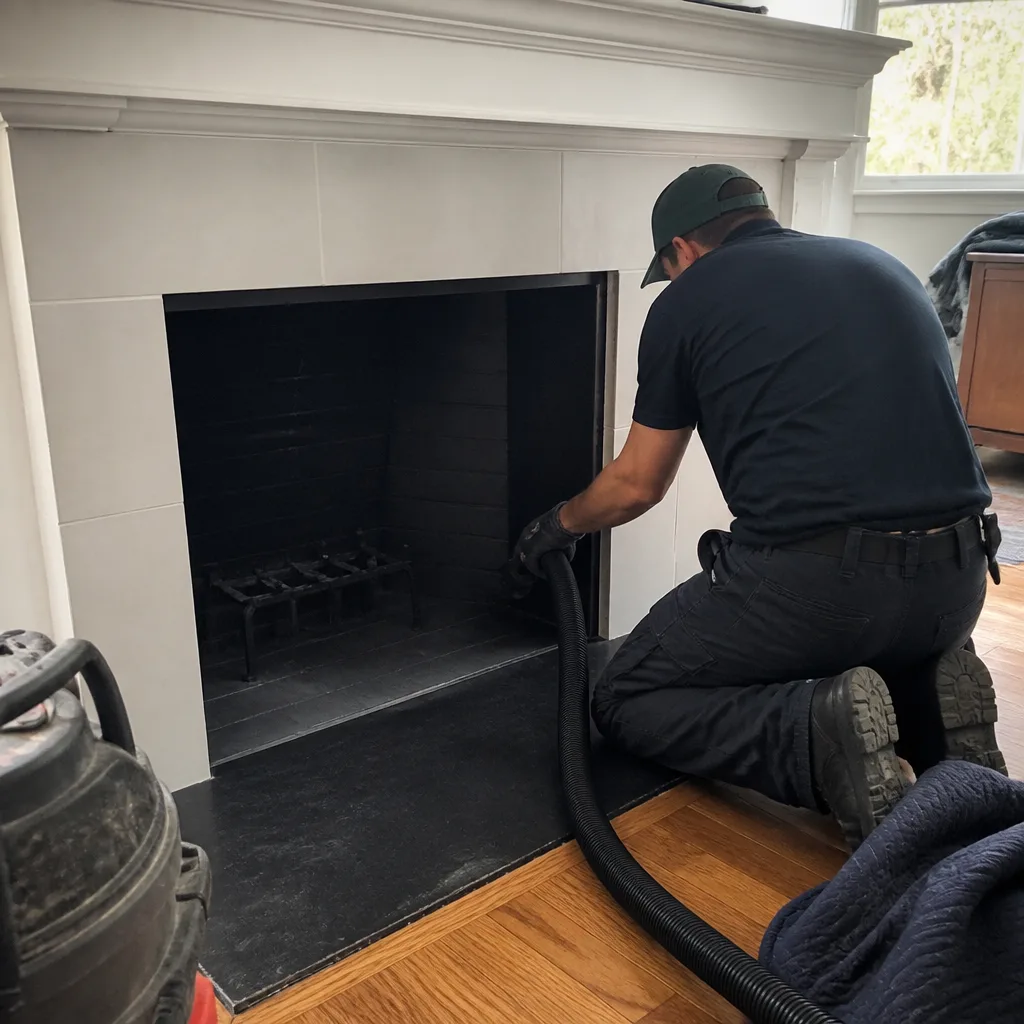 After
After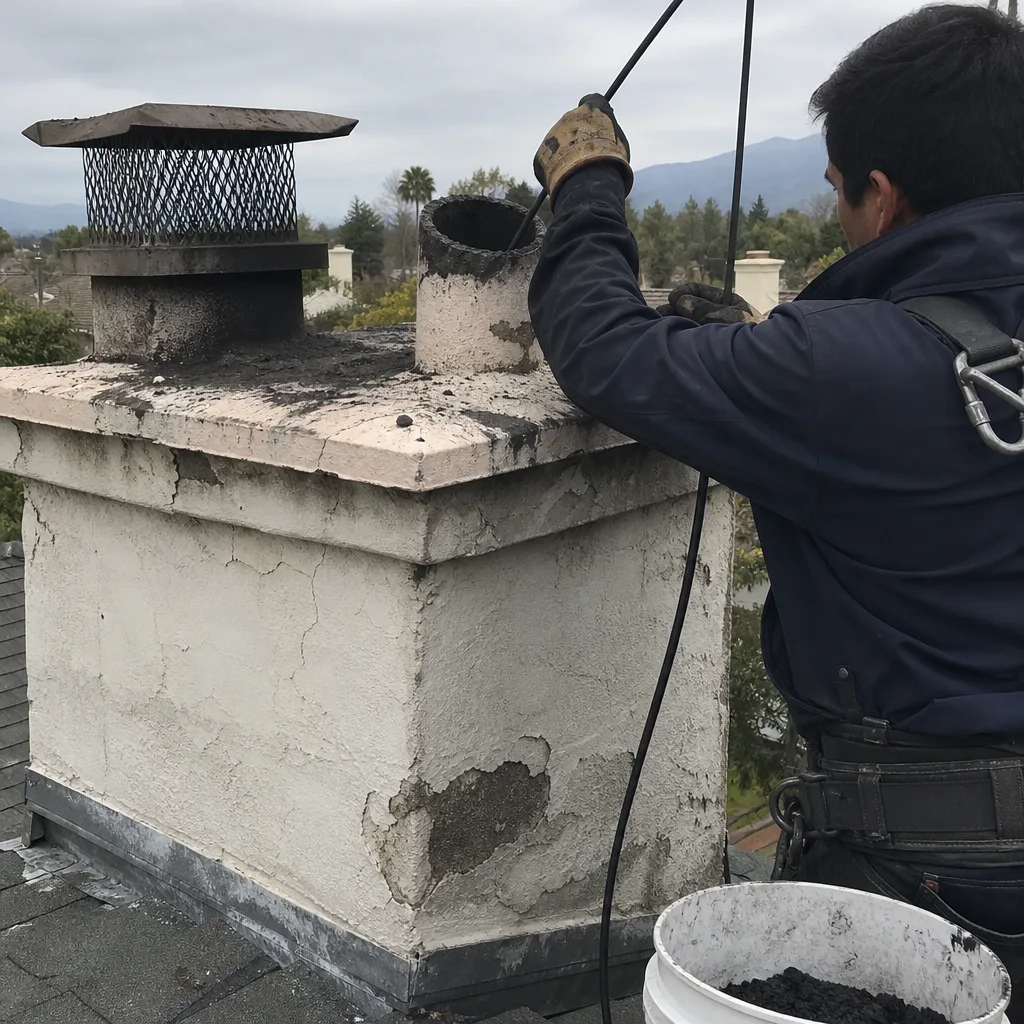 Before
 After
After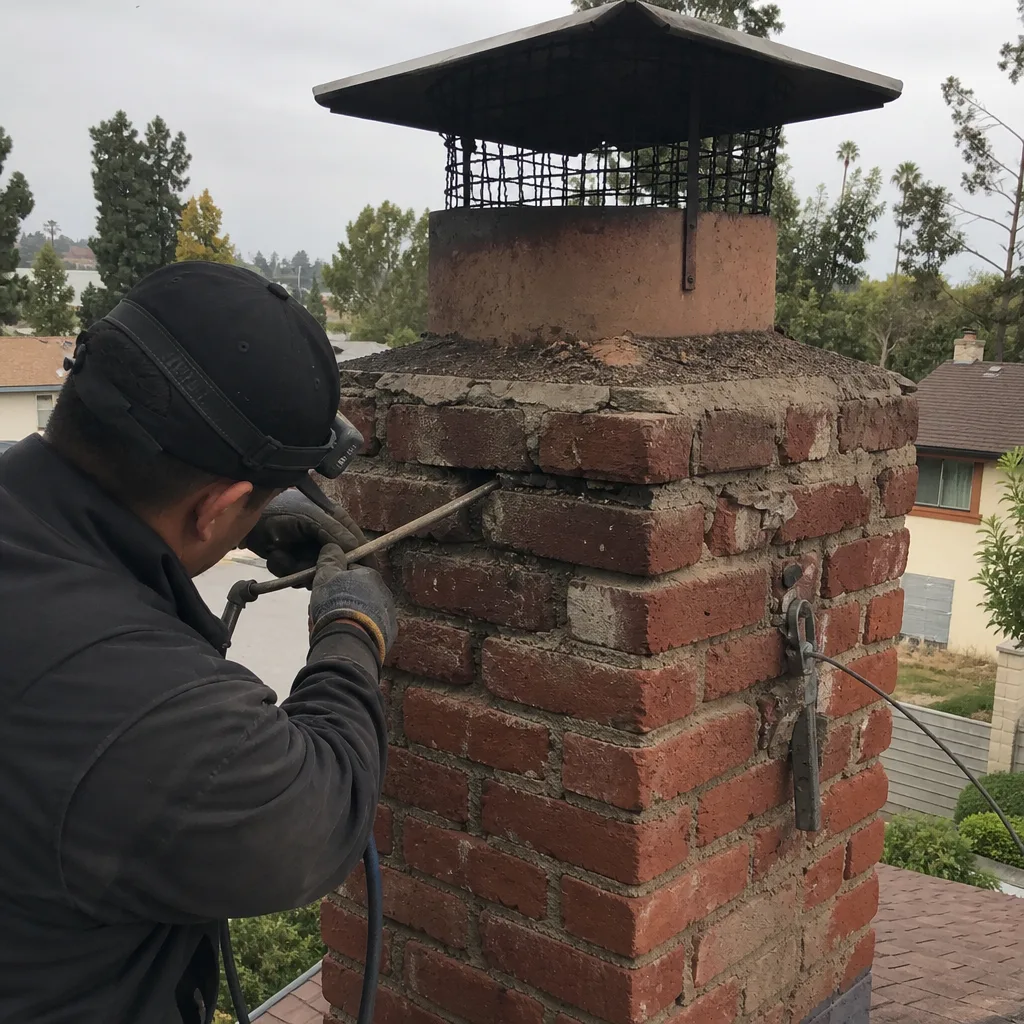 Before
 After
After