
Last updated October 15, 2026
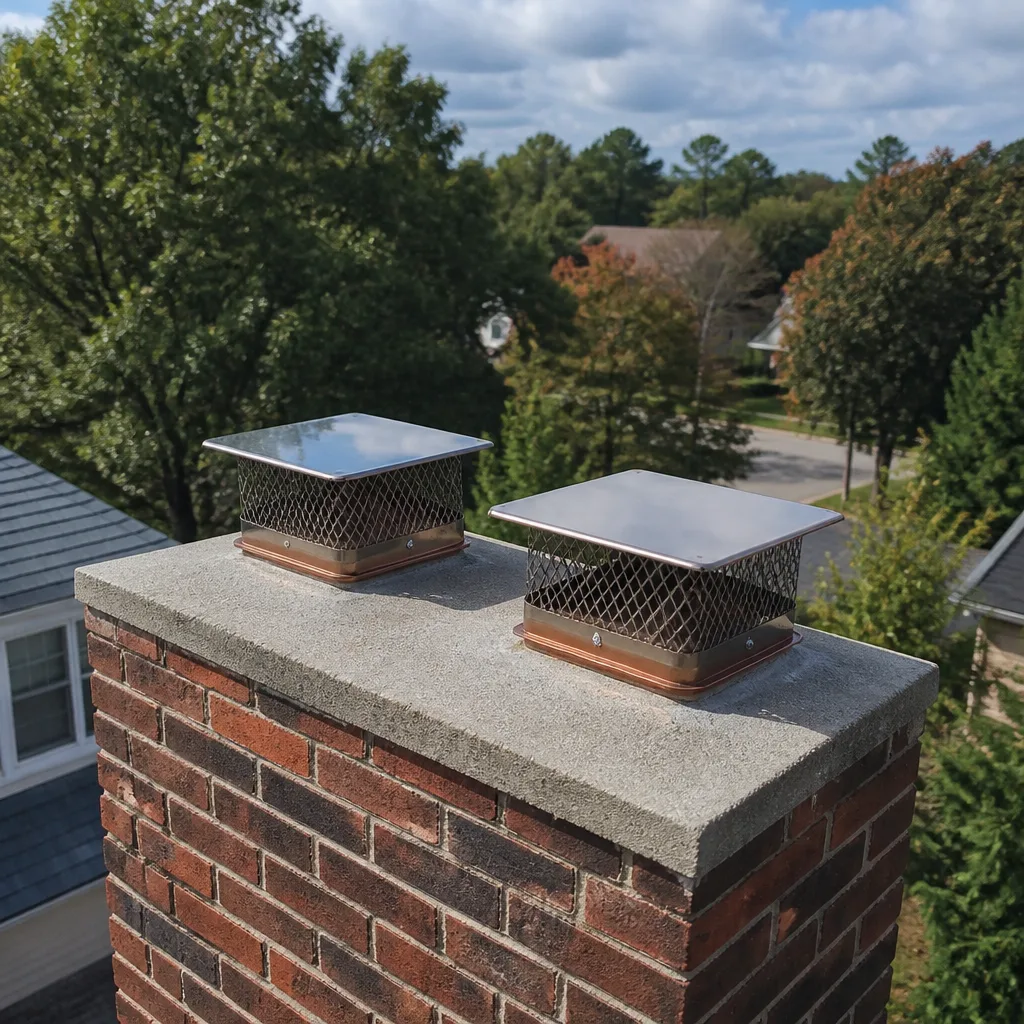 Sweep & inspection
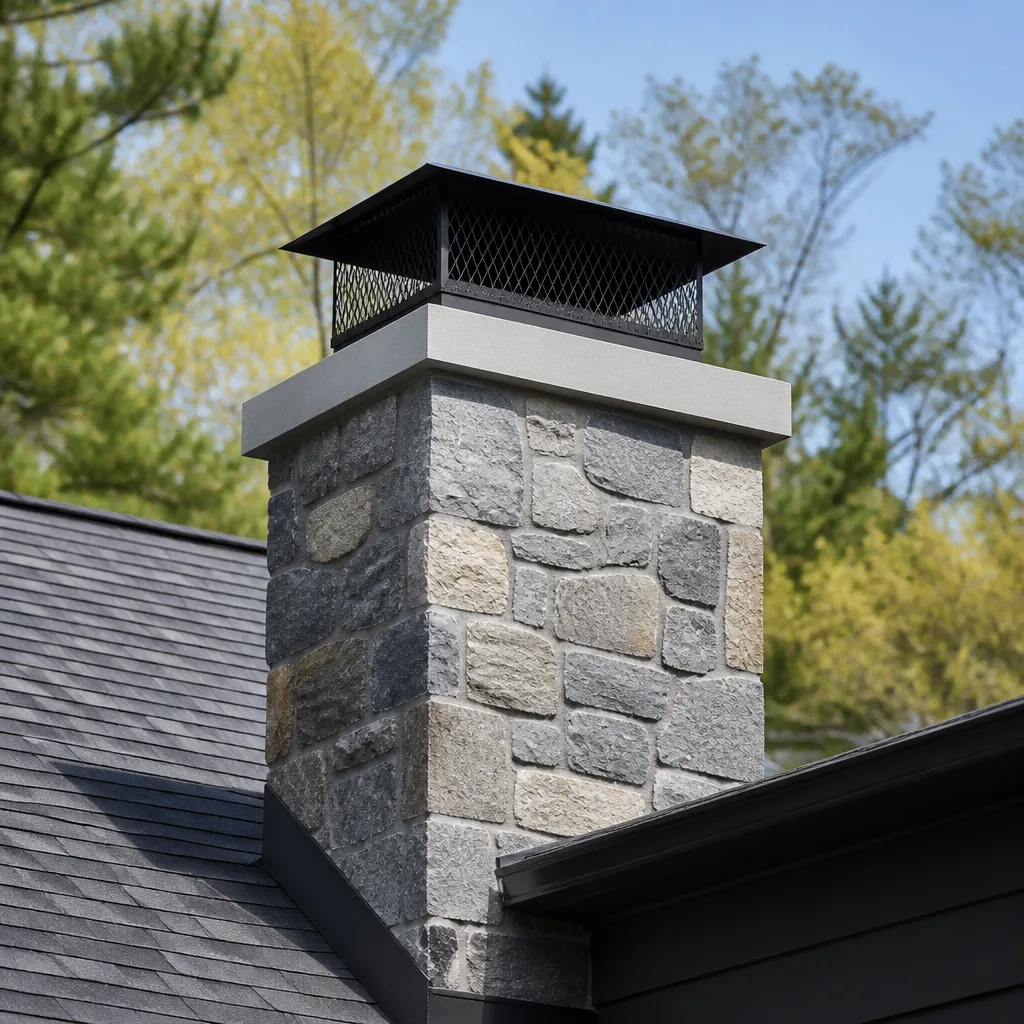 Caps & crowns
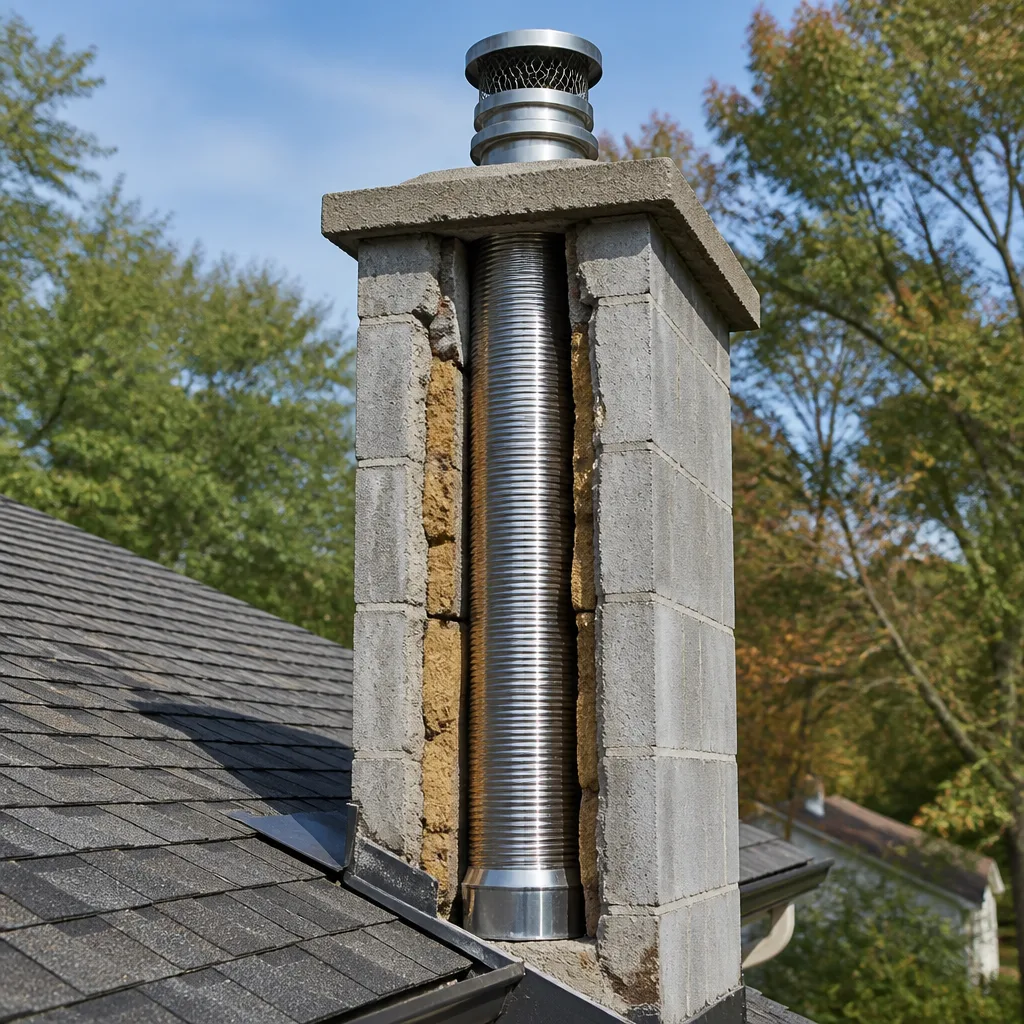 Flue relining
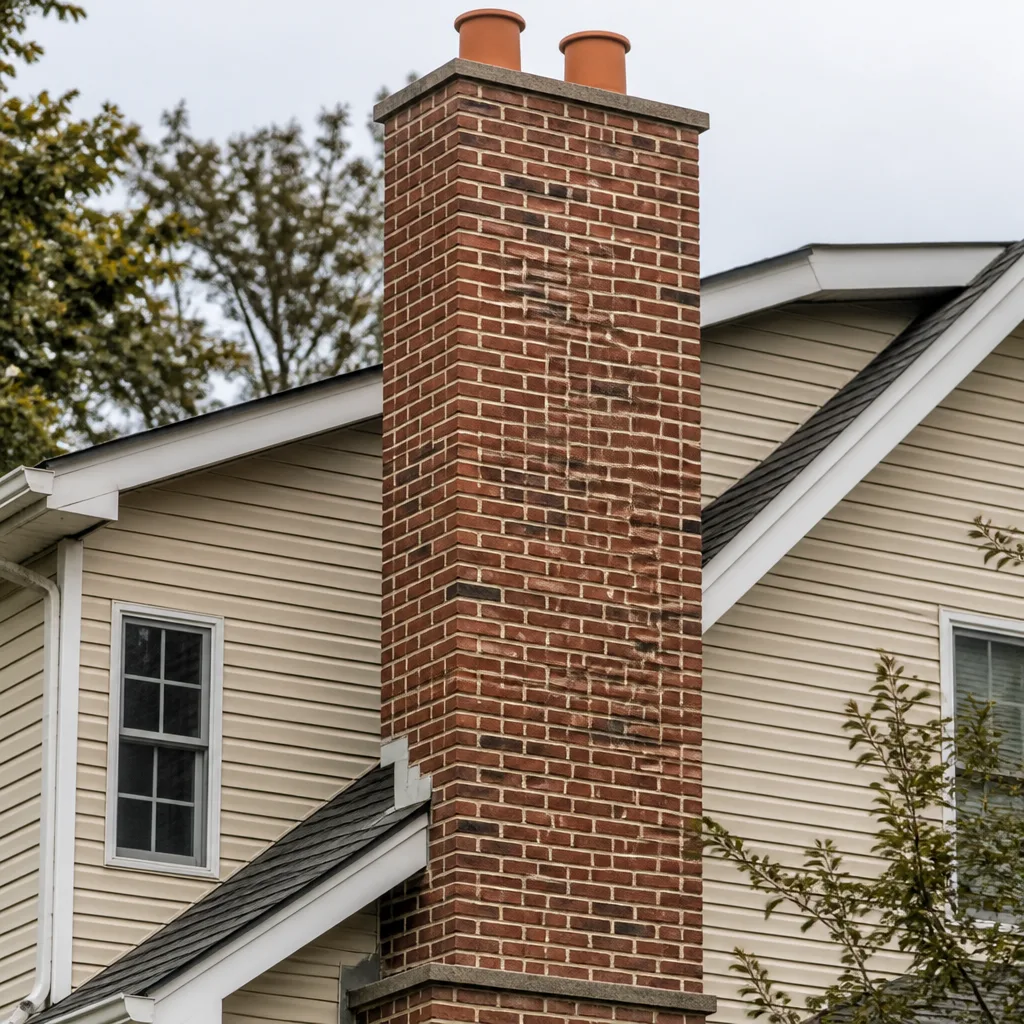 Masonry repair
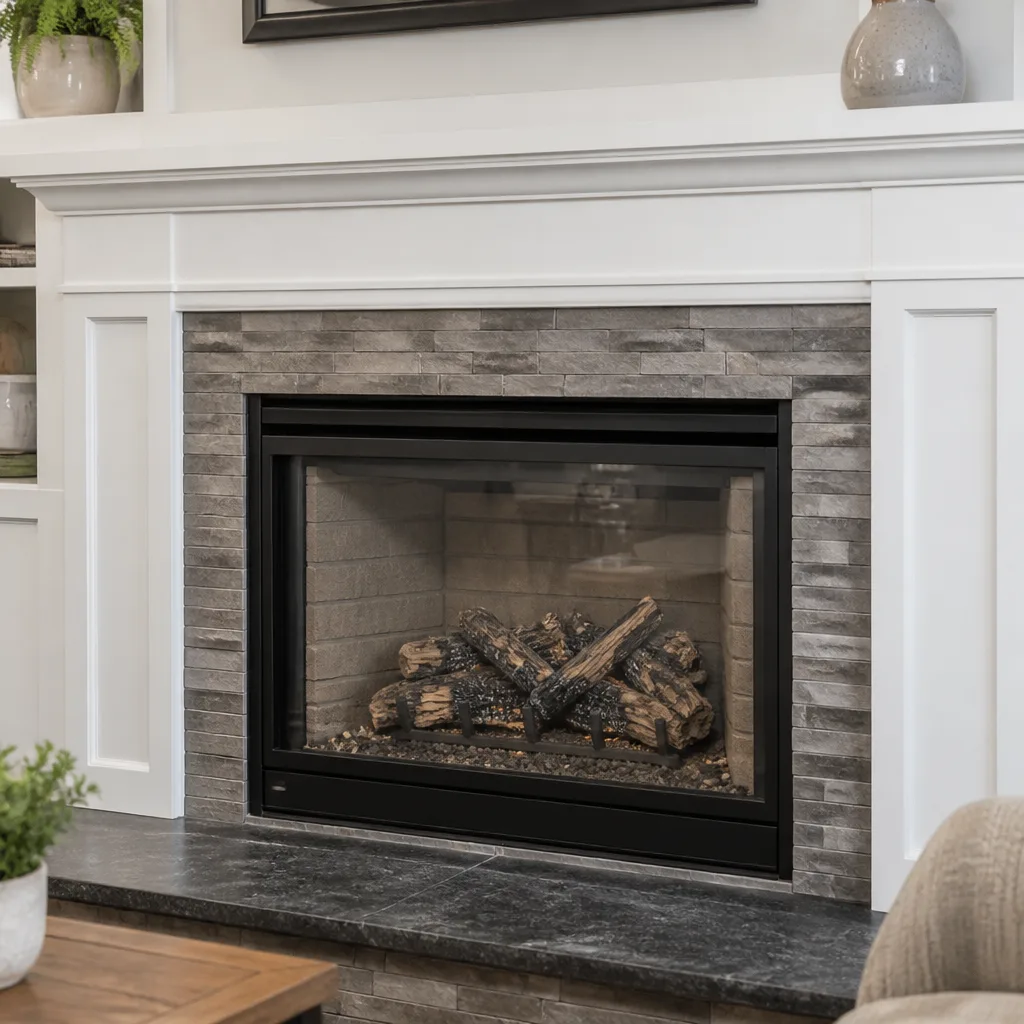 Gas fireplace service
Level 1 sweep and inspection to the NFPA 211 annual standard - flue, crown, cap, and flashing checked and photographed
Chimney sweep logs do not sweep chimneys. They loosen some creosote - which then falls where a brush and vacuum still have to collect it.
Chimney Cleaning Warning Signs: A Pasadena Homeowner’s Reference Guide
A strong campfire smell in your living room on a dry October morning isn’t nostalgia. It’s a downdraft event pulling flue gases backward through a partially blocked flue, and in Pasadena it often shows up weeks before any visible smoke problem. Most chimney warning sign guides stop at “smoke in the room” and “white haze on the exterior brick,” but our Complete Guide to Chimney Cleaning in Pasadena goes deeper. Those are the late-stage signs. This reference covers the earlier ones: the odor patterns, the lazy flames, the efflorescence streaks after rain, the sounds in the flue, and the mortar crumbling where the firebox meets the smoke shelf. If you learn to read these, you catch a $200 sweep before it becomes a $4,000 reline.
Quick Answer
The earliest chimney warning signs in Pasadena are recurring wood-smoke odors when no fire is burning, flames that flatten toward the room instead of drawing upward, white mineral streaks on exterior brick after rain, and scratching or clicking sounds from the flue. Any one of these warrants a Level 2 chimney inspection. A standard chimney sweep in Pasadena typically runs $180 to $340, and the inspection tells you whether the fix is a cleaning or something structural-see our Chimney Sweep Maintenance Checklist for Pasadena Homeowners for what to expect.
Styles & brands we work with
Table of Contents
- Odor Patterns: One-Time Event vs. Recurring Warning
- The Lazy Fire: What Restricted Draw Looks Like
- Pasadena-Specific Warning Signs: Efflorescence, Wind Damage, and Firebox Mortar
- Sounds in the Flue: Animal Intrusion by Season
- How to Document Warning Signs Before You Call
- Creosote Stages and What They Mean for Your Chimney
- When a Warning Sign Can Wait (and When It Can’t)
Odor Patterns: One-Time Event vs. Recurring Warning
Wood-smoke smell in the house is the most common early warning sign Pasadena homeowners report to us, and it’s also the most misunderstood. Not every smoke smell means a blocked flue. The key is to distinguish a one-time pressure event from a recurring pattern, because the first is often harmless and the second almost never is.
A one-time odor event happens when outdoor air pressure drops suddenly and your house becomes negatively pressurized relative to the outside. The chimney, which normally vents upward, reverses direction for a few minutes and pulls residual smoke smell down into the room. This can happen when a storm front moves through the San Gabriel Valley, when someone runs a powerful kitchen exhaust fan while the fireplace is cold, or when a window is cracked on the second floor. These events are brief and typically happen once.
A recurring odor pattern is different. If you smell wood smoke on multiple days, especially when no fire has been lit recently, the most likely causes are:
- Creosote saturation: heavy tar deposits have soaked into the flue liner and release odor when indoor air pressure drops even slightly.
- Partial blockage: a bird nest, fallen debris, or a deteriorated liner is restricting airflow enough that normal pressure differences reverse the draft.
- Chimney cap failure: a missing or damaged cap lets rain in, which mixes with creosote and produces a stale, acrid smell.
- Flue liner cracks: gaps in the liner let flue gases percolate into the chimney chase or wall cavity, where they seep into living space slowly.
Ask yourself three questions. First, is the smell tied to weather? If it only appears during cold fronts or high-wind events, note that. Second, how old is the smell? Fresh wood smoke smells sharp and acrid; old creosote smells musty, like a dirty ashtray or damp campfire. Third, does the smell persist when windows are all closed and no exhaust fans are running? If yes, the problem is physical, not atmospheric. A Chimney Inspection in Pasadena with a camera will tell you which of the four causes you’re dealing with.
The Lazy Fire: What Restricted Draw Looks Like
A “lazy fire” is a term working chimney sweeps use to describe flames that don’t draw upward with energy. Instead of leaping toward the damper opening, the flames flatten out, lean toward the room, or appear to drift sideways. It’s a diagnostic indicator of restricted airflow, and it shows up before visible smoke because the chimney can still move some air, just not enough.
What causes a lazy fire? Restricted draw usually comes from one of five sources. The most common in Pasadena is a creosote-narrowed flue, where years of accumulated tar have reduced the effective diameter of the chimney from, say, 10 inches down to 5 or 6. But it can also be a cold flue, meaning the air inside the chimney is too cool and dense to rise, typical on chilly Pasadena mornings before the sun warms the brick. A third cause is a competitor: another appliance, like a water heater or furnace, drawing combustion air from the same room and starving the fireplace. A fourth is the cap screen, clogged with soot or debris. A fifth is house tightness: newer Pasadena homes built or retrofitted for energy efficiency don’t leak enough air to feed the fire, so the chimney can’t pull.
Here’s how to read a lazy fire in practice:
- Build a small fire with dry hardwood and watch the flame direction for the first ten minutes.
- If the flames lean toward the room or flatten sideways, open a nearby window one inch and watch again.
- If the draw improves with the window, the problem is house tightness or competing air demand, not the chimney itself.
- If the draw does not improve, the restriction is in the flue. Stop using the fireplace and schedule an inspection.
Lazy fires are worth taking seriously. A chimney that can’t draw well is also a chimney that can’t vent carbon monoxide well. The gas may not be visible, and it has no smell. A Chimney Sweep in Pasadena who diagnoses a lazy fire will typically run a camera inspection as part of the service call to determine whether cleaning alone restores full draw or whether you’re looking at a structural repair.
Pasadena-Specific Warning Signs: Efflorescence, Wind Damage, and Firebox Mortar
Some warning signs are particular to Pasadena because of our climate and geography. Three stand out, and all three appear consistently across Pasadena neighborhoods, from Bungalow Heaven to San Rafael Hills.
White Efflorescence Streaks After Rain
Efflorescence is the white, chalky mineral deposit that appears on exterior chimney brick after water has soaked into the masonry and evaporated. In Pasadena, it often shows up after the first significant rain event of the season, typically November or December. The mechanism is simple: rain enters the brick through cracked mortar joints or a failed chimney crown, dissolves salts inside the masonry, and the salts crystalize on the surface as the water evaporates.
Efflorescence itself is not a structural threat. But it is a direct indicator that water is entering the chimney system, and repeated wet-dry cycles in Pasadena’s climate degrade mortar joints quickly, especially on older chimneys built before modern crown construction. If you see efflorescence, the underlying cause is water intrusion, and water intrusion left unaddressed leads to spalling brick, flue liner damage, and eventually a chimney that needs rebuilding, not repointing. The fix is usually a new crown or repointed mortar joints, not just a cosmetic wash.
Bent or Missing Cap Screen After Santa Ana Winds
Santa Ana wind events, which typically hit Pasadena between September and November with gusts from the northeast, put real stress on chimney caps. We regularly see cap screens that have been bent, torn, or blown entirely off after a strong wind event. The cap serves two jobs: it keeps rain out and it keeps animals out. When the cap screen fails, birds and squirrels move in quickly, often within a month.
Check your cap after every significant wind event. From the ground, look for a tilted cap, visible gaps, or a missing screen section. If you can safely access the roof, check for loose mounting screws or bent struts. A missing cap screen is not just an animal entry point, it also changes your chimney’s draft behavior, and a chimney that drafts poorly produces more creosote.
Mortar Crumbling at the Firebox-to-Smoke Shelf Transition
The firebox is the firebrick-lined area where you build the fire. The smoke shelf sits just above the firebox, behind the damper, and its job is to collect ash and debris that falls down the flue. The transition between these two areas is a high-stress point because it experiences the most intense heat cycling of any part of the chimney.
In older Pasadena homes, we often see mortar joints at this transition degrading well before the rest of the chimney shows problems. You can check it yourself by opening the damper fully and shining a bright flashlight upward at the back wall of the firebox. Look for crumbling mortar, gaps between bricks, or brick faces that have flaked off. This is a repair that should not wait, because the firebox-to-smoke-shelf area is where flue gases change direction, and a gap there can channel heat and gases into the wall cavity instead of up the flue.
Sounds in the Flue: Animal Intrusion by Season
Animal sounds in the chimney are a warning sign that many Pasadena homeowners dismiss as house noises until the animal dies in the flue or falls into the firebox. Knowing which animals are active in Pasadena chimneys by season helps you identify what you’re hearing and how urgent it is.
Here’s what we see by season in Pasadena:
- Spring (March-May): Bird nesting. Chimney swifts are the primary concern, though they’re less common in Pasadena than in other parts of Southern California. You may hear high-pitched chirping early in the morning and evening. Chimney swifts are protected under federal law, and nests cannot be removed while active.
- Summer (June-August): Squirrels. Pasadena’s oak-heavy neighborhoods, especially around the Arroyo Seco and Linda Vista, support large squirrel populations. Squirrels enter chimneys looking for shelter from heat, and you’ll hear scratching, clicking, and the sound of nuts or debris being moved. Squirrels will chew wiring and wood inside the chimney structure.
- Fall (September-November): Raccoons, particularly in neighborhoods close to the Arroyo where tree canopy is dense. A raccoon in a chimney sounds heavier than a squirrel: low thumping, growling, or a chattering sound. Raccoons are strong and destructive, and they will tear at dampers and flue liners to create nesting space.
- Winter (December-February): Less intrusion overall, but birds seeking warmth will sometimes enter through a damaged cap. Winter is also when rodent smells become noticeable, as colder outdoor temperatures push activity indoors.
The sound profile matters. Scratching that moves up and down the flue indicates a squirrel; scratching with rhythmic regularity often means nesting. A low hum is usually bees or wasps, which build hives in chimneys during Pasadena’s warm months. Clicking sounds can be birds or insects, depending on frequency and time of day. None of these resolve on their own. An animal that enters a chimney will not leave voluntarily in most cases, and a dead animal in the flue creates a smell that lasts for weeks and requires a physical removal, not just an odor treatment. If you hear animal sounds, stop using the fireplace and call for an inspection. The fix starts with identifying the entry point, which is almost always a failed or absent cap screen.
After the animal is removed, the chimney should be swept and the cap replaced or repaired. We’ve handled Pasadena jobs where a single squirrel had dragged in enough nesting material, twigs, and food debris to fill a third of the flue, creating a fire hazard on top of the animal issue itself.
How to Document Warning Signs Before You Call
How you document what you’re seeing and hearing determines how efficiently a chimney company can help you, and it affects the price. A homeowner who can accurately describe their warning signs over the phone lets the sweep prioritize correctly and arrive with the right equipment on the first visit. Here’s the process we recommend to Pasadena homeowners.
- Take date-stamped photos. Exterior photos of the chimney from at least two angles, close-ups of any efflorescence, cap damage, or mortar gaps, and interior photos of the firebox and damper area. Date-stamp every photo. A pattern of photos over time tells us more than a single snapshot.
- Document the odor. Write down the date, time, weather conditions, whether a fire had been lit in the previous 48 hours, whether any exhaust fans were running, and whether second-story windows were open. This is the information that separates a pressure event from a blockage.
- Record the sound. If you’re hearing animals, record 30 to 60 seconds of audio on your phone. The rhythm, frequency, and time of day help identify the species. Take the recording even if the sound is faint.
- Note the flame behavior. If you’ve seen a lazy fire, write down what you observed: the direction flames leaned, whether opening a window improved draw, and what type of wood you were burning. Unseasoned wood creates its own draw problems independent of chimney condition.
- Check the cap from the ground. Use binoculars or your phone camera zoom. Look for tilt, missing screen, or obvious damage. Don’t go onto the roof unless you’re comfortable with ladder safety and roof access, and never on a wet or windy day.
This documentation does two things. It lets the chimney company quote the right service level over the phone, and it gives you a record to compare against the inspection findings. A reputable sweep will explain what they found, show you the camera footage if a liner inspection is needed, and quote a price before starting work. If a company refuses to show you evidence or quotes a price without looking at what you’ve documented, that’s a red flag. Every job should carry a written price before any work starts. That’s how Flint Chimney Co Pasadena runs every service call, and it’s how every chimney company should.
Creosote Stages and What They Mean for Your Chimney
Creosote is the tar-like substance that condenses inside the flue when wood smoke cools before it exits the chimney. It’s the primary fuel source for chimney fires, and understanding its stages helps Pasadena homeowners recognize when a cleaning is overdue.
Creosote forms in three stages, and each stage requires a different level of response.
- Stage 1: Flaky soot. A thin, dusty or flaky coating that brushes off easily. This is normal accumulation from regular burning and is removed with a standard chimney sweep. A chimney with stage 1 creosote is healthy, and the cleaning is straightforward maintenance, not a correction.
- Stage 2: Crunchy tar flakes. A thicker, hardened accumulation that looks like black cornflakes. Stage 2 creosote indicates that the chimney has been burning at low temperatures, often from unseasoned wood or restricted airflow. It requires mechanical cleaning with rotary brushes, and it signals that the chimney is approaching a hazard condition if left alone.
- Stage 3: Glazed tar. A hard, shiny, tar-like coating that fuses to the flue walls. Stage 3 creosote is a serious fire hazard and is difficult to remove. It typically requires chemical treatment followed by mechanical removal, and in some cases, a flue relining, which means replacing the inner liner that channels smoke safely out of the house.
In Pasadena, stage 2 and stage 3 creosote are more common than homeowners expect, especially in fireplaces that have been used intermittently over decades without consistent cleaning. The Santa Ana cycle also plays a role: long dry periods allow creosote to bake hard against the flue walls, making removal tougher than in more humid climates. If your chimney has not been swept in years, assume you’re dealing with stage 2 at minimum and plan for a more thorough cleaning than a standard maintenance sweep.
Professionally, we use mechanical rotary cleaning equipment and chemical treatments appropriate to the creosote stage, and we work with professional-grade chimney materials, including Chimney Repair in Pasadena products from DuraFlex and HeatShield when liner work is required. The brands matter because different liners handle different fuel types and creosote conditions, and a liner that isn’t specified correctly will fail early.
When a Warning Sign Can Wait (and When It Can’t)
Not every warning sign requires immediate action, and knowing the difference saves you money. Here’s the honest breakdown from our Pasadena service experience.
Can usually wait until the next sweep: A single odor event tied to a specific weather pattern, minor efflorescence on exterior brick with no interior moisture signs, and light stage 1 soot accumulation. These are conditions to monitor, not emergencies. Document them and bring them up at your next scheduled cleaning.
Should be scheduled within 30 days: Recurring odors, a lazy fire that doesn’t improve with a window open, efflorescence that reappears after each rain, and animal sounds that suggest nesting. These conditions are progressing, and while they’re not emergencies today, they become more expensive to fix the longer they sit.
Do not use the fireplace until inspected: Stage 3 glazed creosote, visible smoke in the room while a fire is burning, any animal that has died in the flue, crumbling firebox mortar, and any situation where you smell smoke but cannot see the source. These conditions carry fire or carbon monoxide risk, and the chimney should not be used until a professional has looked at it.
The rule of thumb is simple: if you’re unsure, err toward inspection. A chimney inspection in Pasadena is less expensive than most homeowners expect, and it provides a written record of what is and isn’t wrong. That record is worth having even when the answer is “nothing.”
Common Mistakes to Avoid
- Ignoring a single odor event because it went away. One event might be pressure-related, but a second event within a month confirms a physical problem. Start documenting after the first occurrence, not the third.
- Burning unseasoned wood to save money. Pasadena’s dry climate makes homeowners think any wood is fine. Unseasoned wood burns cooler and produces significantly more creosote, accelerating every problem in this guide.
- Assuming a cap screen is optional. After a Santa Ana event, many Pasadena homeowners notice the cap is damaged and do nothing. That cap is your first line of defense against animal entry and rain intrusion, and a $150 cap replacement prevents $500 in animal removal and $2,000 in liner damage.
- Painting over efflorescence instead of fixing the water entry. Efflorescence is a symptom, not the problem. Painting seals the salt inside the brick, and the trapped moisture accelerates spalling, which is the flaking and crumbling of the brick face.
- Using the fireplace to “burn off” a smell. If you smell something odd and light a fire anyway, you may be igniting creosote or cooking a dead animal in the flue. Neither ends well.
- Waiting for visible smoke before calling. By the time smoke is visibly entering the room, the chimney has already failed at its one job. The signs before smoke are the ones that save you money.
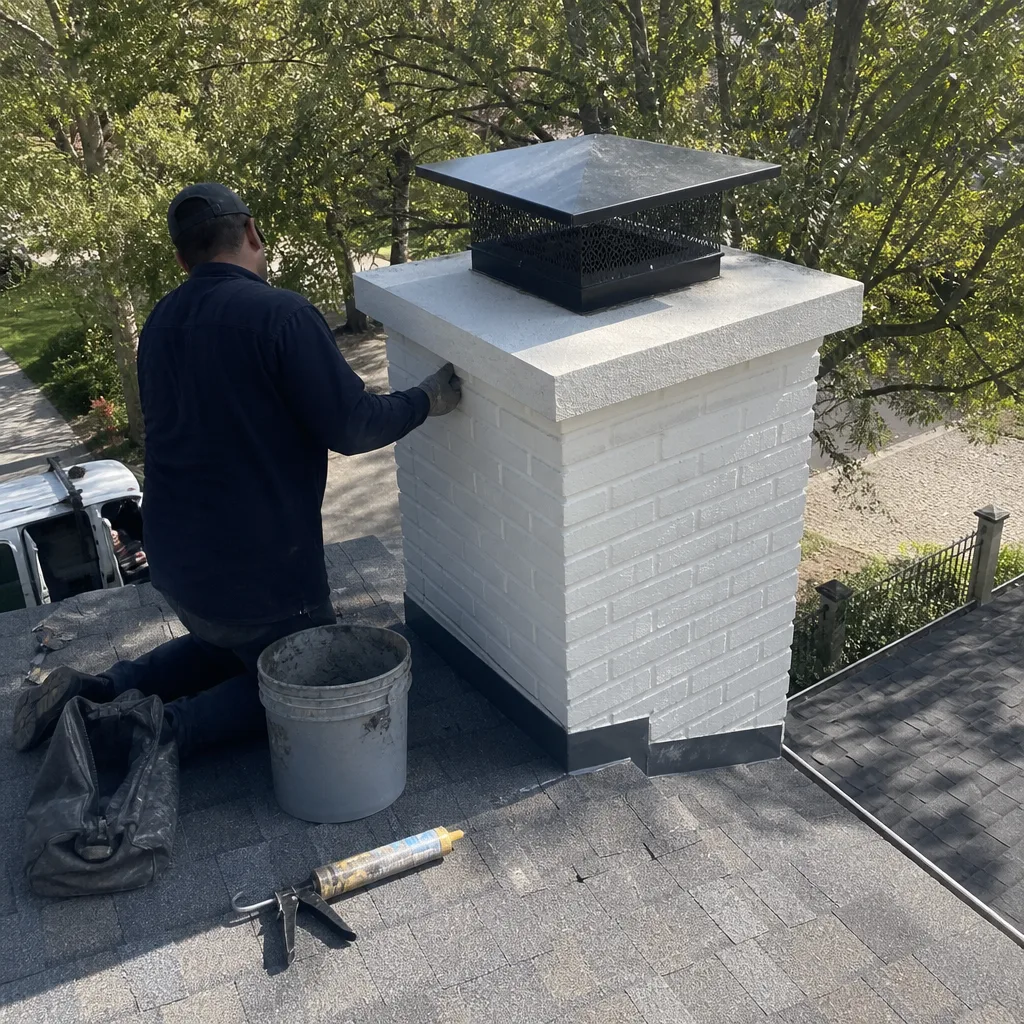
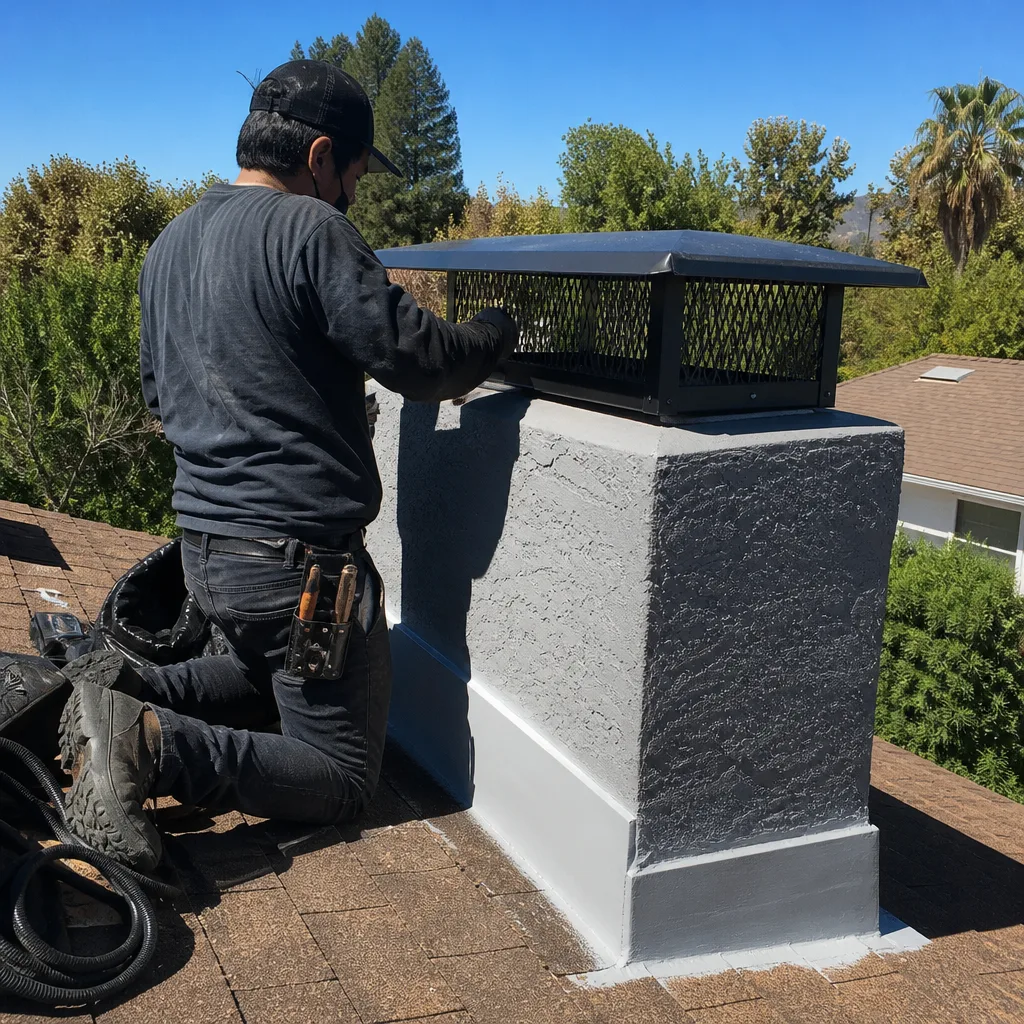
See the difference
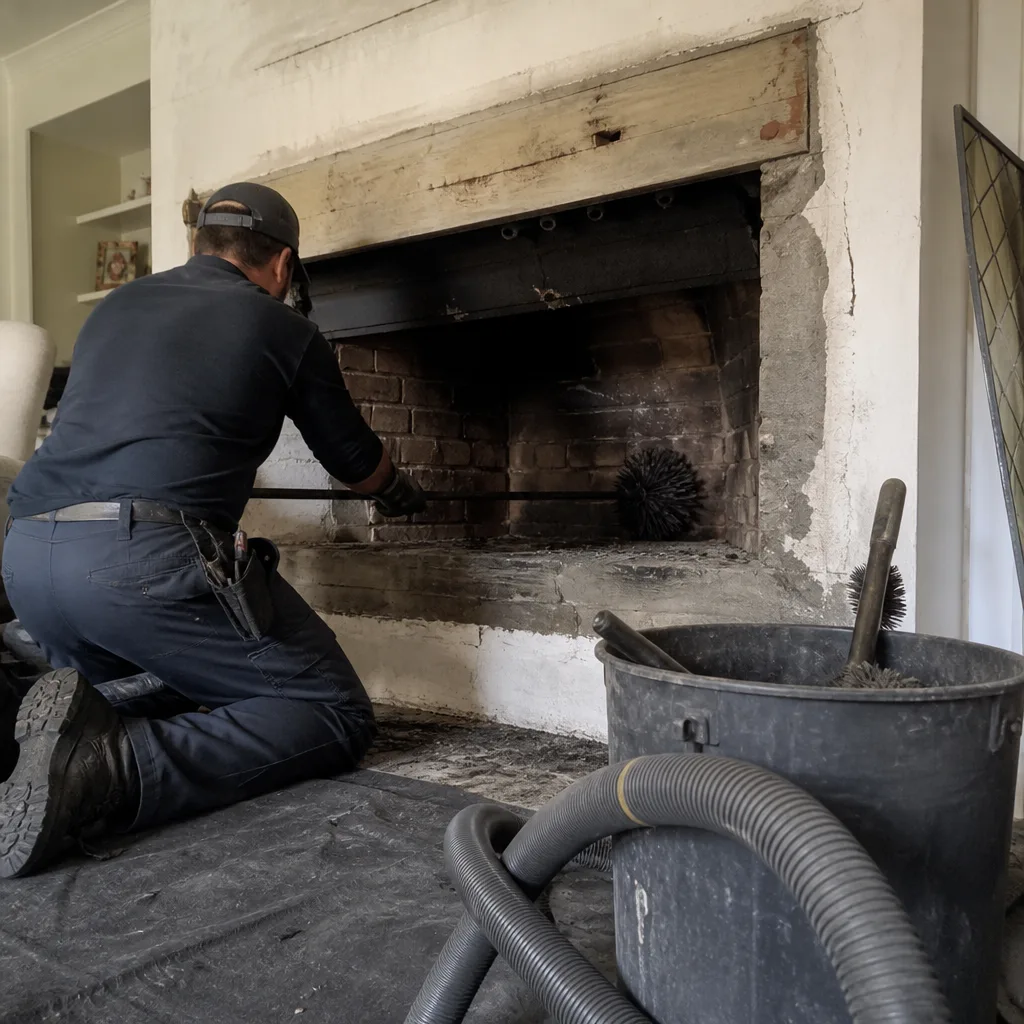 Before
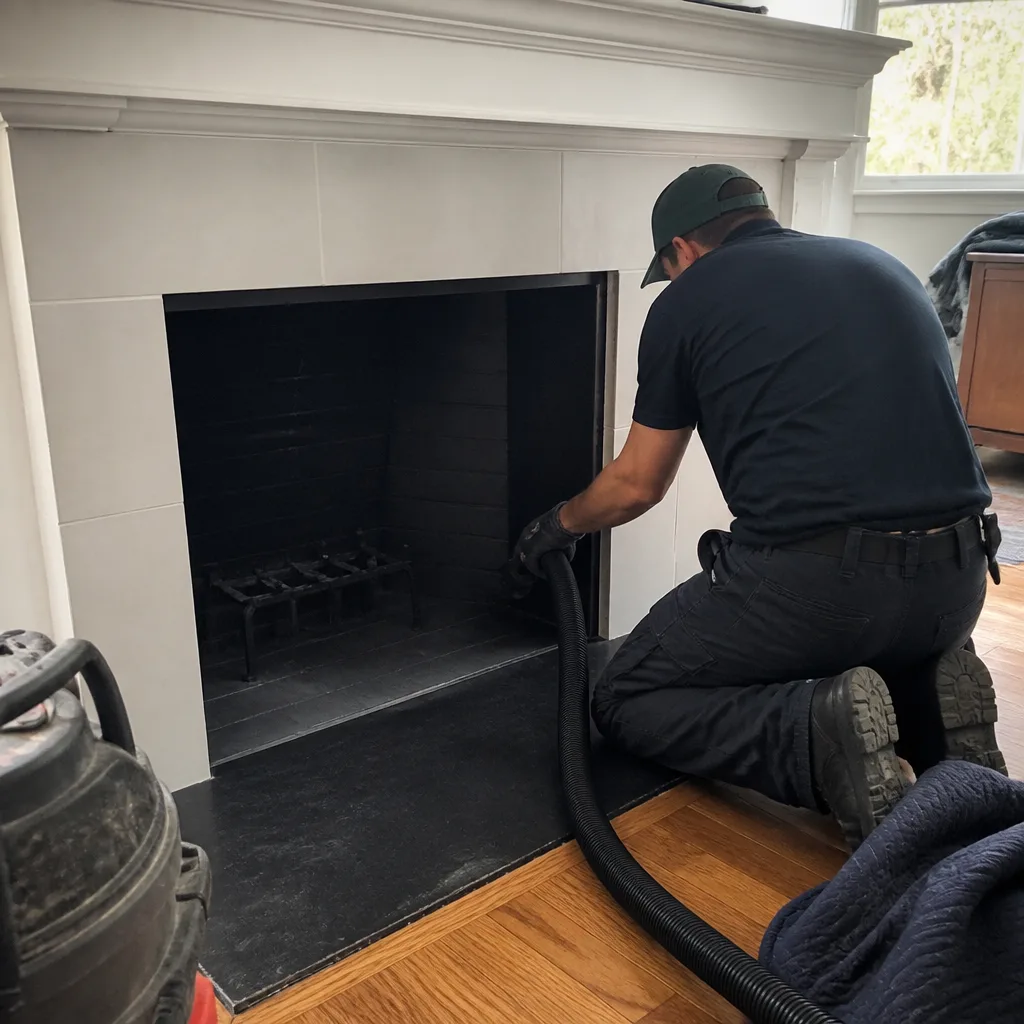 After
After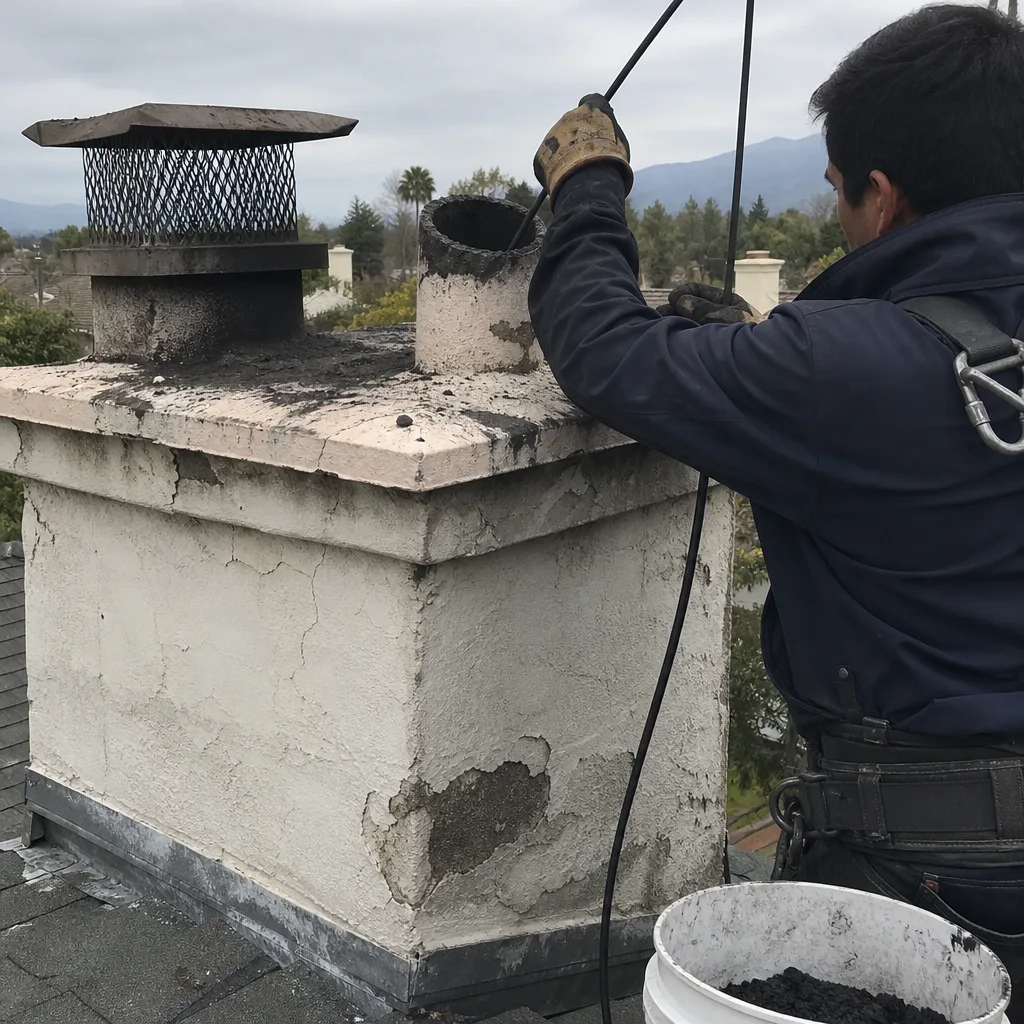 Before
 After
After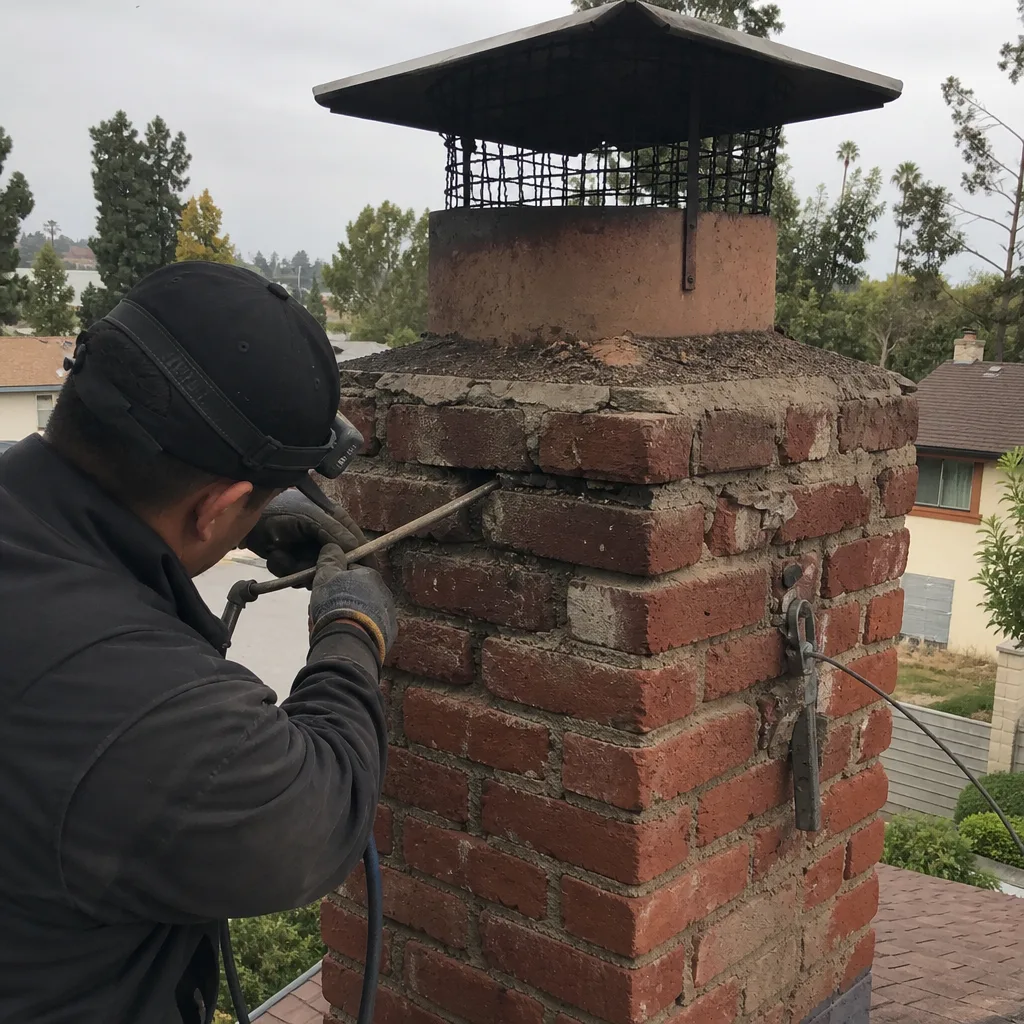 Before
 After
AfterWhen to Call a Professional
Call a professional when you’ve documented a recurring odor, seen a lazy fire that doesn’t correct with a window open, heard animal sounds in the flue, noticed efflorescence returning after rain, or found crumbling mortar at the firebox-to-smoke-shelf transition. These are not conditions to watch indefinitely. A camera inspection gives you the answer in under an hour. Flint Chimney Co Pasadena offers free estimates in Pasadena, calls are answered by a live person around the clock, and every job gets a written price before any work starts. Call (626) 657-5513.
Frequently Asked Questions
A standard chimney sweep in Pasadena typically runs between $180 and $340, depending on the amount of creosote, whether animals have been present, and what level of access the chimney requires. The sweep should include the flue cleaning, firebox cleanup, and a visual inspection of accessible components. Call (626) 657-5513 for an exact quote on your specific chimney, estimates are free.
A chimney should be swept at least once per year if you burn fires regularly during the fall and winter, and before the first fire of each season is the safest schedule for Pasadena homeowners. If you burn more than two cords of wood annually, or if you burn softwood or unseasoned wood, sweep twice per year. Between sweeps, watch for the warning signs in this guide, as they often appear before the annual interval is due.
Skipping chimney cleaning allows creosote to accumulate and harden, which narrows the flue, reduces draft, and creates fuel for a chimney fire. Over multiple seasons, the creosote can reach stage 3 glazed condition, which is difficult to remove and may require flue relining. The cost of a reline is often ten to twenty times the cost of a sweep. If you’re not sure where your chimney stands, a Level 2 inspection with a camera answers it definitively.
You need a new liner if the camera inspection shows cracks, gaps, or stage 3 creosote that has fused to the current liner surface and cannot be fully removed. A damaged liner channels heat and gases into the chimney structure instead of safely up the flue, which is both a fire risk and a carbon monoxide risk. Before any liner work is recommended, you should see the camera footage yourself and have the reasoning explained in plain words. No liner replacement should be sold without visual evidence.
Summer smell is usually creosote combined with humidity, and in Pasadena the pattern is tied to a specific airflow direction. During warm months, hot air rises out of the chimney, which pulls indoor air upward instead of down, but if the creosote deposits are thick enough, the rising warm air carries the tar smell through the house on its way out. It’s a sign that the creosote has saturated the liner and needs mechanical cleaning, not just a cap replacement.
You can, but the question is whether you should. A homeowner with the right brushes can remove loose stage 1 creosote from a short, straight flue, but any chimney with stage 2 or 3 creosote, an animal issue, or an interior liner concern needs professional equipment and a camera inspection to do the job safely and completely. The risk of DIY cleaning is not just a mess; it’s missing a crack in the liner that a camera would catch. If you’re considering it, read our DIY vs Professional Chimney Cleaning: The Pasadena Homeowner’s Decision Guide, then compare the cost of the brushes, the time on the roof, and the lack of a written guarantee against the cost of a professional sweep. The arithmetic typically favors the sweep.
The Bottom Line
Chimney warning signs in Pasadena show up early if you know what to look for: recurring smoke odors, lazy flames, efflorescence after rain, cap damage after wind, and animal sounds by season. Each sign has a specific cause, and each cause has a specific fix that ranges from a $200 sweep to a structural repair. For more guides & resources on keeping your chimney safe, explore our blog. The discipline is in documenting what you observe, photographing it, and getting a camera inspection before the condition escalates. Flint Chimney Co Pasadena puts every job in writing before work starts, covers every repair with a written guarantee for a full year, and answers the phone with a live person at (626) 657-5513 whenever you call.
Written by Hank Delano, Owner at Flint Chimney Co Pasadena, serving Pasadena since 2002.