
Last updated October 15, 2026
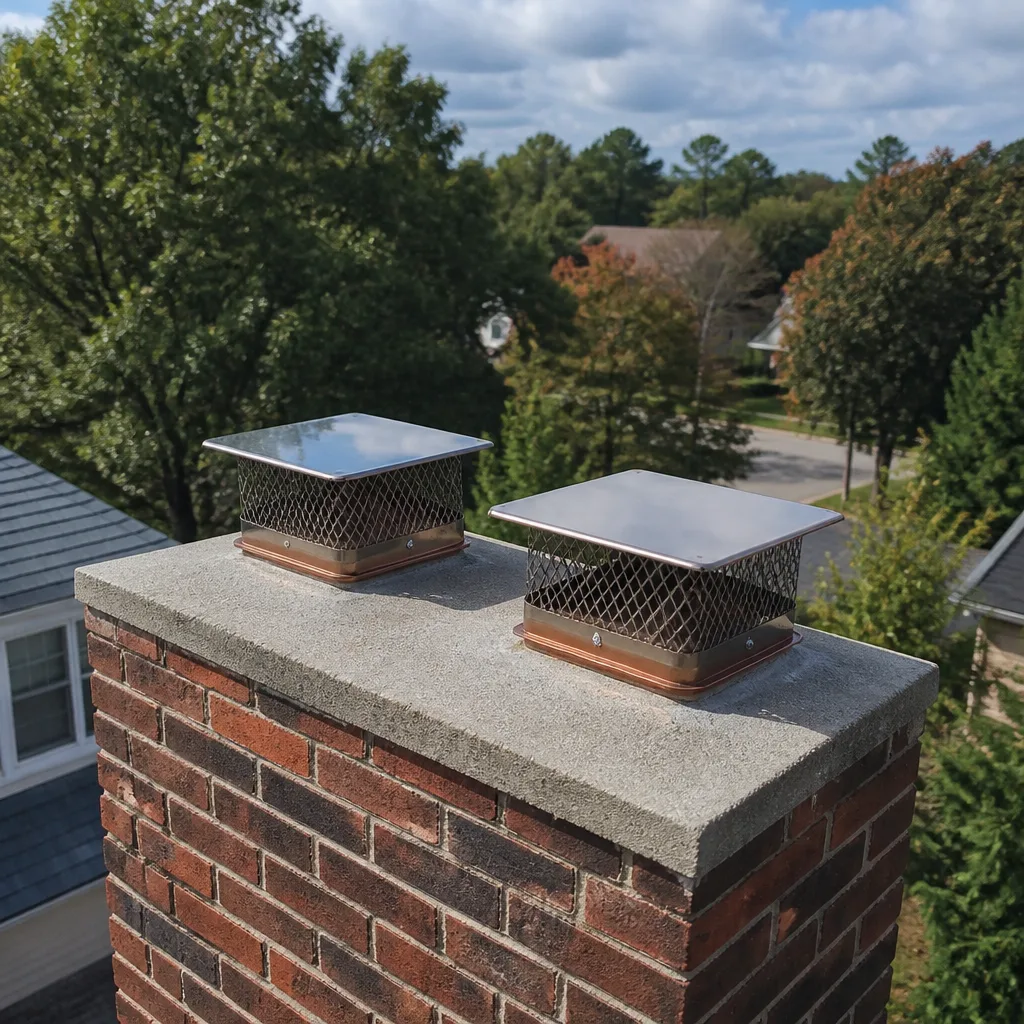 Sweep & inspection
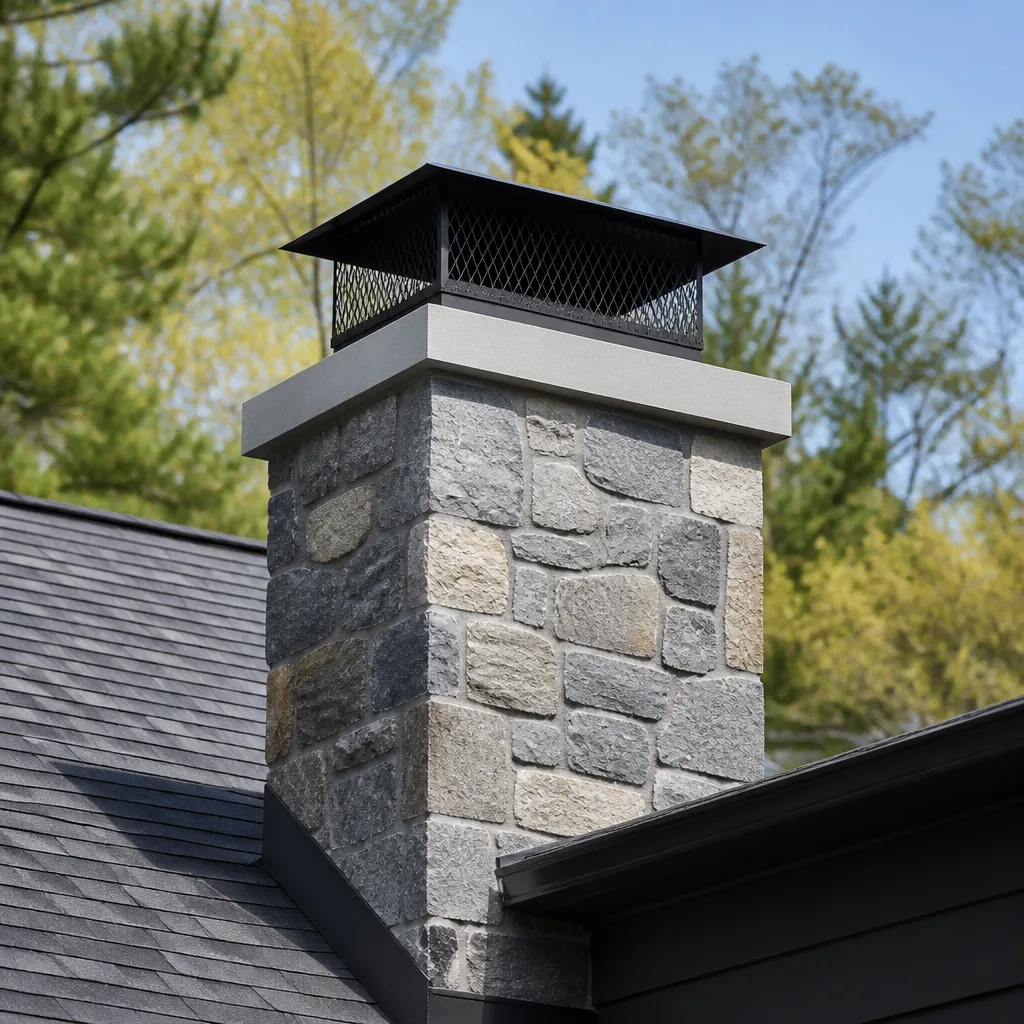 Caps & crowns
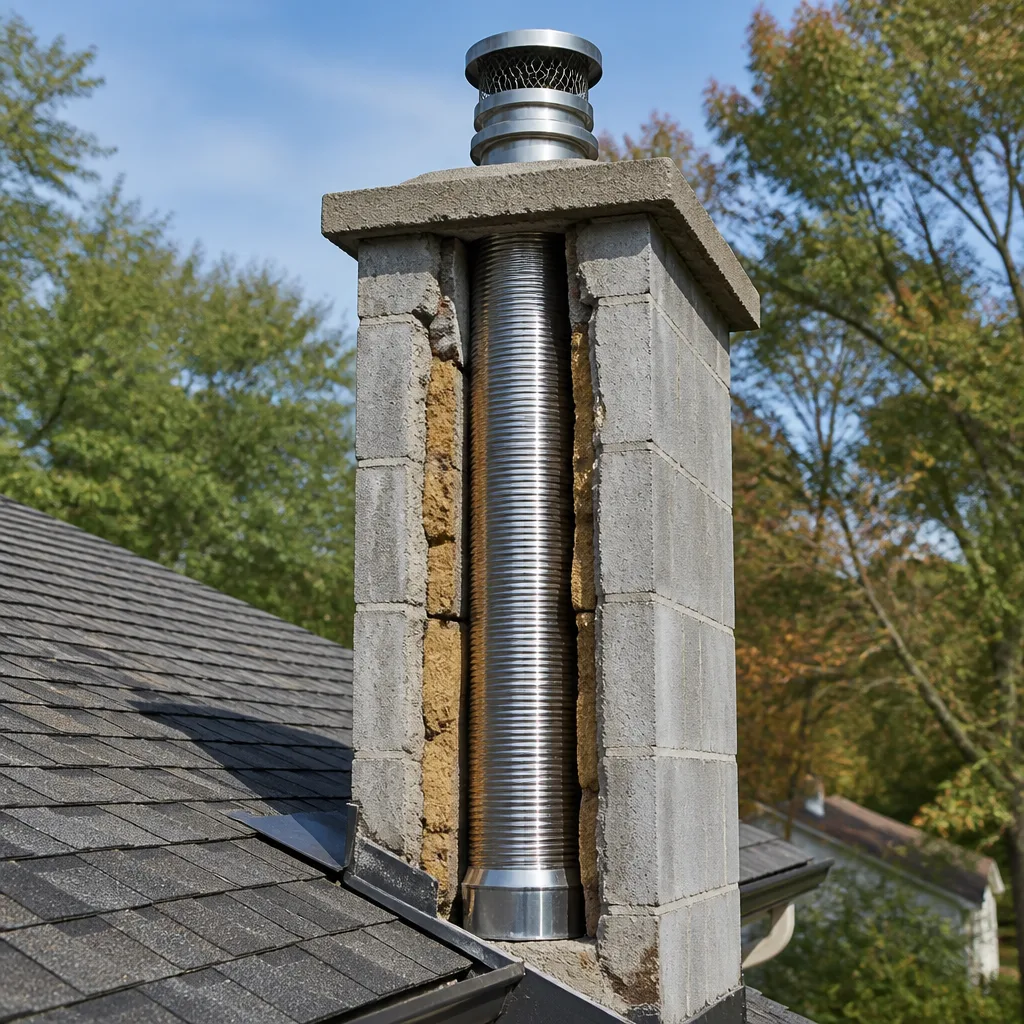 Flue relining
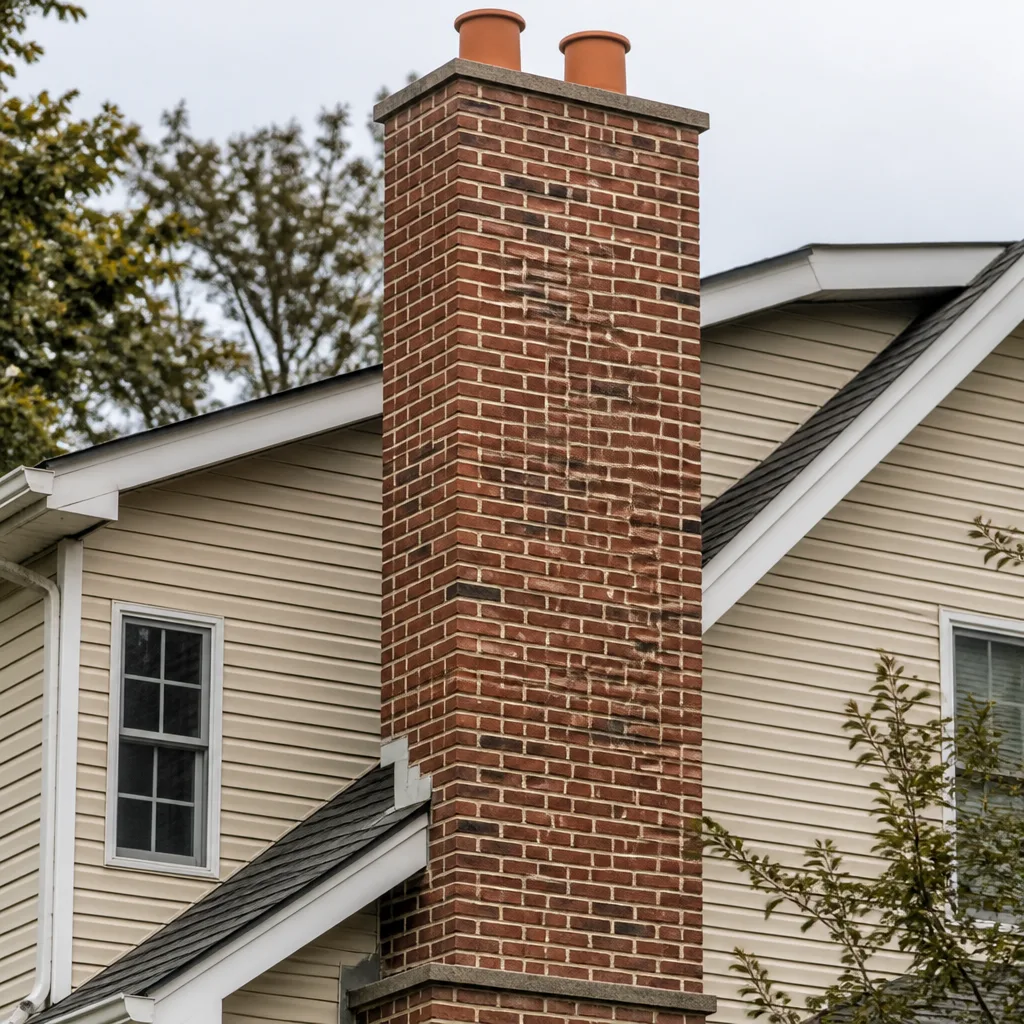 Masonry repair
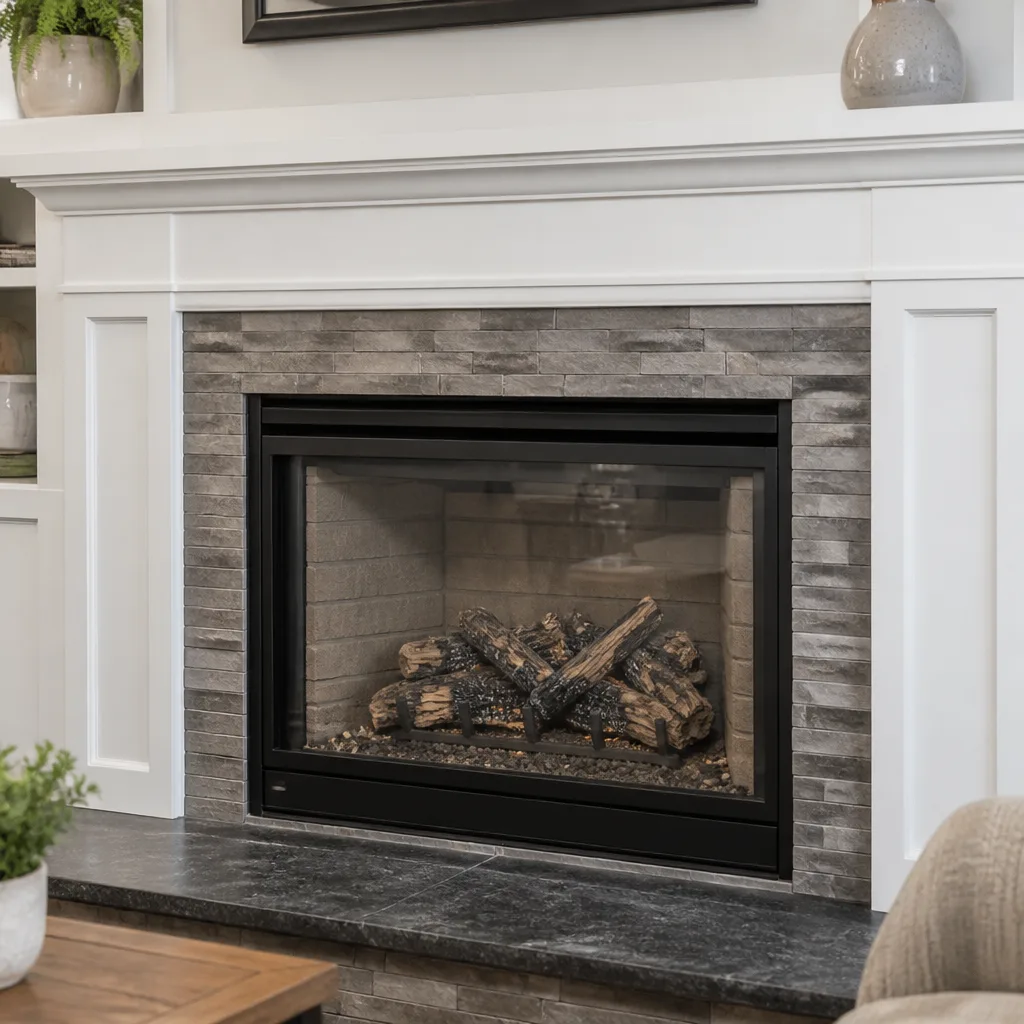 Gas fireplace service
Level 1 sweep and inspection to the NFPA 211 annual standard - flue, crown, cap, and flashing checked and photographed
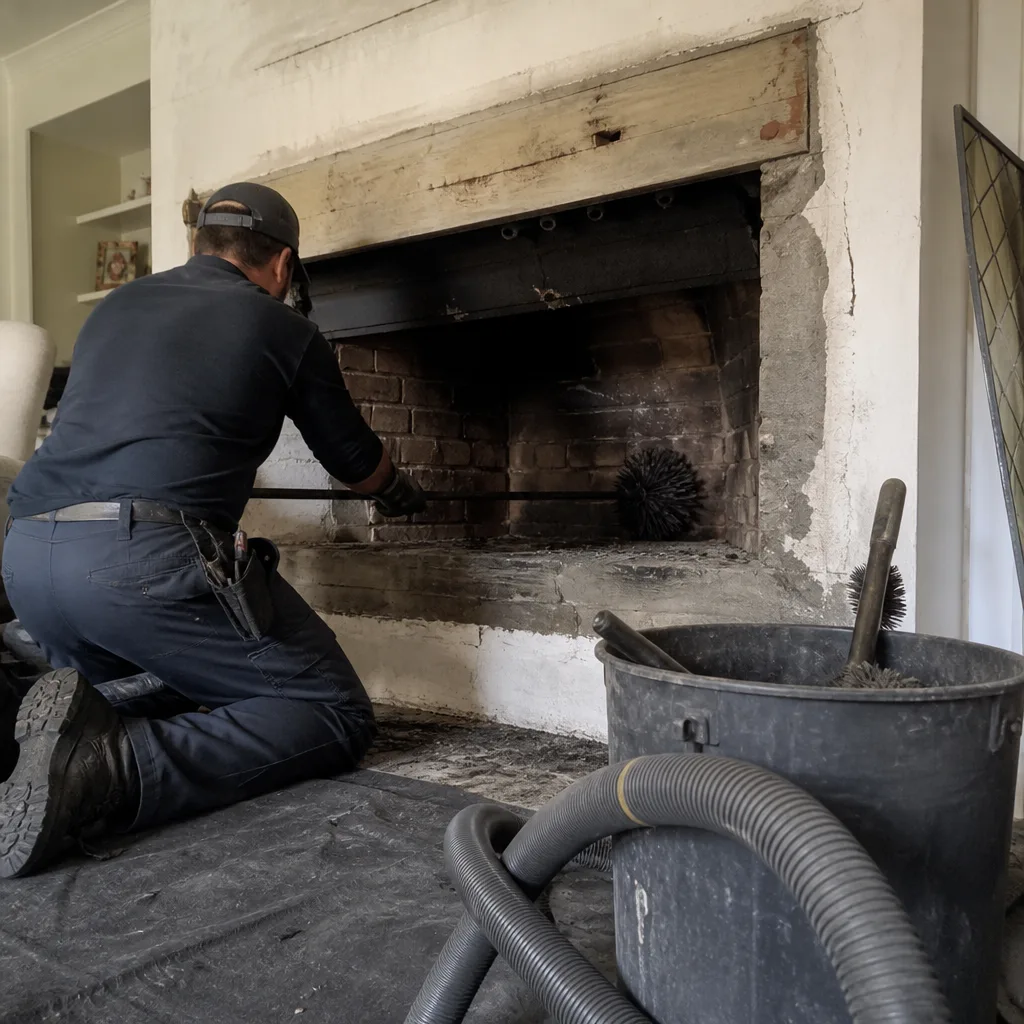
Chimney sweep logs do not sweep chimneys. They loosen some creosote - which then falls where a brush and vacuum still have to collect it.
Seasonal Chimney Cleaning Care for Pasadena: Year-Round Homeowner’s Guide
The standard advice is to clean your chimney every fall before you use the fireplace. In Pasadena, that schedule misses the two months when chimney risk actually peaks: October and November, when Santa Ana winds load cap screens with debris and drive downdraft pressure through every flue in the San Gabriel Valley. This guide maps chimney care to Pasadena’s real climate calendar, covering what needs attention month by month, what each task should cost in this market, and why a fireplace that gets used three times a winter still needs a yearly sweep. You’ll find specific numbers, local risk patterns, and a maintenance schedule that works for a Mediterranean climate where the chimney is dormant more than it is active.
Styles & brands we work with
Quick Answer
A standard chimney sweep in Pasadena typically runs $189 to $329 and should be scheduled once a year, regardless of how often you use the fireplace. The best window for most Pasadena homes is late September before Santa Ana season starts, but post-wildfire smoke events and spring eucalyptus debris can make a second inspection necessary. One annual visit that includes a sweep, Level 1 inspection, and cap check covers all four seasons in this climate.
Table of Contents
- Why Pasadena’s Climate Breaks the Standard Chimney Calendar
- A Month-by-Month Pasadena Chimney Calendar
- Why Infrequent Fires Create More Creosote, Not Less
- What to Do After a Nearby Wildfire: Smoke, Ash, and Cap Screens
- Spring Tasks Specific to Pasadena: Eucalyptus, Mortar, and Dampers
- The Single Annual Visit That Covers All Four Seasons
- What Chimney Work Costs in Pasadena: A Straightforward Breakdown
- Common Mistakes to Avoid
- When to Call a Professional
- Frequently Asked Questions
- The Bottom Line
Why Pasadena’s Climate Breaks the Standard Chimney Calendar
Most chimney advice written for a national audience assumes a northern climate: long heating seasons, daily fires from November through March, heavy creosote buildup, freeze-thaw damage to masonry. Pasadena gets none of that. Our heating season runs roughly six to eight weeks, fires are occasional rather than daily, and the chimney spends most of the year sitting idle. The problems here are different, and they cluster around two local weather patterns that national guides never mention.
First, Santa Ana winds. Between October and March, high-pressure systems over the Great Basin push dry air down through the Cajon and San Gabriel passes. In Pasadena neighborhoods like Linda Vista, Altadena’s foothill streets, and the San Rafael Hills, these winds routinely hit 40 to 60 miles per hour. A chimney cap that would stay clear on a calm day gets loaded with sycamore leaves, pine needles, and dust pushed sideways by the gusts. More importantly, Santa Ana winds create negative pressure at the chimney top. The flue acts like a straw, and the wind pulls air up and out of the house. If your damper is worn or warped, you’ll feel cold air pouring down into the living room even with the fireplace closed, and any creosote inside the flue gets a steady supply of oxygen, which is not what you want sitting there before your first fire.
Second, wildfire smoke. Pasadena sits downwind of the Angeles National Forest and the San Gabriel Mountains. During fire season, ambient smoke settles over the city for days or weeks. That smoke does not just drift past your roof. It gets drawn into the chimney cavity, deposits fine ash on cap screens, and leaves a film of particulates inside the flue. If you light a fire after a smoky season without having the chimney looked at, you’re burning through accumulated residue. A Level 1 Chimney Inspection in Pasadena after any significant smoke event costs less than the repairs that come from ignoring it.
Between those two forces, Pasadena chimneys accumulate debris and residue on a schedule that has nothing to do with how many fires you burn. That’s why a seasonal calendar built for this city looks different from the one in a national magazine.
A Month-by-Month Pasadena Chimney Calendar
Here is the schedule we recommend to homeowners in Pasadena, mapped to actual local conditions rather than generic seasonal advice. It assumes a wood-burning fireplace that gets occasional use between December and February, which describes most homes in this market.
January to February: Active Use Window
These are the months when Pasadena fireplaces actually get used. Nighttime temperatures drop into the 40s, and a fire becomes a practical source of warmth rather than atmosphere. During this window, burn seasoned hardwoods only. Oak and almond are common in this area and burn cleaner than softwoods. Watch for these warning signs: smoke entering the room instead of drawing up the flue, a fire that struggles to establish a draft, or unusual amounts of soot settling on the mantel. Any of those means the flue is not drawing correctly, and the fire should be extinguished until the cause is identified.
March: Post-Season Assessment
The rainy season in Pasadena typically ends in March or April. This is when water damage shows up. Check the ceiling around the chimney chase for water stains, look for efflorescence (white mineral deposits) on exterior brick, and tap the damper handle to confirm it’s closing fully. If the damper sticks or doesn’t seat, heat escapes year-round and moisture gets in. The damper is also the most common place for rust to develop after a damp winter.
April to May: Eucalyptus and Mortar Season
Pasadena’s older neighborhoods, from Bungalow Heaven to the streets around Victory Park, are lined with eucalyptus trees. In spring, eucalyptus releases large volumes of seed pods and bark strips. These are aerodynamic enough to travel blocks on a breeze, and they love chimney caps. The pods wedge into cap screens and restrict airflow. Mortar joints also need attention in spring: winter rain penetrates brick, and when the weather dries, any cracked mortar has opened further. A quick visual check from the ground (or a phone camera on a pole) will tell you if the cap needs cleaning or the crown needs sealing. More on this in the spring tasks section below.
June to August: Wildfire Smoke Intrusion
Fire season in the Angeles National Forest peaks in late summer. Even if a fire is twenty miles away, smoke reaches Pasadena when the wind direction is right. The chimney acts as a passive air intake, and fine ash settles inside the flue and on the cap screen. If a fire burns within ten miles of the city, a visual inspection of the cap is warranted. If smoke settled over your neighborhood for more than a couple of days, plan a sweep before the next burn season. This is the single most overlooked trigger for chimney maintenance in this market, mostly because nothing visible goes wrong until the first fire of winter.
September: The Ideal Sweep Window
Late September is the sweet spot for a Chimney Sweep in Pasadena. Santa Ana season has not started, fire season is winding down, and the temperature is mild enough that nobody’s in a hurry. A sweep done in September catches everything that accumulated since the previous winter: creosote from last season’s fires, eucalyptus debris from spring, and ash from summer smoke. The flue is clean and ready before the fall winds start.
October to November: Santa Ana Season
These are the highest-risk months for Pasadena chimneys, and the reason most people get the seasonal timing backwards. Santa Ana winds load caps with debris and create downdraft pressure even when the fireplace is not in use. After a serious wind event, walk outside and look at the cap. If you can see debris accumulation from the ground, the screen needs cleaning. If you hear wind howling through the flue inside the house, the damper may not be sealing. Both issues are cheap fixes if caught early and expensive if ignored through the winter.
December: First-Use Readiness
December is Pasadena’s actual first-use month for most fireplaces. Before lighting the first fire of the season, confirm three things: the flue is free of debris, the damper opens and closes fully, and the cap screen is clear. If you did the September sweep, this takes five minutes. If you skipped it, you’re lighting a fire under a flue that has accumulated everything the previous eleven months deposited. That first fire is the most common trigger for chimney fires, which is backwards from how most people think about it, because the buildup ignites when the flue gets hot for the first time in a year.
Why Infrequent Fires Create More Creosote, Not Less
Most Pasadena homeowners assume that a fireplace used ten times a winter doesn’t need yearly cleaning. The assumption seems logical: less use equals less buildup. The chemistry works the other way.
Creosote forms when wood smoke condenses on a flue wall that is cooler than the smoke itself. In a chimney that gets daily fires through a long winter, the flue reaches and holds a high temperature. That steady heat pushes more of the combustion byproducts up and out before they condense. In a Pasadena fireplace that burns one fire every two or three weeks, the flue never gets hot enough to clear itself. Each fire starts with a cold flue, produces smoke that cools quickly against the masonry, and leaves a condensed layer. The next fire three weeks later bakes that layer into a harder, more concentrated deposit, then adds another.
We see this pattern regularly in homes across Pasadena, from the condos near Old Town to the hillside houses off Linda Vista Avenue. A fireplace that gets occasional use can accumulate a glaze of stage-two creosote faster than a heavily used chimney in a colder climate, because every single fire is an incomplete-combustion event from the chimney’s perspective. This is also why “I only use it a few times a year” is the most dangerous reason people give for skipping a sweep.
The fix is not more fires. It’s annual cleaning, regardless of use. A standard sweep removes the condensed layer before it concentrates, which is a $189 to $329 service call in this market rather than a $1,500-plus glazed creosote removal or a liner replacement that costs substantially more.
What to Do After a Nearby Wildfire: Smoke, Ash, and Cap Screens
Pasadena sits on the edge of wildfire country. When the Station Fire burned the San Gabriel front in 2009, smoke settled over the city for weeks. More recent fires in the Angeles National Forest, the foothills above Altadena and Sierra Madre, and the Bobcat burn area have done the same. Every one of those events leaves residue in chimneys across the city, even in homes miles from the burn perimeter.
Ambient wildfire smoke works its way into the chimney cavity through the cap. Fine particulate matter settles on the cap screen first, accumulating until airflow is restricted. Then it moves into the flue, where it coats the interior walls with a layer that is not creosote but behaves like it: it is combustible, it is acidic, and it bonds to existing creosote deposits. If the house has a masonry chimney with any cracks in the mortar joints, smoke wicks into those cracks and accelerates deterioration.
Here is the aftercare sequence we recommend after any significant smoke event in the Pasadena area:
- Visual cap check. From the ground, look for obvious ash accumulation on the cap screen. If the screen looks gray or clogged, plan to have it cleaned professionally. Chimney work on the roof is not a ladder-and-garden-hose job.
- Interior smell test. If you smell smoke inside the house when no fire is burning, the chimney is drawing contaminated air down into the living space. That means the damper or the cap needs attention.
- Schedule a Level 1 inspection. After prolonged smoke exposure, a camera inspection is the only way to see what’s in the flue. A Level 1 chimney inspection in Pasadena runs $129 to $229 and tells you whether the flue is safe to use.
- Clean before the season. If the inspection shows significant ash accumulation or compromised mortar, a sweep clears the flue and resets it to baseline.
One thing to be clear about: wildfire smoke does not typically require a new liner. It requires cleaning and assessment. A reputable company will show you camera footage of the flue before recommending any repair. If a chimney company tells you a smoke event justifies a liner replacement without showing you the camera evidence, get a second opinion.
Spring Tasks Specific to Pasadena: Eucalyptus, Mortar, and Dampers
Spring is when Pasadena chimneys reveal what winter did to them. The rainy season has ended, the air is dry, and problems that were hidden by moisture become visible. Three spring tasks matter most in this market.
Eucalyptus Seed Pod Accumulation
Pasadena’s street canopy is dominated by eucalyptus. The trees shed year-round, but spring is the heavy season for seed pods, bark strips, and small branches. These travel surprisingly far on wind and collect in chimney caps. A cap screen clogged with eucalyptus debris restricts airflow, which makes future fires burn poorly and smoke back into the room. It also traps moisture against the cap, accelerating rust. This is the most common spring chimney issue we see across Pasadena, and it’s a ten-minute fix when caught early.
Mortar Joint Inspection After the Rainy Season
Winter rain in Pasadena is gentle compared to northern storms, but over years it works into the porous surface of chimney brick. When mortar joints crack, water gets inside, and the expansion and contraction of our hot, dry summers widens those cracks further. Check the exterior chimney in April or May: look for missing mortar between bricks, flaking brick faces, and white mineral staining. These are early indicators of structural water damage. Repointing (replacing damaged mortar) is preventative work that costs far less than rebuilding a chimney crown or repairing water-damaged interior framing.
Damper Seat Condition After Prolonged Non-Use
The damper spends the off-season closed, sitting in the chimney throat. In Pasadena’s dry air, older cast-iron dampers warp and rust. A damper that doesn’t seal fully lets conditioned air escape year-round and lets outside air enter in winter. Test it in spring by opening and closing it fully. If the handle binds, the plate wobbles, or you can see daylight around the edges when it’s closed, the damper needs replacement. This is a routine repair, and a new damper will pay for itself in energy savings within a season or two.
The Single Annual Visit That Covers All Four Seasons
Most Pasadena homeowners only need one professional chimney visit per year, if it’s the right visit. Here’s what that visit should include, and what permits and codes may apply in California, plus what it should cost.
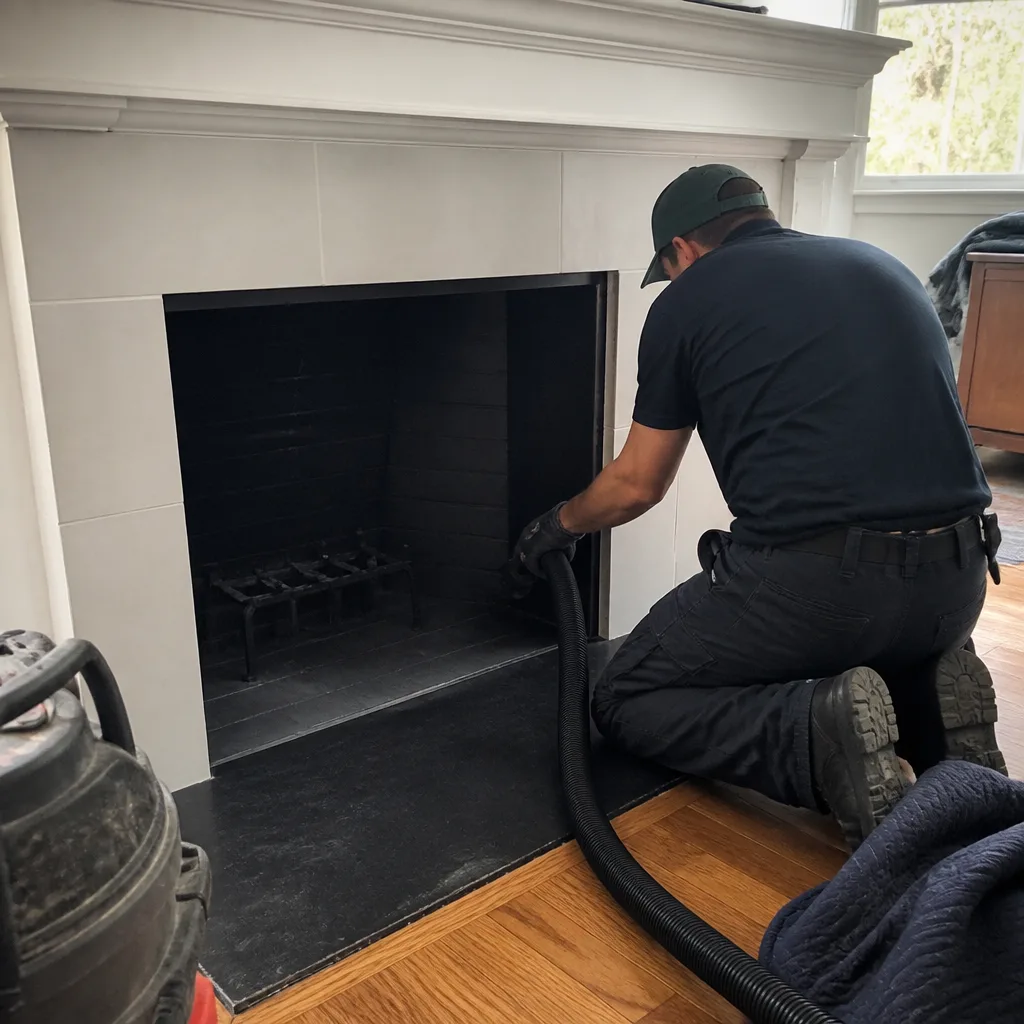
A comprehensive annual chimney service combines three things: a standard sweep, a Level 1 inspection, and a cap and crown check. The sweep removes creosote, ash, and debris from the flue. The Level 1 inspection examines the accessible portions of the chimney interior and exterior for damage, using a camera when needed. The cap and crown check confirms the screen is clear, the crown is shedding water correctly, and the damper seats fully.
In Pasadena’s market, this combined service runs $189 to $349 depending on chimney height, flue size, and accessibility. That is the single most cost-effective maintenance you can do for a fireplace, because it catches every seasonal issue this guide has covered: eucalyptus in the cap, creosote from low-use fires, ash from smoke season, and minor mortar damage before it becomes structural.
When we perform this service at Flint Chimney Co Pasadena, the process follows a set sequence. The tools come off the truck only after the written price is approved. The sweep is done with professional-grade equipment sized to the flue, not a wire brush from a hardware store. The inspection findings are documented in writing, with photos when damage is found. And every repair, if any is needed, carries a written one-year guarantee under what we call The Garrison Standard: a fixed price, a fixed scope, and a documented commitment to return at no charge if the repair fails within 365 days.
That is what a single annual visit should deliver. If a company cannot tell you the price before starting, or won’t put the guarantee in writing, that’s the wrong company, regardless of what they charge.
What Chimney Work Costs in Pasadena: A Straightforward Breakdown
Knowing the ballpark before you call is a right, not a favor. Here’s what we charge in Pasadena, and what we see competitors charging across the San Gabriel Valley. These are the prices we publish because the customer should know them before the phone rings.
- Standard chimney sweep: $189 to $249 for a single-story interior fireplace with a standard flue. Second-story access or steep-pitch roofs add $50 to $100.
- Level 1 inspection: $129 to $229 as a standalone service, often discounted when bundled with a sweep.
- Combined sweep and Level 1 inspection: $249 to $349 for the standard Pasadena home. This is the service most people need once a year.
- Level 2 camera inspection: $300 to $500, typically recommended after a chimney fire, before buying a home, or when a Level 1 inspection finds something that needs a closer look.
- Chimney cap replacement: $250 to $700 installed, depending on cap material and flue size.
- Damper replacement: $300 to $600 installed, depending on the existing damper type and chimney construction.
- Chimney crown repair or rebuild: $500 to $1,800 depending on the extent of damage.
- Flue relining: $2,500 to $5,000 for a stainless steel liner, using brands like DuraFlex or HeatShield that are specified by flue dimensions, not by what’s in stock on the truck. This is a major repair, and the decision to recommend it should always be supported by camera evidence the homeowner can see.
Any quote you receive should be in writing before work starts. If the number changes after the work begins, that’s a red flag. Our firm policy at Flint Chimney Co Pasadena is that the written number is the invoice number, with no exceptions.
Common Mistakes to Avoid
- Skipping the sweep because “we barely use the fireplace.” As covered above, infrequent fires concentrate creosote faster than regular use. Low use is a reason to be careful, not comfortable.
- Assuming wildfire smoke doesn’t affect the chimney. Ambient smoke settles in the flue and on the cap. If smoke sat over your Pasadena neighborhood, the chimney needs a look, even if the fire was miles away.
- Checking the cap only when you use the fireplace. Santa Ana season is the most common time for cap damage in Pasadena, and it happens whether or not you burn. Check the cap after wind events.
- Ignoring eucalyptus debris. The trees that make Pasadena beautiful are also the main source of cap screen clogs. Spring debris accumulates faster than most homeowners expect.
- Trusting a quote given over the phone without an inspection. A real price requires seeing the chimney. Any company that quotes a repair without a camera inspection is guessing, and you’ll find out the real number after they start.
- Waiting until December to schedule. The industry gets backed up before the holidays. A September sweep avoids the rush and gets the chimney ready before Santa Ana season, not after.
- Accepting a repair recommendation without seeing evidence. No one should replace a liner on someone’s word. Camera footage is standard practice now, and any legitimate company will show it to you.
When to Call a Professional
Some chimney maintenance is doable as a homeowner, but the moment safety is involved, the calculation changes. A standard sweep requires working from the roof, which means ladder work on a pitched surface and heights that have no room for error. Chimney fires, carbon monoxide issues, and structural damage are not DIY territory under any circumstances.
Call a professional when you see any of these: smoke entering the room during a fire, a strong smoke smell when no fire is burning, visible cracks in the chimney crown or mortar joints, water stains on the ceiling around the chimney, debris visible in the cap from the ground, or any sign of a past chimney fire (puffy or honeycombed creosote, damaged flue tiles, warped metal components). We also recommend a professional inspection whenever you buy a new home with a fireplace, after any nearby wildfire, and at least once per year as routine maintenance.
Flint Chimney Co Pasadena offers free estimates in Pasadena and throughout the San Gabriel Valley. Call (626) 657-5513 and a live person will answer, day or night.
Frequently Asked Questions
A standard chimney sweep in Pasadena runs $189 to $249 for a typical single-story home, with a combined sweep and Level 1 inspection at $249 to $349. Taller chimneys, steep roof pitches, and second-story access add to the price, and you should always get the final number in writing before work begins. Call (626) 657-5513 for an exact quote, free of charge.
Once a year, every year, regardless of fireplace use. Pasadena’s climate creates creosote and debris accumulation through several mechanisms, from Santa Ana debris loading to wildfire smoke residue, and an annual sweep is the cheapest way to stay ahead of all of them.
Not on their word alone. A legitimate liner recommendation is supported by camera footage showing cracks, gaps, or deterioration in the existing flue. If a company refuses to show you video evidence of the damage, get a second opinion. Flue relining costs $2,500 to $5,000 in this market, and that’s a decision you should make with your own eyes.
Creosote accumulates and concentrates with each fire, eventually reaching a stage where it can ignite inside the flue. A chimney fire can damage the liner, crack mortar, and spread to the roof structure. The repair cost after a chimney fire is several times the cost of the sweeps you skipped.
Yes. Ambient smoke contains fine particulate matter that settles into the chimney cavity and on the cap screen, even when the fire is not a direct threat. If smoke settled over Pasadena for more than a day or two, a cap check and possible sweep are warranted before the next burn season.
Yes, in how it accumulates debris. A cold-climate chimney accumulates creosote from frequent, long fires. A Pasadena chimney accumulates creosote from infrequent, short fires, plus eucalyptus debris, Santa Ana wind debris, and wildfire smoke residue. The cleaning needs are similar; the seasonal timing is local. Call (626) 657-5513 to schedule a sweep designed for this climate.
The Bottom Line
Pasadena’s chimney risk calendar is not the one in national magazines. Santa Ana winds load caps and drive downdrafts in October and November. Wildfire smoke settles in flues during August and September. Eucalyptus pods clog screens in April and May. Infrequent fireplace use creates more concentrated creosote than regular use in colder climates. One annual visit, scheduled in September, catches every one of those seasonal risks before they compound. A standard sweep and Level 1 inspection in Pasadena costs $249 to $349, and every repair from Flint Chimney Co Pasadena carries a written one-year guarantee under The Garrison Standard. For more guides & resources on keeping your chimney safe year-round, see our blog. If it’s not done right, we make it right. That’s the promise, in writing, before the first tool comes off the truck.
Written by Hank Delano, Owner at Flint Chimney Co Pasadena, serving Pasadena since 2002.
See the difference
 Before
 After
After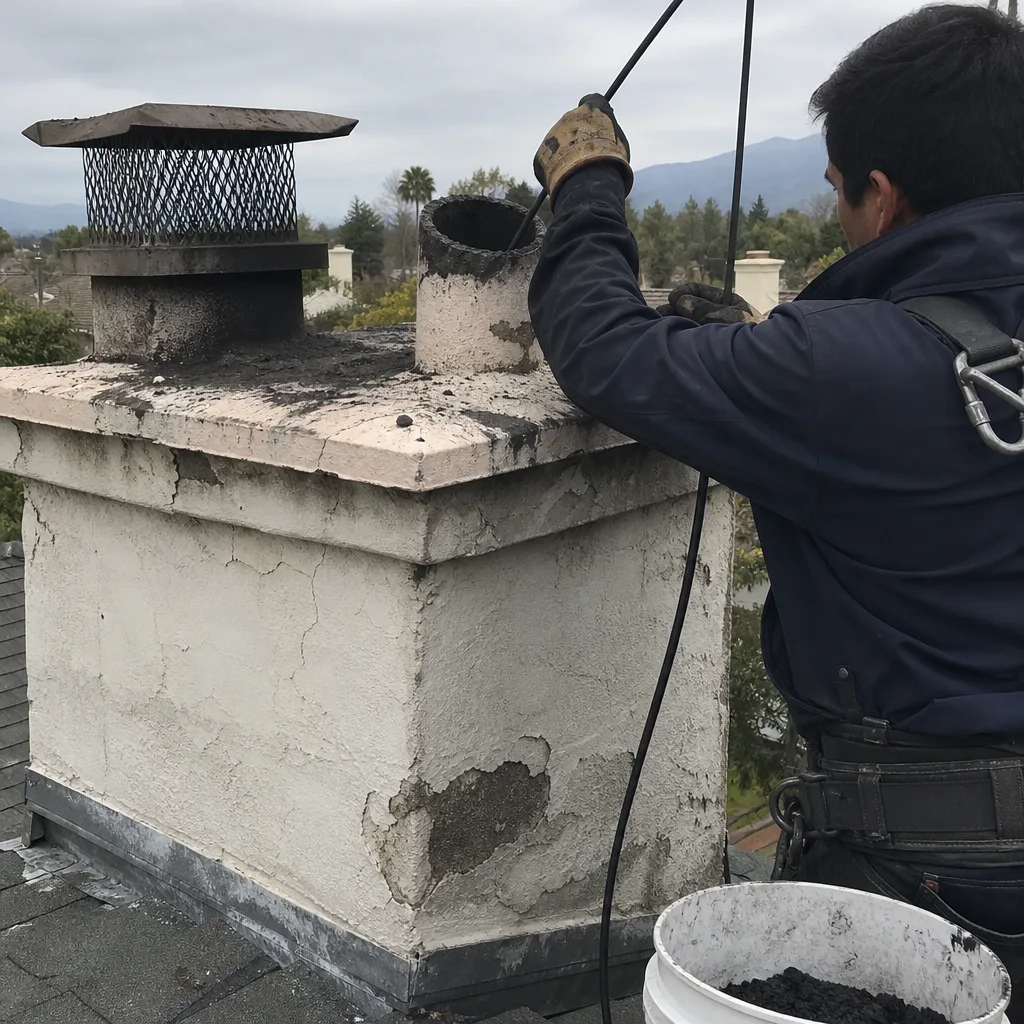 Before
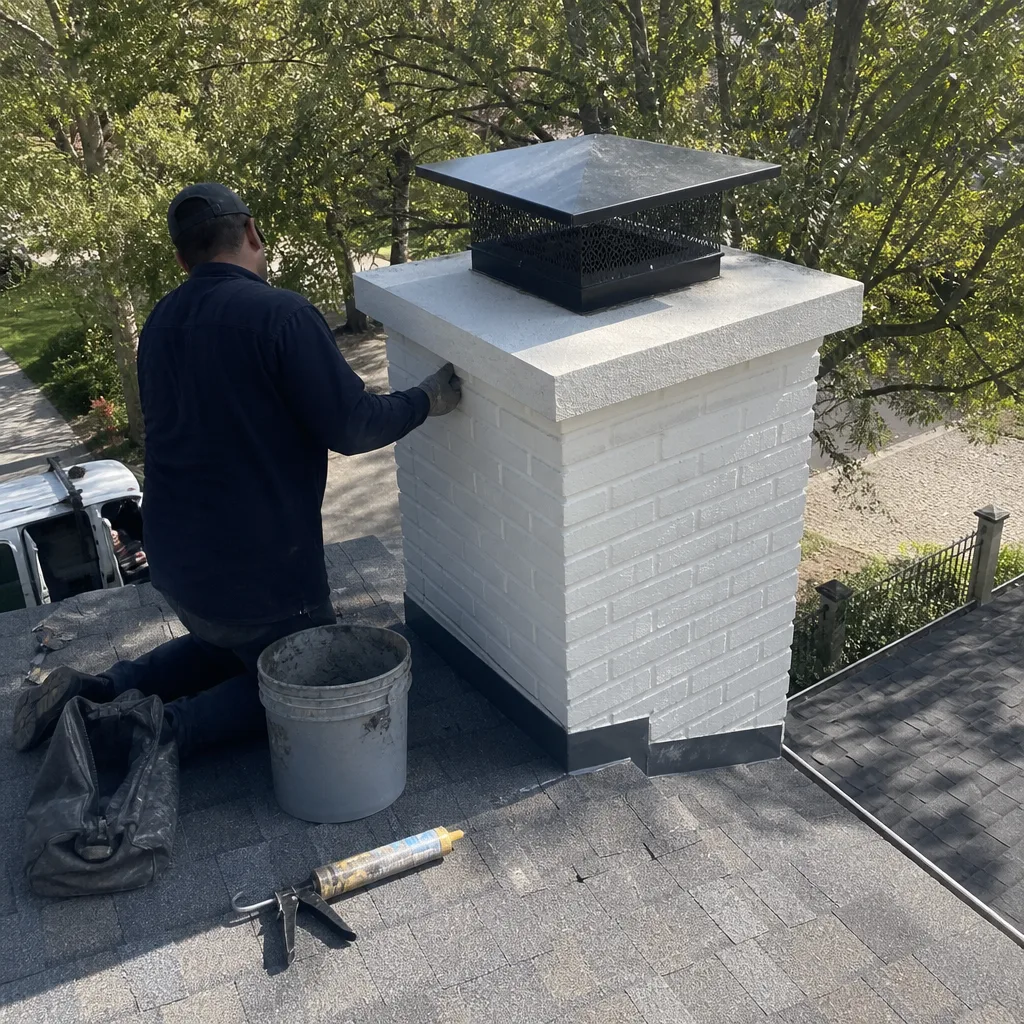 After
After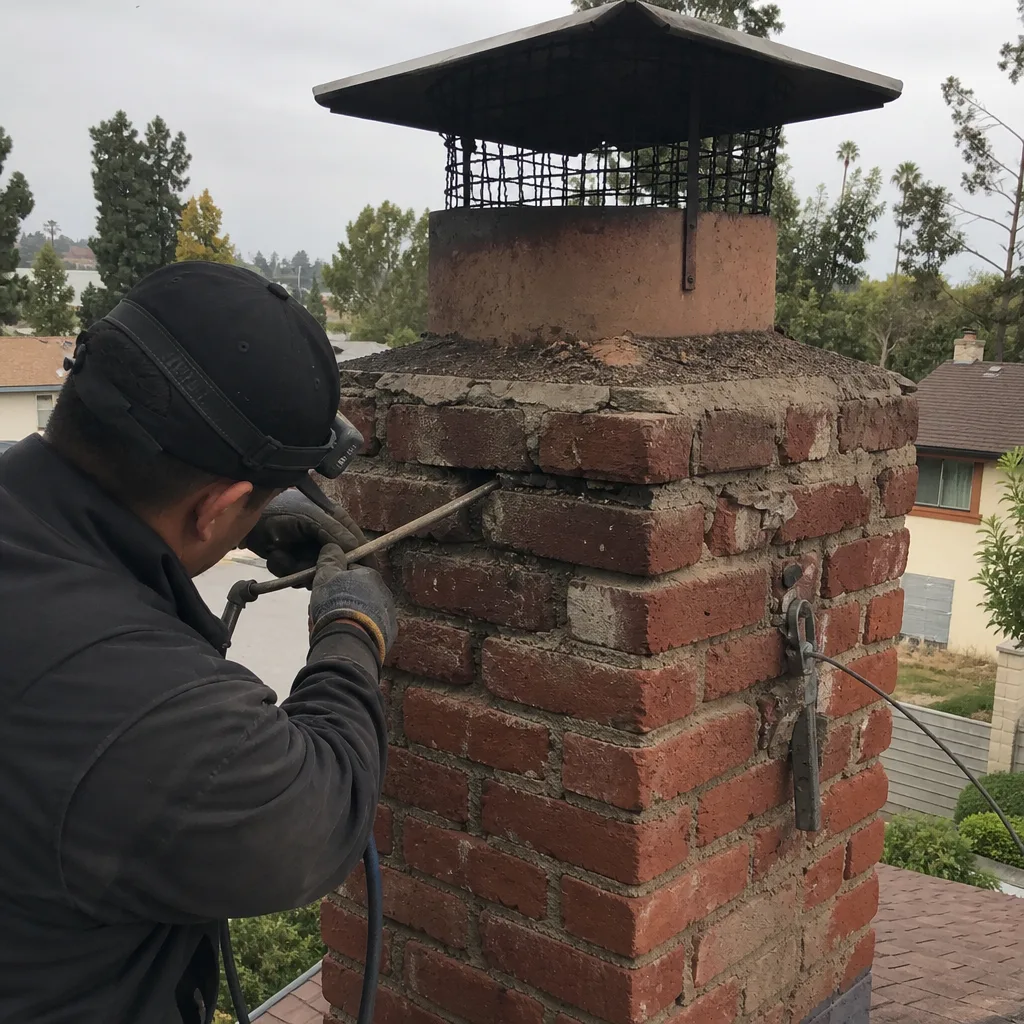 Before
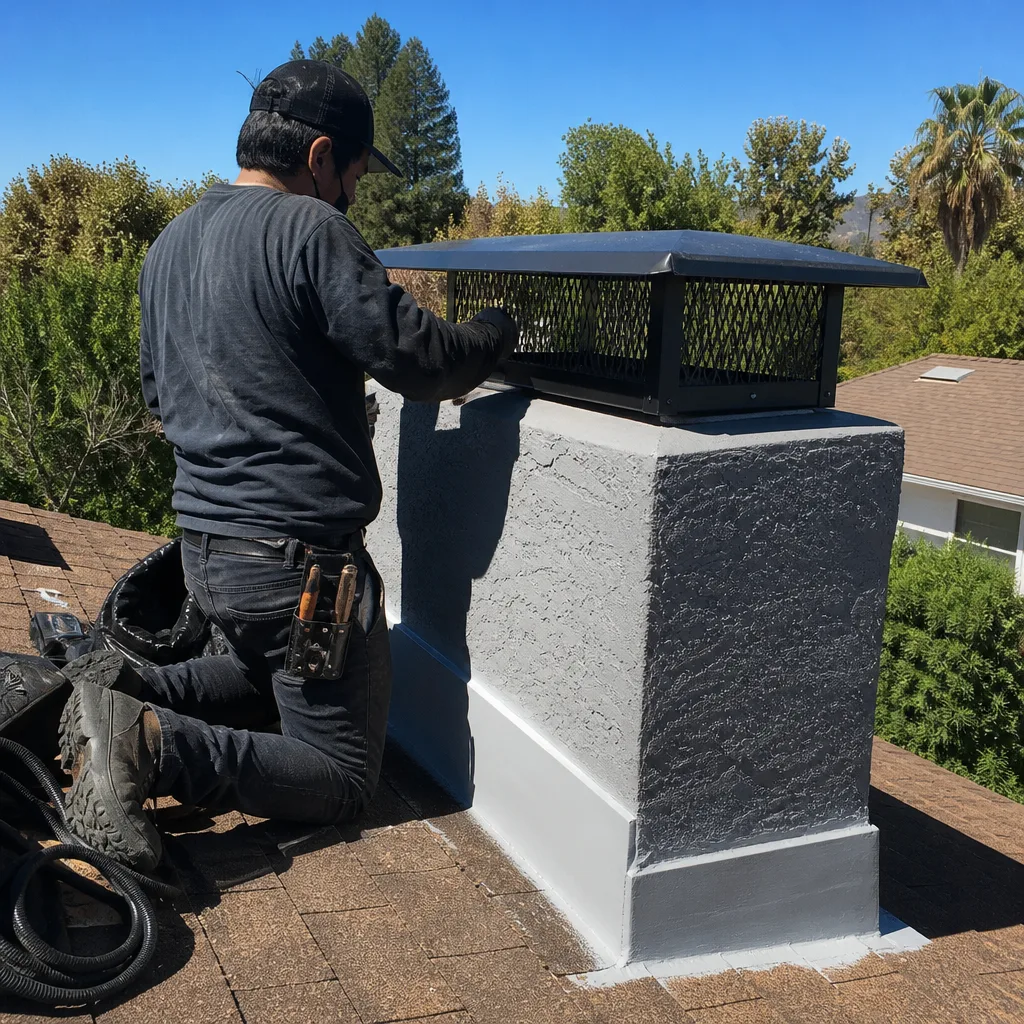 After
After